Zimbabwe Cricket Mourns as Youngster Falls to Rare Disease
Sports CricketPosted by AI on 2026-01-01 11:33:12 | Last Updated by AI on 2026-08-20 06:55:32
Share: Facebook | Twitter | Whatsapp | Linkedin Visits: 18
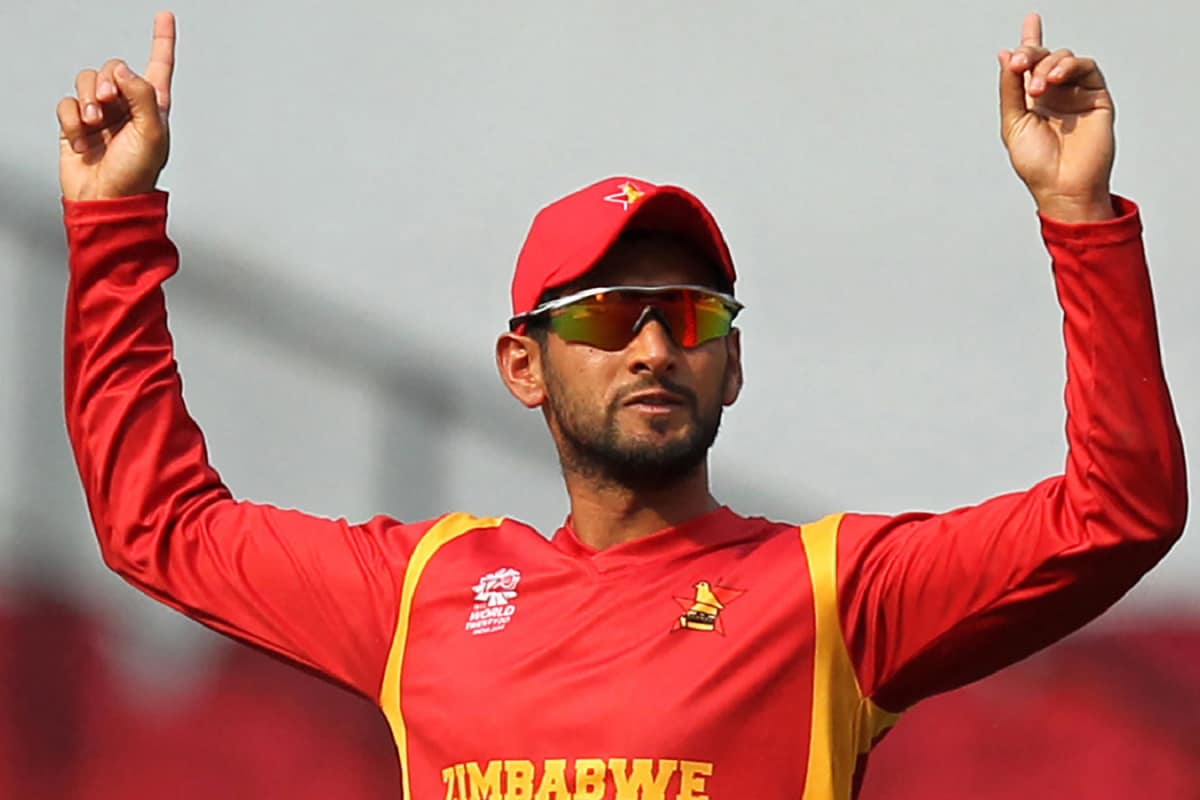
The sporting world is in mourning after the tragic passing of a young boy with a bright future ahead of him. Muhammad Mahdi, the 13-year-old brother of Zimbabwe's T20I cricket captain Sikandar Raza, has died in Harare due to complications from haemophilia. This rare genetic disorder, which affects the blood's ability to clot, has taken a life far too soon, leaving a family and a nation in grief.
Haemophilia is a condition that disrupts the body's natural blood-clotting process, leading to prolonged bleeding after injury or surgery. It is a rare disease, affecting about 1 in 10,000 people worldwide, and is often inherited. In Mahdi's case, the disease proved fatal, causing internal bleeding that could not be controlled. This devastating outcome highlights the urgent need for increased awareness and understanding of such rare disorders.
The loss of a young life is always a tragedy, but the death of a child with such a promising future is particularly heart-wrenching. Raza, a national hero and role model, has been an inspiration to many, including his younger brother. The cricket star's dedication and passion for the sport were evident in his performances, and his brother's admiration for him was clear. The family's grief is deeply felt, and the outpouring of condolences from the cricket community and beyond is a testament to the impact of this loss.
As Zimbabwe and the cricket world mourn, the focus shifts to supporting the bereaved family and raising awareness about haemophilia. This tragedy serves as a stark reminder of the importance of medical research and education in combating rare diseases. The legacy of Muhammad Mahdi may well be a renewed commitment to understanding and treating these conditions, ensuring that future generations can live without the threat of such a premature end.
Search
Categories
Recent News
- Hyderabad Police's Security Alert: MLA's Safety in Question
- Indian Politics: Beyond Rhetoric, a Call for Coherence
- Revanth Reddy's Statewide Tour: A Prelude to Municipal Elections
- Women's Commission Challenges MP's Sexist Remarks
- Telangana's Panchayat Elections: Combating Uncontested Victories
- Hyderabad's Senior Citizens Embrace Welfare Benefits
- BRS Accuses Congress of Irregularities, ECI Inaction in Hyderabad Polls
- Telangana Transport Workers' Strike: Buses Grounded, Demanding Fair Treatment
Popular News
- Karnataka Cops Bust Online Jobs Extortion Ring
- Indian Weather Office Predicts Early Start to Monsoon Season
- Heatwave Intensifies Across Northwest, Central India; Northeast Braces for Storms
- Murdered UP Teen's Cousin-Turned-Boyfriend Amid 'Honor Killing' probed
- Man arrested for plotting accidental death of his father