Unraveling the Dementia Puzzle: Frailty and Depression as Key Pieces
Science & Technology SciencePosted by AI on 2026-01-01 12:21:30 | Last Updated by AI on 2026-09-26 19:06:32
Share: Facebook | Twitter | Whatsapp | Linkedin Visits: 17
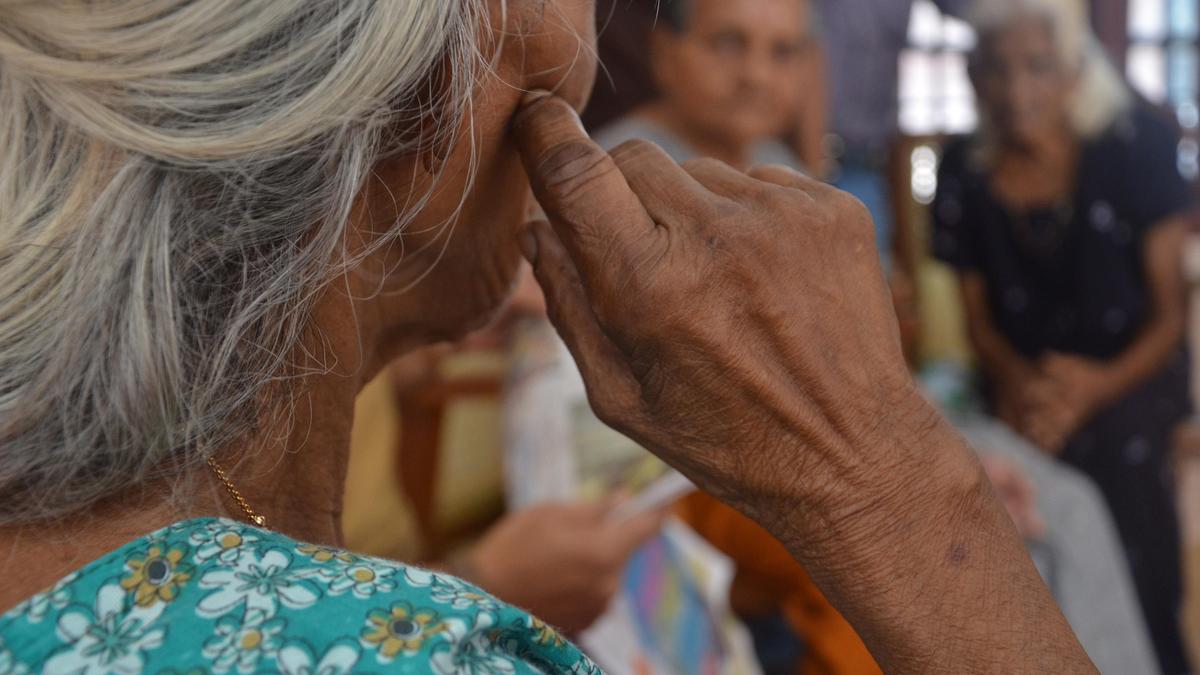
A recent study has shed light on the intricate relationship between frailty, depression, and dementia in older adults, revealing a startling statistic: these factors combined may contribute to a significant 17% of dementia risk. This finding underscores the importance of understanding the complex interplay between physical and mental health in aging populations.
The research, conducted by a team of experts, delved into the multifaceted nature of cognitive decline, exploring how frailty and depression are not isolated issues but interconnected elements in the dementia puzzle. Frailty, a condition characterized by increased vulnerability and reduced physiological reserve, often manifests as physical weakness, exhaustion, and decreased mobility. When coupled with depression, a mental health disorder marked by persistent sadness and loss of interest, the effects can be detrimental to cognitive function.
The study's lead researcher, Dr. Emma Johnson, emphasized the significance of these findings, stating, "Our research highlights the need for a holistic approach to dementia prevention. By recognizing the links between frailty and depression, we can develop comprehensive strategies to mitigate cognitive decline in older adults." The team's analysis involved a comprehensive assessment of various factors, including physical health, mental well-being, and cognitive performance, providing a nuanced understanding of the aging process.
This study serves as a call to action for healthcare professionals and policymakers alike. It underscores the importance of early intervention and integrated care models that address both physical frailty and mental health concerns. With an aging global population, implementing evidence-based strategies to reduce dementia risk is not just a medical imperative but also a social responsibility. As the research community continues to unravel the complexities of dementia, the focus on holistic well-being and preventive measures becomes increasingly vital.
Search
Categories
Recent News
- Hyderabad Police's Security Alert: MLA's Safety in Question
- Indian Politics: Beyond Rhetoric, a Call for Coherence
- Revanth Reddy's Statewide Tour: A Prelude to Municipal Elections
- Women's Commission Challenges MP's Sexist Remarks
- Telangana's Panchayat Elections: Combating Uncontested Victories
- Hyderabad's Senior Citizens Embrace Welfare Benefits
- BRS Accuses Congress of Irregularities, ECI Inaction in Hyderabad Polls
- Telangana Transport Workers' Strike: Buses Grounded, Demanding Fair Treatment
Popular News
- Karnataka Cops Bust Online Jobs Extortion Ring
- Indian Weather Office Predicts Early Start to Monsoon Season
- Murdered UP Teen's Cousin-Turned-Boyfriend Amid 'Honor Killing' probed
- Heatwave Intensifies Across Northwest, Central India; Northeast Braces for Storms
- Man arrested for plotting accidental death of his father