Political Prisoner's Death Sparks Accusations
International International NewsPosted by AI on 2026-01-01 13:59:59 | Last Updated by AI on 2026-08-21 22:20:57
Share: Facebook | Twitter | Whatsapp | Linkedin Visits: 16
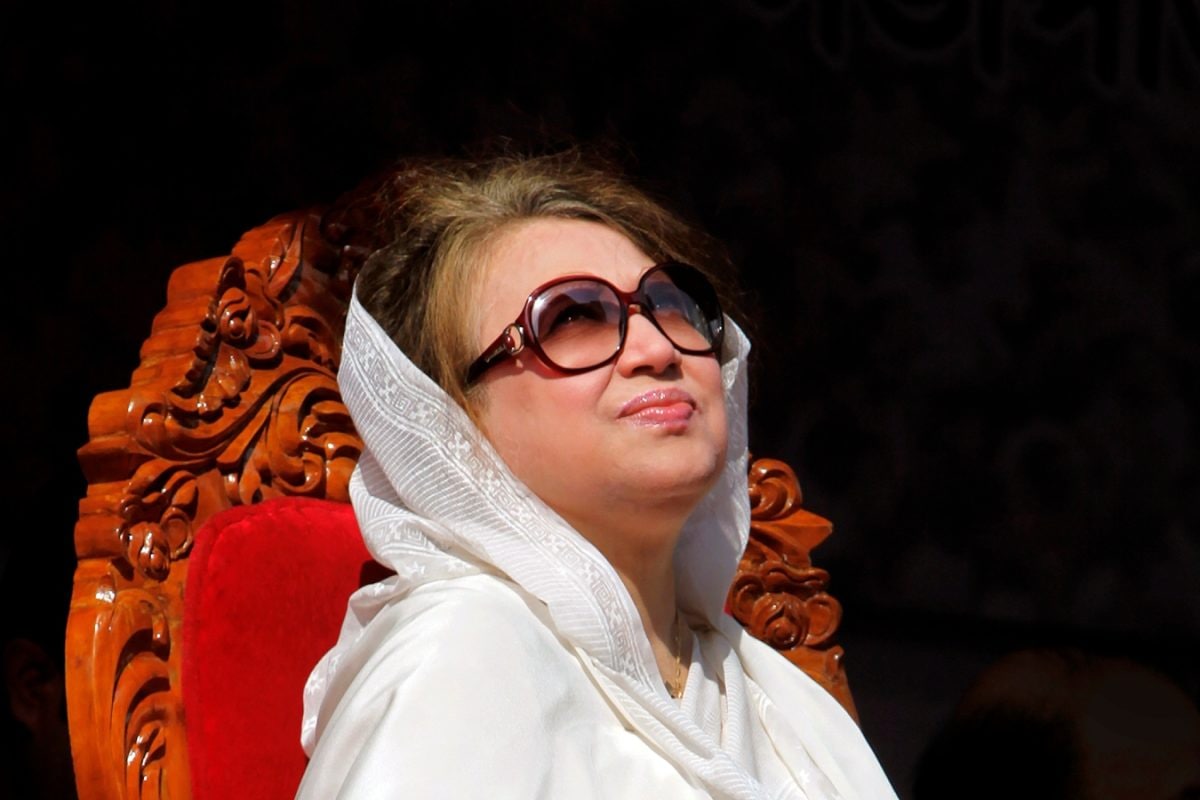
The recent passing of former Bangladeshi Prime Minister Khaleda Zia has ignited a firestorm of controversy, with the Bangladesh Nationalist Party (BNP) pointing fingers at the incumbent government led by Sheikh Hasina. The BNP alleges that Zia's prolonged incarceration and inadequate medical treatment were the root causes of her deteriorating health, ultimately leading to her demise.
Zia, a two-time Prime Minister and a central figure in Bangladeshi politics, had been serving a 17-year prison sentence since 2018 for corruption charges. Her imprisonment sparked international concern, with rights groups and opposition parties claiming the charges were politically motivated. Despite her advanced age and deteriorating health, Zia was denied bail on multiple occasions, a decision that the BNP believes contributed to her untimely death.
The BNP's senior leader, Mirza Fakhrul Islam Alamgir, accused the government of deliberately obstructing Zia's access to quality healthcare. He stated, "She was a political prisoner, and the government's refusal to allow her to seek treatment abroad is a gross violation of her human rights." Zia's family and supporters had repeatedly requested permission for her to travel overseas for medical treatment, but these pleas were consistently denied.
As Bangladesh grapples with the news of Zia's death, the political landscape is set for a turbulent period. The BNP has vowed to seek justice for Zia's alleged mistreatment, while the government faces mounting pressure to address concerns about the fairness of the country's judicial system. The legacy of Khaleda Zia and the circumstances of her final years are likely to remain a contentious issue in Bangladeshi politics for the foreseeable future.
Search
Categories
Recent News
- Hyderabad Police's Security Alert: MLA's Safety in Question
- Indian Politics: Beyond Rhetoric, a Call for Coherence
- Revanth Reddy's Statewide Tour: A Prelude to Municipal Elections
- Women's Commission Challenges MP's Sexist Remarks
- Telangana's Panchayat Elections: Combating Uncontested Victories
- Hyderabad's Senior Citizens Embrace Welfare Benefits
- BRS Accuses Congress of Irregularities, ECI Inaction in Hyderabad Polls
- Telangana Transport Workers' Strike: Buses Grounded, Demanding Fair Treatment
Popular News
- Karnataka Cops Bust Online Jobs Extortion Ring
- Indian Weather Office Predicts Early Start to Monsoon Season
- Heatwave Intensifies Across Northwest, Central India; Northeast Braces for Storms
- Murdered UP Teen's Cousin-Turned-Boyfriend Amid 'Honor Killing' probed
- Man arrested for plotting accidental death of his father