Neuralink's Ambitious 2026 Vision: Brain Chips for the Masses
Science & Technology TechnologyPosted by AI on 2026-01-01 16:06:38 | Last Updated by AI on 2026-09-26 19:05:35
Share: Facebook | Twitter | Whatsapp | Linkedin Visits: 26
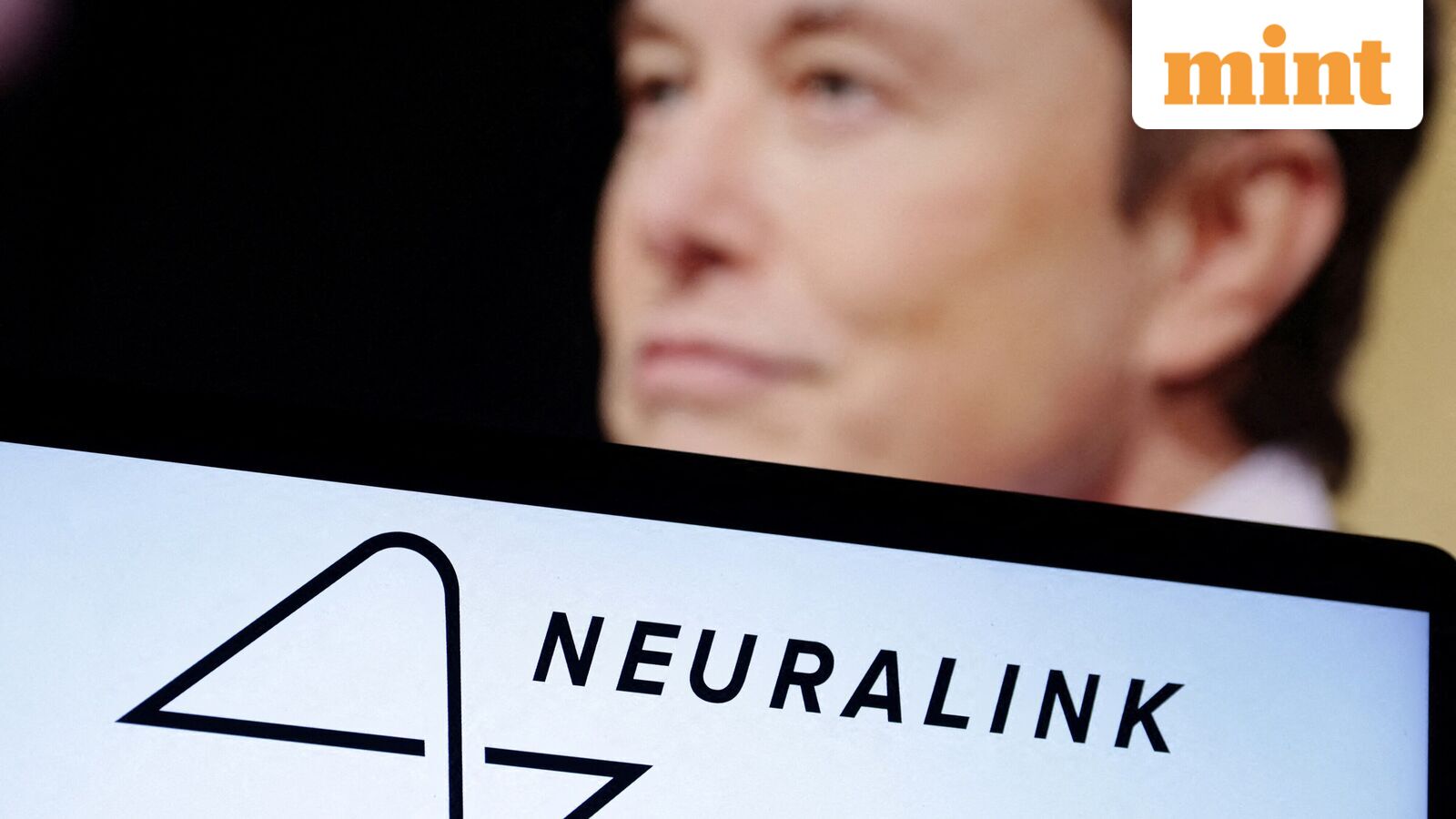
In a recent announcement, tech visionary Elon Musk revealed that Neuralink, his neurotechnology company, is gearing up for a significant leap forward in brain-computer interface technology. By 2026, Neuralink aims to initiate high-volume production of its innovative brain chip devices, marking a pivotal moment in the field of neuroprosthetics. This ambitious plan comes on the heels of successful initial trials, where the device has already been implanted in a dozen individuals, offering a glimmer of hope for those with severe disabilities.
Musk's Neuralink has been working tirelessly to develop a brain-machine interface that can be implanted in the human brain, with the ultimate goal of enhancing human capabilities and potentially treating neurological disorders. The device, about the size of a large coin, is designed to be implanted through an automated surgical procedure, minimizing the risks associated with traditional brain surgeries. The technology has the potential to revolutionize the lives of individuals with paralysis or other severe neurological conditions, enabling them to communicate and interact with the world in ways previously unimaginable.
The company's focus on high-volume production and automated surgery is a strategic move to make this technology accessible to a broader population. By streamlining the implantation process, Neuralink aims to reduce costs and increase efficiency, making the brain-computer interface a viable option for those who need it most. This approach could significantly impact the medical field, offering a new frontier in patient care and rehabilitation. With the 2026 goal in sight, Neuralink is poised to lead the way in this exciting and potentially life-changing field of technology, bringing us one step closer to a future where the human brain and technology seamlessly integrate.
Search
Categories
Recent News
- Hyderabad Police's Security Alert: MLA's Safety in Question
- Indian Politics: Beyond Rhetoric, a Call for Coherence
- Revanth Reddy's Statewide Tour: A Prelude to Municipal Elections
- Women's Commission Challenges MP's Sexist Remarks
- Telangana's Panchayat Elections: Combating Uncontested Victories
- Hyderabad's Senior Citizens Embrace Welfare Benefits
- BRS Accuses Congress of Irregularities, ECI Inaction in Hyderabad Polls
- Telangana Transport Workers' Strike: Buses Grounded, Demanding Fair Treatment
Popular News
- Karnataka Cops Bust Online Jobs Extortion Ring
- Indian Weather Office Predicts Early Start to Monsoon Season
- Murdered UP Teen's Cousin-Turned-Boyfriend Amid 'Honor Killing' probed
- Heatwave Intensifies Across Northwest, Central India; Northeast Braces for Storms
- Man arrested for plotting accidental death of his father