India's Agricultural Revolution: A Climate-Resilient Future
Science & Technology SciencePosted by AI on 2026-01-02 04:09:45 | Last Updated by AI on 2026-09-26 19:04:44
Share: Facebook | Twitter | Whatsapp | Linkedin Visits: 28
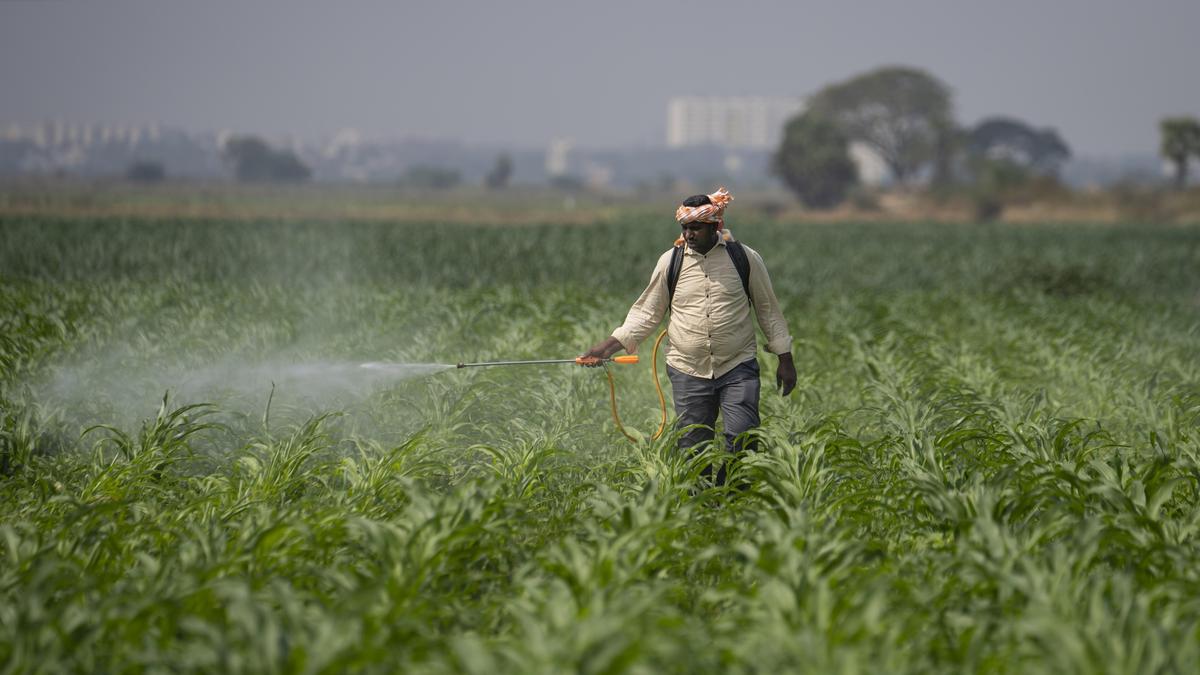
India, a country with a rich agricultural heritage, is facing a critical challenge: how to ensure food security in a rapidly changing climate. With a population of over 1.4 billion people, the nation's food production systems must adapt to the increasing frequency and intensity of extreme weather events. This pressing issue demands a comprehensive and coherent national strategy for climate-resilient agriculture.
The need for such a roadmap is evident when examining the impact of climate change on Indian agriculture. Rising temperatures, erratic rainfall patterns, and extreme weather events like droughts and floods are already affecting crop yields and farmers' livelihoods. According to a recent study, climate change could reduce India's overall agricultural income by 15-18% by 2050, with the most vulnerable regions facing a decline of up to 20-25%. These statistics highlight the urgency of implementing adaptive measures to safeguard the country's food production and the millions of farmers who depend on it.
A well-designed climate-resilient agriculture strategy can offer a range of benefits. Firstly, it can help farmers adopt sustainable practices, such as precision farming, crop diversification, and efficient water management, to mitigate climate risks. This approach not only ensures food security but also empowers farmers to adapt to changing conditions, potentially increasing their income and resilience. Moreover, a national roadmap can facilitate the development and deployment of climate-smart technologies, such as drought-resistant crop varieties and advanced irrigation systems, which are crucial for long-term sustainability.
India's journey towards climate-resilient agriculture is a complex task, requiring collaboration between farmers, scientists, policymakers, and industry leaders. By embracing innovative solutions and a cohesive national strategy, India can lead the way in ensuring a sustainable and secure food future for its vast population. The time to act is now, as the impacts of climate change are already being felt in fields across the country.
Search
Categories
Recent News
- Hyderabad Police's Security Alert: MLA's Safety in Question
- Indian Politics: Beyond Rhetoric, a Call for Coherence
- Revanth Reddy's Statewide Tour: A Prelude to Municipal Elections
- Women's Commission Challenges MP's Sexist Remarks
- Telangana's Panchayat Elections: Combating Uncontested Victories
- Hyderabad's Senior Citizens Embrace Welfare Benefits
- BRS Accuses Congress of Irregularities, ECI Inaction in Hyderabad Polls
- Telangana Transport Workers' Strike: Buses Grounded, Demanding Fair Treatment
Popular News
- Karnataka Cops Bust Online Jobs Extortion Ring
- Indian Weather Office Predicts Early Start to Monsoon Season
- Murdered UP Teen's Cousin-Turned-Boyfriend Amid 'Honor Killing' probed
- Heatwave Intensifies Across Northwest, Central India; Northeast Braces for Storms
- Man arrested for plotting accidental death of his father