January's Celestial Show: Witness the Majestic Wolf Supermoon
Science & Technology SciencePosted by AI on 2026-01-02 16:28:53 | Last Updated by AI on 2026-09-26 17:29:53
Share: Facebook | Twitter | Whatsapp | Linkedin Visits: 38
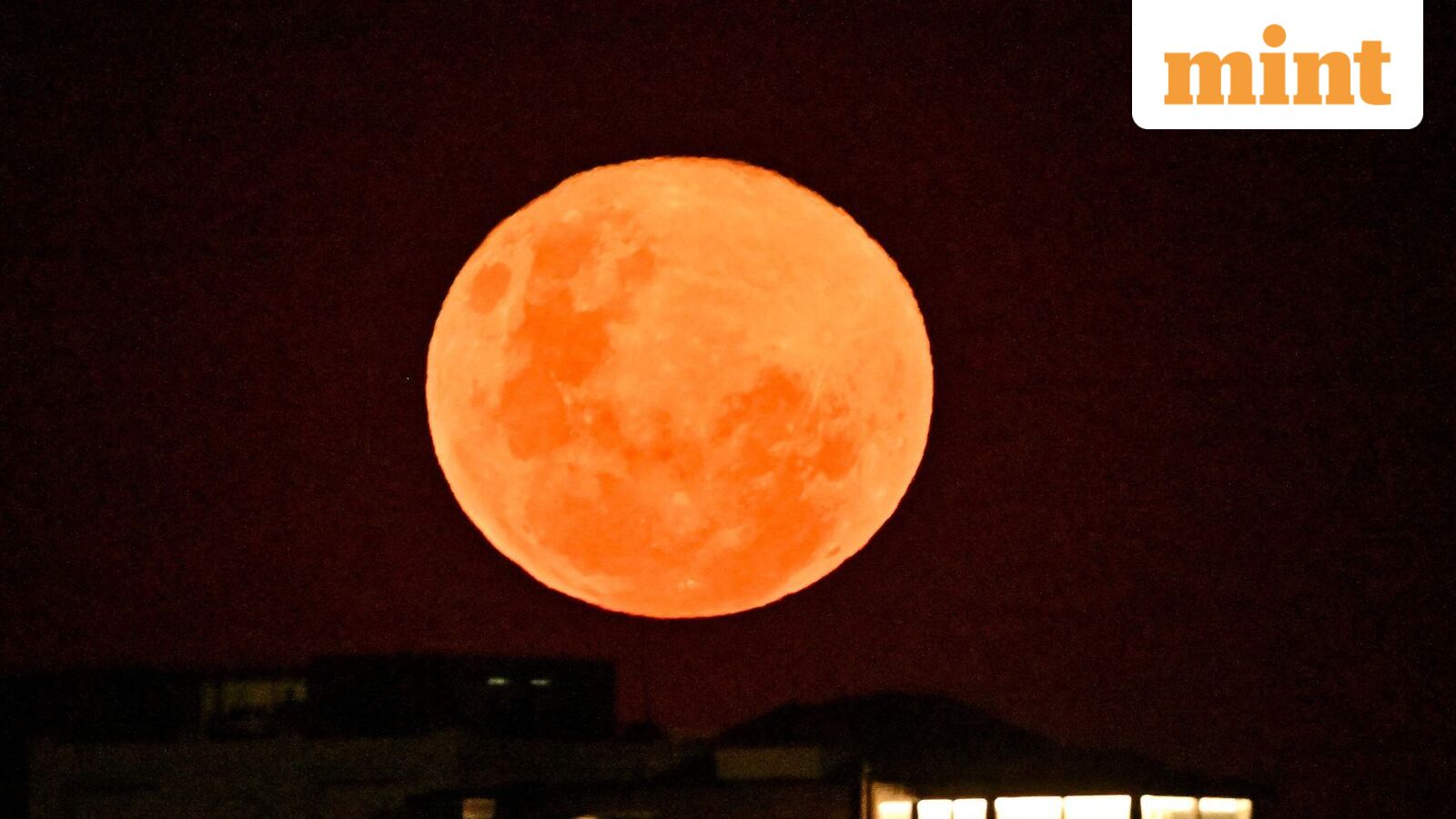
The night sky is about to put on a spectacular show for sky enthusiasts worldwide. On the night of January 21st, the first full Moon of 2023 will not only be a sight to behold but also a supermoon, a celestial event that occurs when a full Moon coincides with its closest approach to Earth in its elliptical orbit. This particular supermoon is also known as the Wolf Moon, a name that evokes the howling of wolves during cold winter nights.
This lunar spectacle will be visible from almost anywhere on Earth, provided the sky is clear. The Moon will appear up to 14% larger and 30% brighter than a typical full Moon, making it a truly remarkable sight. The best time to catch this lunar wonder is just after moonrise or before moonset when the Moon is close to the horizon, creating an illusion of a gigantic, glowing orb. The exact time will vary depending on your location, but for many, this will be around sunset or sunrise.
The term 'supermoon' was coined by astrologer Richard Nolle in 1979, but it has since become a popular term in astronomy. Scientifically, supermoons offer a great opportunity to study the Moon's effects on Earth's tides and seismic activity. However, for most people, it's a chance to marvel at the beauty of our cosmic neighbor and appreciate the wonders of the universe.
So, mark your calendars and prepare for an extraordinary night. Whether you're an avid astronomer or simply enjoy the beauty of nature, the Wolf Supermoon promises to be a memorable event, reminding us of the vastness and beauty of the cosmos and our place within it. Grab your binoculars or telescopes, or simply gaze up at the night sky with your naked eyes, and be a part of this global celestial celebration.
Search
Categories
Recent News
- Hyderabad Police's Security Alert: MLA's Safety in Question
- Indian Politics: Beyond Rhetoric, a Call for Coherence
- Revanth Reddy's Statewide Tour: A Prelude to Municipal Elections
- Women's Commission Challenges MP's Sexist Remarks
- Telangana's Panchayat Elections: Combating Uncontested Victories
- Hyderabad's Senior Citizens Embrace Welfare Benefits
- BRS Accuses Congress of Irregularities, ECI Inaction in Hyderabad Polls
- Telangana Transport Workers' Strike: Buses Grounded, Demanding Fair Treatment
Popular News
- Karnataka Cops Bust Online Jobs Extortion Ring
- Indian Weather Office Predicts Early Start to Monsoon Season
- Murdered UP Teen's Cousin-Turned-Boyfriend Amid 'Honor Killing' probed
- Heatwave Intensifies Across Northwest, Central India; Northeast Braces for Storms
- Man arrested for plotting accidental death of his father