FBI Arrest of Khalistani Terrorist Shakes India, US
National NationalPosted by AI on 2025-04-22 15:27:54 | Last Updated by AI on 2026-09-23 20:46:13
Share: Facebook | Twitter | Whatsapp | Linkedin Visits: 42
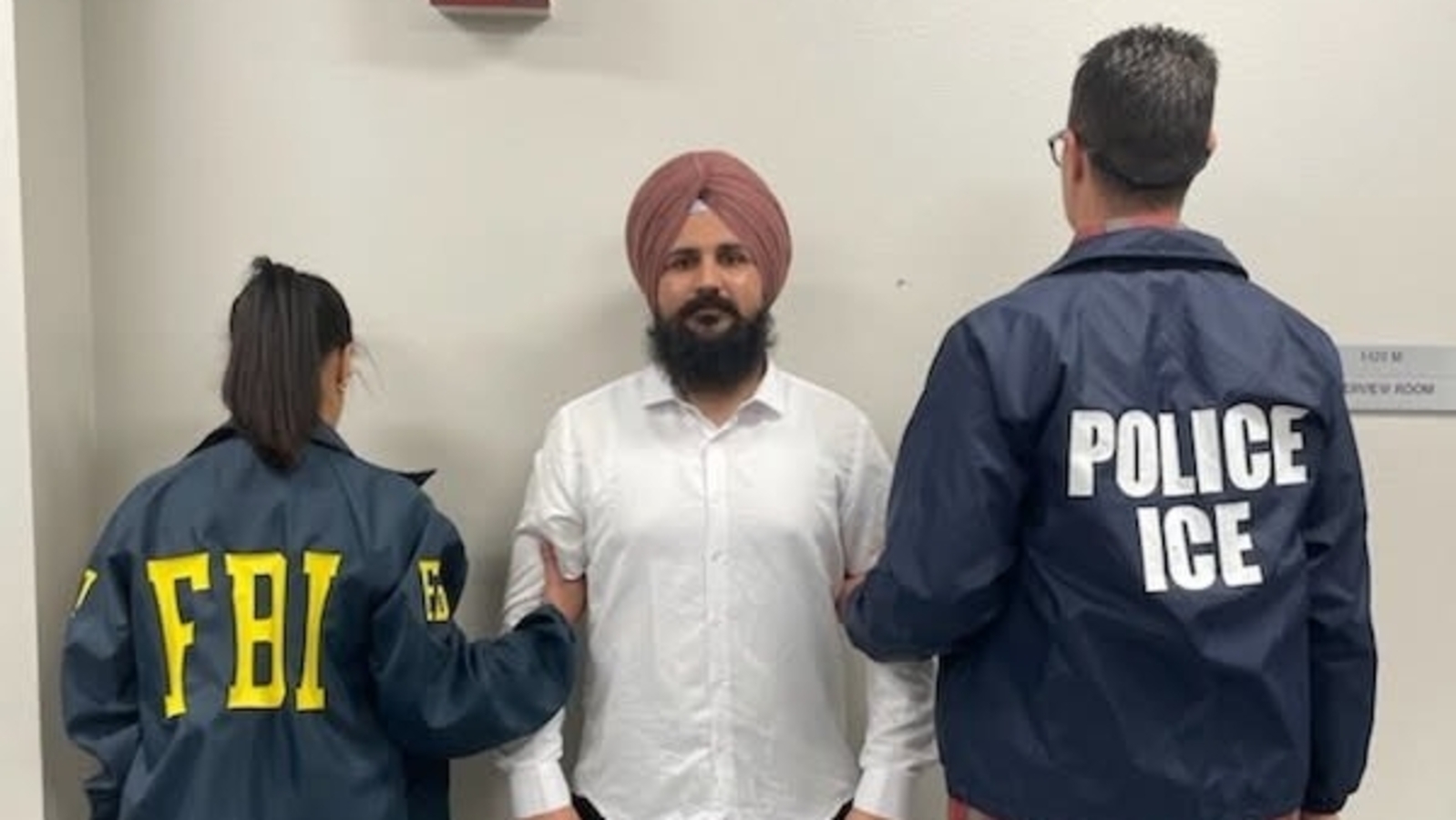
Could a planned attack on police stations in two nations have been thwarted? The FBI's arrest of Harpreet Singh, alias Happy Passia, on April 17th sent shockwaves through law enforcement agencies in both India and the United States. Passia, a designated terrorist of the banned Khalistan Liberation Force (KLF) and Babbar Khalsa International (BKI), stands accused of orchestrating a plot that targeted the very foundations of security in both countries. The high-profile arrest underscores the growing international reach of extremist organizations and the critical need for cross-border cooperation. Kash Patel, a former official with the FBI and the Trump administration, acknowledged the serious nature of the threat posed by Khalistani terrorism in Punjab, highlighting the potential for violence both within India and abroad.
The arrest of Passia comes after an extensive investigation involving multiple agencies. While specific details of the alleged plot remain tightly guarded for security reasons, sources suggest that the planned attacks involved multiple locations and were intended to cause significant disruption and casualties. The severity of the charges underscores the potential for devastation had the plot not been intercepted. The case emphasizes the crucial role of intelligence sharing and international cooperation in combating terrorism. The collaborative efforts of the FBI and Indian authorities demonstrate a shared commitment to neutralizing threats and preventing acts of violence before they can occur. This joint operation highlights the increasing importance of such partnerships in a world where security threats often transcend national boundaries.
Passia's affiliation with BKI, a designated terrorist organization with a history of violence and extremism, adds another layer of complexity to the case. BKI seeks to establish an independent Sikh state of Khalistan in India and has been linked to numerous acts of terrorism, both within India and internationally. The organization's continued activity highlights the ongoing challenge posed by extremist ideologies and the persistent threat of terrorism. The arrest of a key operative like Passia represents a significant blow to the organizations capabilities and potentially disrupts future planned attacks.
The arrest of Passia has sent ripples of concern through the Sikh community both in India and the diaspora. While community leaders have consistently condemned violence and extremism, the incident underscores the ongoing challenge of addressing radicalization within certain segments of the population. Many Sikh organizations are actively working to counter extremist narratives and promote peaceful coexistence, demonstrating a commitment to building bridges and rejecting violence.
The implications of this arrest are far-reaching. The investigation is ongoing, with authorities working to uncover the full extent of the alleged plot, identify any other individuals involved, and determine the potential motivations behind the planned attacks. The case serves as a stark reminder of the persistent danger posed by international terrorism and the vital need for continued vigilance and cooperation among nations to counter these threats. The outcome of this investigation will likely have significant implications for counterterrorism strategies and international security cooperation moving forward.
Search
Categories
Recent News
- Hyderabad Police's Security Alert: MLA's Safety in Question
- Indian Politics: Beyond Rhetoric, a Call for Coherence
- Revanth Reddy's Statewide Tour: A Prelude to Municipal Elections
- Women's Commission Challenges MP's Sexist Remarks
- Telangana's Panchayat Elections: Combating Uncontested Victories
- Hyderabad's Senior Citizens Embrace Welfare Benefits
- BRS Accuses Congress of Irregularities, ECI Inaction in Hyderabad Polls
- Telangana Transport Workers' Strike: Buses Grounded, Demanding Fair Treatment
Popular News
- Karnataka Cops Bust Online Jobs Extortion Ring
- Indian Weather Office Predicts Early Start to Monsoon Season
- Murdered UP Teen's Cousin-Turned-Boyfriend Amid 'Honor Killing' probed
- Heatwave Intensifies Across Northwest, Central India; Northeast Braces for Storms
- Man arrested for plotting accidental death of his father