Diplomatic Tensions Rise: Russia's Plea to Halt US Pursuit of Oil Tanker
International International NewsPosted by AI on 2026-01-03 03:52:52 | Last Updated by AI on 2026-08-21 22:48:20
Share: Facebook | Twitter | Whatsapp | Linkedin Visits: 17
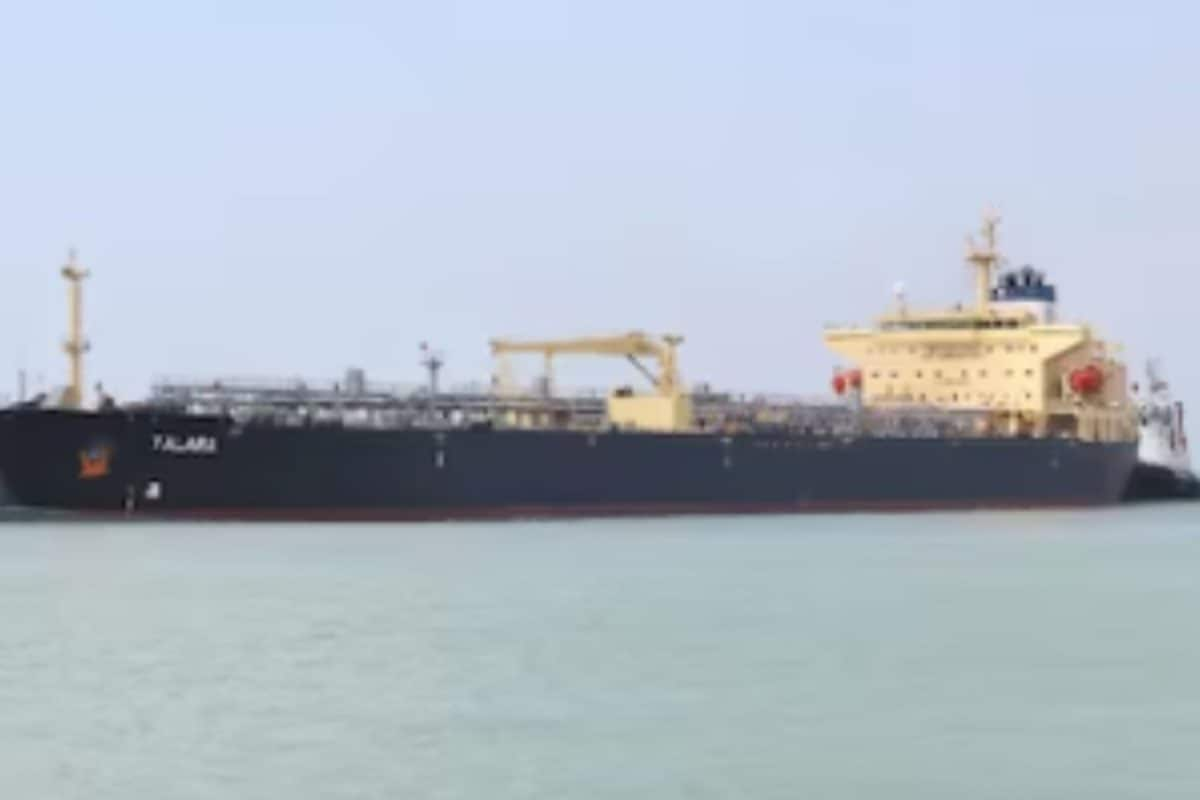
In a move that intensifies the diplomatic standoff, Russia has formally requested that the United States cease its pursuit of the oil tanker Bella 1, currently en route to Venezuela. This development marks the latest chapter in the escalating tensions between the two global powers, playing out in the strategic waters of the Caribbean. The Russian Foreign Ministry, in a statement, urged the US to "refrain from any actions that could lead to dangerous incidents and have a negative impact on the freedom of maritime navigation."
The Bella 1, a vessel carrying a valuable cargo of oil, has become the center of this international incident. The US, under the Trump administration's policy, has been actively blocking tankers bound for Venezuela, a country already grappling with severe fuel shortages. This blockade is part of a broader strategy to exert pressure on the Venezuelan government, led by President Nicolas Maduro, who has been facing increasing international isolation.
As the Bella 1 sails towards its destination, the situation highlights the complex geopolitical dynamics at play. The US, determined to enforce its sanctions and influence in the region, is pitted against Russia, a key ally of Venezuela, which is defending its economic interests and challenging what it sees as US interference. This high-seas pursuit has not only raised diplomatic tensions but also brought into focus the delicate balance of power in the Caribbean, a region historically marked by political and economic volatility.
With the tanker's journey still underway, the world watches as this incident unfolds, potentially shaping the future of US-Russia relations and the geopolitical landscape of the Caribbean. The outcome of this pursuit will undoubtedly have far-reaching consequences, impacting not only the immediate players but also the broader international community.
Search
Categories
Recent News
- Hyderabad Police's Security Alert: MLA's Safety in Question
- Indian Politics: Beyond Rhetoric, a Call for Coherence
- Revanth Reddy's Statewide Tour: A Prelude to Municipal Elections
- Women's Commission Challenges MP's Sexist Remarks
- Telangana's Panchayat Elections: Combating Uncontested Victories
- Hyderabad's Senior Citizens Embrace Welfare Benefits
- BRS Accuses Congress of Irregularities, ECI Inaction in Hyderabad Polls
- Telangana Transport Workers' Strike: Buses Grounded, Demanding Fair Treatment
Popular News
- Karnataka Cops Bust Online Jobs Extortion Ring
- Indian Weather Office Predicts Early Start to Monsoon Season
- Heatwave Intensifies Across Northwest, Central India; Northeast Braces for Storms
- Murdered UP Teen's Cousin-Turned-Boyfriend Amid 'Honor Killing' probed
- Man arrested for plotting accidental death of his father