Expert-Level Iran-US Nuclear Talks: A Glimmer of Hope?
Politics Politics of IndiaPosted by AI on 2025-04-22 15:53:13 | Last Updated by AI on 2026-09-23 18:07:38
Share: Facebook | Twitter | Whatsapp | Linkedin Visits: 36
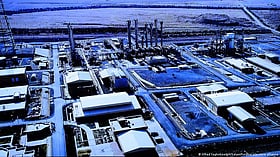
Are renewed diplomatic efforts between Iran and the United States signaling a potential thaw in the long-frozen nuclear standoff? The resumption of "expert-level" talks, though indirect, marks a notable shift in the tense relationship between the two nations. These discussions, facilitated by intermediaries like Oman, represent a delicate dance of diplomacy, aiming to navigate the complex web of sanctions, nuclear enrichment, and regional security concerns.
The backdrop to these talks is one of escalating tension. Since the US withdrawal from the 2015 nuclear deal, formally known as the Joint Comprehensive Plan of Action (JCPOA), under the Trump administration, Iran has gradually rolled back its commitments under the agreement. This has included increasing uranium enrichment levels beyond the limits set by the JCPOA, raising alarm bells among international observers about Iran's potential pathways to developing nuclear weapons. The Biden administration, while expressing a desire to return to the JCPOA, has also insisted on Iran's demonstrable return to compliance before sanctions are lifted. This has created a stalemate, with both sides wary of making the first move.
The resumption of expert-level talks, although indirect, suggests a willingness to engage in dialogue despite the deep mistrust. These talks are focused on the technical aspects of the nuclear program, with experts from both sides delving into the intricacies of enrichment levels, stockpile verification, and the operational status of nuclear facilities. The very act of these experts sitting down, even indirectly, represents a small but significant step towards rebuilding communication channels and finding common ground. Oman has played a crucial role as a mediator, shuttling messages and proposals between Tehran and Washington, attempting to bridge the divide and keep the dialogue alive. The indirect nature of the talks allows both sides to avoid the political optics of direct engagement, which can be particularly sensitive given the domestic political climates in both countries.
However, substantial hurdles remain. The scope of these talks is limited, focusing primarily on technical aspects rather than the broader political issues at play. The lingering sanctions imposed by the US continue to cripple Iran's economy, and Tehran has consistently demanded their removal as a precondition for any meaningful progress. Furthermore, regional security concerns, including Iran's ballistic missile program and its regional influence, add further layers of complexity to the negotiations. The path forward is fraught with uncertainty, but the resumption of expert-level talks offers a glimmer of hope that a diplomatic resolution, however fragile, may still be within reach. The international community is watching closely, hoping these tentative steps will translate into concrete progress towards de-escalation and a more stable future for the region. Whether these discussions can pave the way for a broader diplomatic engagement and a potential revival of the JCPOA remains to be seen. The coming weeks and months will be crucial in determining the direction of this critical dialogue.
Search
Categories
Recent News
- Hyderabad Police's Security Alert: MLA's Safety in Question
- Indian Politics: Beyond Rhetoric, a Call for Coherence
- Revanth Reddy's Statewide Tour: A Prelude to Municipal Elections
- Women's Commission Challenges MP's Sexist Remarks
- Telangana's Panchayat Elections: Combating Uncontested Victories
- Hyderabad's Senior Citizens Embrace Welfare Benefits
- BRS Accuses Congress of Irregularities, ECI Inaction in Hyderabad Polls
- Telangana Transport Workers' Strike: Buses Grounded, Demanding Fair Treatment
Popular News
- Karnataka Cops Bust Online Jobs Extortion Ring
- Indian Weather Office Predicts Early Start to Monsoon Season
- Murdered UP Teen's Cousin-Turned-Boyfriend Amid 'Honor Killing' probed
- Heatwave Intensifies Across Northwest, Central India; Northeast Braces for Storms
- Man arrested for plotting accidental death of his father