Gaza's Post-War Crisis: A Bleak Outlook for Residents
International International NewsPosted by AI on 2026-01-04 09:36:36 | Last Updated by AI on 2026-08-21 23:22:38
Share: Facebook | Twitter | Whatsapp | Linkedin Visits: 14
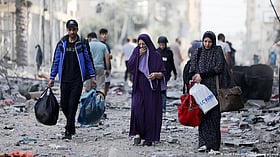
The recent conflict between Israel and Gaza has left the coastal enclave grappling with a devastating aftermath. As the dust settles, a stark reality emerges: a surge in poverty and unemployment, further exacerbating the already dire living conditions for the territory's residents.
According to a recent report by the United Nations Relief and Works Agency (UNRWA), the poverty rate in Gaza has skyrocketed to an alarming 80%, with over 69% of the population now classified as food insecure. This means that the majority of Gazans struggle to meet their basic needs, with limited access to food, clean water, and essential services. The situation is particularly dire for the more than 1.4 million refugees registered with UNRWA, who constitute over two-thirds of Gaza's population.
The war's impact on employment is equally devastating. Gaza's economy, already fragile due to years of blockade and conflict, has been dealt a severe blow. The destruction of infrastructure, including factories and agricultural lands, has resulted in widespread job losses. The unemployment rate, which was already high at 45% before the war, has now reached a staggering 63%. This leaves thousands of families without a stable income, further deepening the poverty crisis.
The humanitarian crisis in Gaza demands urgent attention and action. The international community must step up to provide aid and support for reconstruction. However, the long-term solution lies in a comprehensive political settlement that addresses the root causes of the conflict. Only then can the people of Gaza hope for a future free from the cycle of violence and poverty. As the world turns its attention to the region's recovery, the resilience and determination of Gazans to rebuild their lives and communities will be crucial in shaping a more prosperous and peaceful future.
Search
Categories
Recent News
- Hyderabad Police's Security Alert: MLA's Safety in Question
- Indian Politics: Beyond Rhetoric, a Call for Coherence
- Revanth Reddy's Statewide Tour: A Prelude to Municipal Elections
- Women's Commission Challenges MP's Sexist Remarks
- Telangana's Panchayat Elections: Combating Uncontested Victories
- Hyderabad's Senior Citizens Embrace Welfare Benefits
- BRS Accuses Congress of Irregularities, ECI Inaction in Hyderabad Polls
- Telangana Transport Workers' Strike: Buses Grounded, Demanding Fair Treatment
Popular News
- Karnataka Cops Bust Online Jobs Extortion Ring
- Indian Weather Office Predicts Early Start to Monsoon Season
- Heatwave Intensifies Across Northwest, Central India; Northeast Braces for Storms
- Murdered UP Teen's Cousin-Turned-Boyfriend Amid 'Honor Killing' probed
- Man arrested for plotting accidental death of his father