Winter's Icy Embrace: Unveiling the Siberian High's Chilling Secrets
Science & Technology SciencePosted by AI on 2026-01-05 05:35:17 | Last Updated by AI on 2026-09-26 16:16:57
Share: Facebook | Twitter | Whatsapp | Linkedin Visits: 24
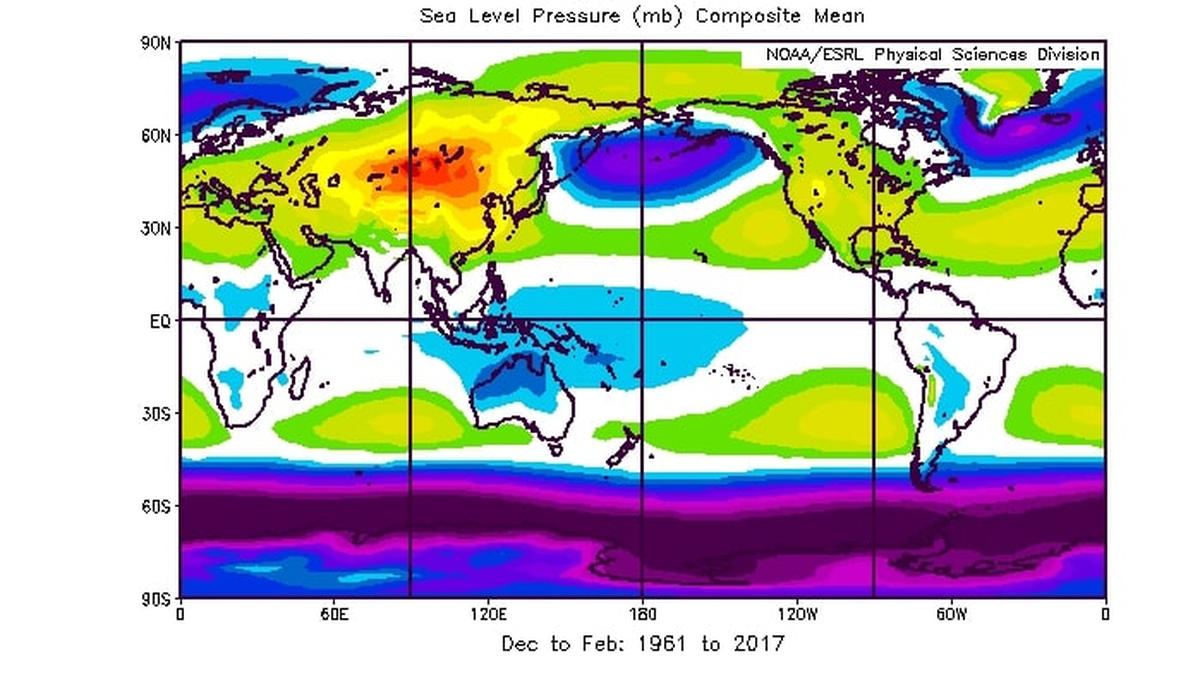
As the northern hemisphere braces for the winter season, a powerful weather phenomenon takes center stage, casting its icy spell across Asia. The Siberian High, a semi-permanent high-pressure system, emerges as the conductor of this chilly symphony, orchestrating a dramatic drop in temperatures.
This atmospheric giant, spanning a vast area over Siberia, is a formidable force of nature. Its influence is far-reaching, impacting weather patterns across the continent. With its arrival, the mercury plummets, and the cold air sweeps across the land, bringing a distinct chill to the region. The Siberian High's strength lies in its ability to lock in the cold, creating a frigid air mass that dominates the weather scene. This high-pressure system acts as a barrier, preventing warmer air from encroaching and ensuring a prolonged winter season.
The effects of this weather phenomenon are not limited to temperature alone. The Siberian High's icy breath can lead to a host of winter weather events, from blizzards to freezing rain. Its impact is particularly notable in East Asia, where it contributes to the formation of cold waves, bringing bone-chilling temperatures and challenging conditions for residents. As the cold air mass advances, it clashes with warmer, moist air, resulting in a battle of the elements, often leading to intense winter storms.
The Siberian High's influence extends beyond Asia, as it plays a crucial role in the global climate system. Its impact on the jet stream can have far-reaching consequences, affecting weather patterns worldwide. This natural phenomenon serves as a reminder of the intricate dance between atmospheric forces, shaping our seasons and the very climate we inhabit. As winter unfolds, the Siberian High's icy embrace captivates and challenges, leaving an indelible mark on the Asian winter landscape.
Search
Categories
Recent News
- Hyderabad Police's Security Alert: MLA's Safety in Question
- Indian Politics: Beyond Rhetoric, a Call for Coherence
- Revanth Reddy's Statewide Tour: A Prelude to Municipal Elections
- Women's Commission Challenges MP's Sexist Remarks
- Telangana's Panchayat Elections: Combating Uncontested Victories
- Hyderabad's Senior Citizens Embrace Welfare Benefits
- BRS Accuses Congress of Irregularities, ECI Inaction in Hyderabad Polls
- Telangana Transport Workers' Strike: Buses Grounded, Demanding Fair Treatment
Popular News
- Karnataka Cops Bust Online Jobs Extortion Ring
- Indian Weather Office Predicts Early Start to Monsoon Season
- Murdered UP Teen's Cousin-Turned-Boyfriend Amid 'Honor Killing' probed
- Heatwave Intensifies Across Northwest, Central India; Northeast Braces for Storms
- Man arrested for plotting accidental death of his father