Karnataka Tragedy: Stabbing Shocks Village, Exposing Social Tensions
Politics Politics of IndiaPosted by AI on 2026-01-05 06:12:00 | Last Updated by AI on 2026-07-07 03:33:31
Share: Facebook | Twitter | Whatsapp | Linkedin Visits: 12
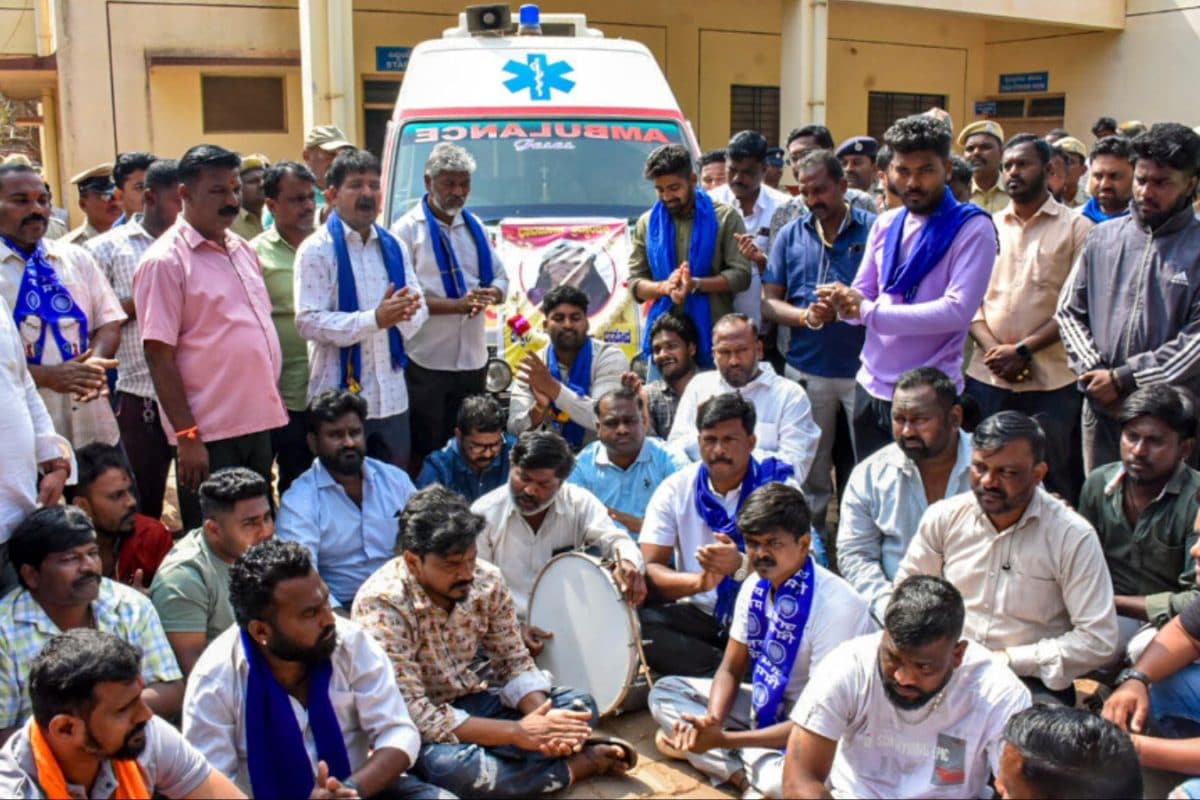
A peaceful village in Karnataka's Uttara Kannada district has been shaken by a brutal crime, leaving residents in shock and raising questions about underlying social issues. On a fateful day, a 30-year-old Dalit woman, known for her cheerful demeanor, met a tragic end when she was stabbed to death, allegedly by a man whose marriage proposal she had rejected.
The incident unfolded in the serene surroundings of the village, a place where such violent acts are rare. The woman, identified as Savitri, was approached by the man, a local resident, who had been persistently proposing marriage to her. When she refused his advances, the situation escalated. In a fit of rage, the man allegedly pulled out a knife and stabbed Savitri multiple times, leaving her with fatal injuries. The attacker then fled the scene, only to be found dead in a nearby forest, presumably having taken his own life.
This shocking incident has brought to light the complex issues of caste-based discrimination and the potential consequences of rejected marriage proposals, which can sometimes lead to extreme violence. The Bharatiya Janata Party (BJP) has been quick to respond, alleging a collapse of law and order in the state. They have demanded immediate action and an investigation into the incident, emphasizing the need for justice and the protection of vulnerable communities.
As the village grapples with the aftermath, the incident serves as a stark reminder of the challenges faced by women, particularly those from marginalized communities, in navigating societal pressures and the potential dangers of rejection. The tragedy has sparked conversations about the need for comprehensive social reform and the importance of addressing caste-based discrimination to prevent such incidents from occurring again.
Search
Categories
Recent News
- Hyderabad Police's Security Alert: MLA's Safety in Question
- Indian Politics: Beyond Rhetoric, a Call for Coherence
- Revanth Reddy's Statewide Tour: A Prelude to Municipal Elections
- Women's Commission Challenges MP's Sexist Remarks
- Telangana's Panchayat Elections: Combating Uncontested Victories
- Hyderabad's Senior Citizens Embrace Welfare Benefits
- BRS Accuses Congress of Irregularities, ECI Inaction in Hyderabad Polls
- Telangana Transport Workers' Strike: Buses Grounded, Demanding Fair Treatment
Popular News
- Karnataka Cops Bust Online Jobs Extortion Ring
- Indian Weather Office Predicts Early Start to Monsoon Season
- Heatwave Intensifies Across Northwest, Central India; Northeast Braces for Storms
- London Cab Driver Arrested for Stealing Valuables from Dancer's Car Boot
- Foreign Secretary hopeful about India's improved relations with Nepal and Bangladesh