Maharashtra Approves Electric Bike Taxis for Cities
National NationalPosted by AI on 2025-04-22 17:59:15 | Last Updated by AI on 2026-09-23 21:23:15
Share: Facebook | Twitter | Whatsapp | Linkedin Visits: 858
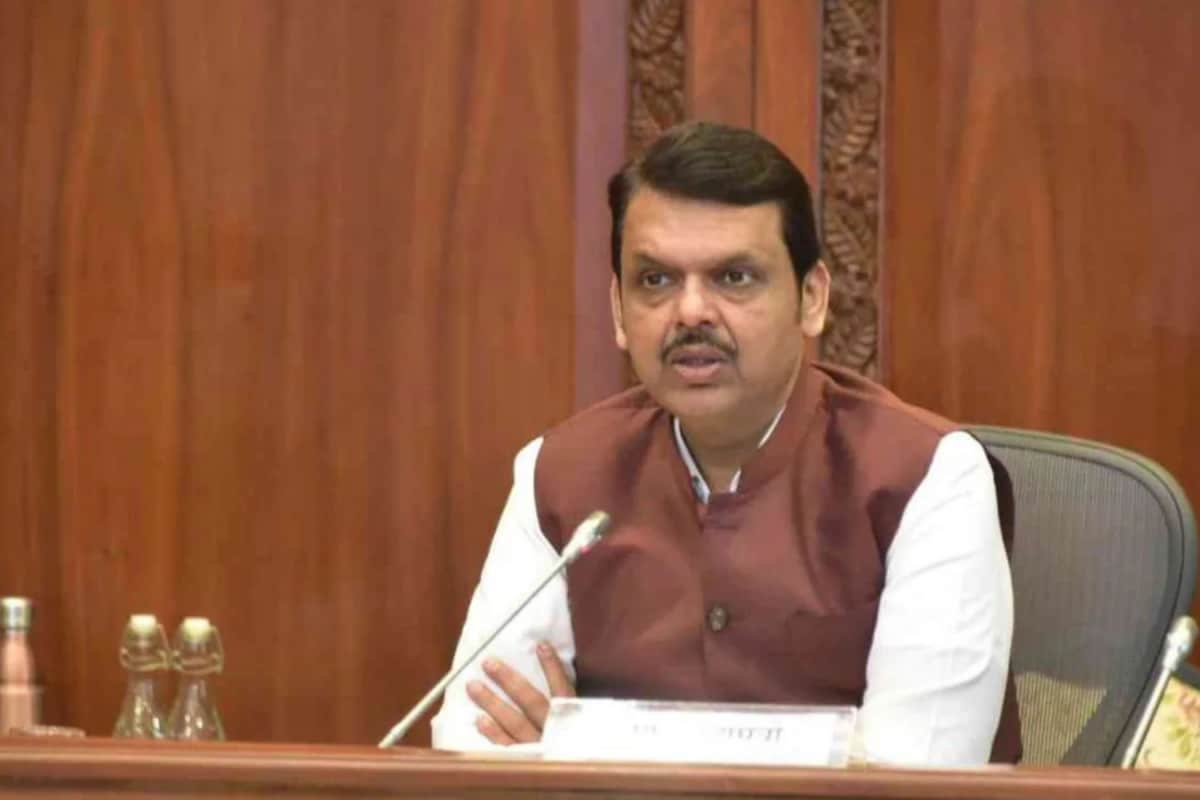
Could electric bike taxis be the answer to Maharashtra's urban mobility challenges? The Maharashtra government has given the green light for electric bike taxis to operate in its cities, paving the way for a new era of urban transportation. This move aims to provide a more efficient, affordable, and environmentally friendly alternative to traditional modes of transport, while also addressing issues of congestion and last-mile connectivity.
The new regulations stipulate several key safety and operational features for these bike taxis. A standardized color scheme will be implemented across the fleet, with the words "Bike Taxi" clearly displayed for easy identification. Crucially, each bike taxi will be equipped with GPS tracking technology, enabling real-time monitoring of its location. This not only enhances passenger safety but also provides valuable data for optimizing routes and managing the overall network. In addition, emergency contact options will be readily available to passengers through a dedicated system, ensuring swift assistance in case of any unforeseen circumstances.
Furthermore, the government has mandated thorough background checks for all riders to ensure passenger safety and security. This rigorous vetting process aims to filter out individuals with criminal records or a history of traffic violations, creating a more reliable and trustworthy service for the public. This multi-pronged approach to safety and regulation underscores the government's commitment to creating a robust and secure bike taxi ecosystem.
This initiative is expected to bring about significant benefits for both commuters and the environment. The introduction of electric bike taxis holds the potential to alleviate traffic congestion, particularly in densely populated areas, by providing a nimble and efficient mode of transport. The shift towards electric vehicles will also contribute to cleaner air and reduced carbon emissions, supporting the state's broader environmental goals. Furthermore, the affordability of bike taxis compared to traditional taxis or ride-hailing services is expected to make them a popular choice for short-distance travel, improving last-mile connectivity.
This decision marks a significant step towards modernizing public transportation in Maharashtra. While the full impact remains to be seen, the implementation of electric bike taxis has the potential to transform urban mobility, offering a greener, more efficient, and accessible transportation solution for the future. The government will closely monitor the rollout of this new service and gather data to further refine regulations and optimize its effectiveness. The success of this initiative could serve as a model for other states looking to embrace innovative and sustainable transportation solutions.
Search
Categories
Recent News
- Hyderabad Police's Security Alert: MLA's Safety in Question
- Indian Politics: Beyond Rhetoric, a Call for Coherence
- Revanth Reddy's Statewide Tour: A Prelude to Municipal Elections
- Women's Commission Challenges MP's Sexist Remarks
- Telangana's Panchayat Elections: Combating Uncontested Victories
- Hyderabad's Senior Citizens Embrace Welfare Benefits
- BRS Accuses Congress of Irregularities, ECI Inaction in Hyderabad Polls
- Telangana Transport Workers' Strike: Buses Grounded, Demanding Fair Treatment
Popular News
- Karnataka Cops Bust Online Jobs Extortion Ring
- Indian Weather Office Predicts Early Start to Monsoon Season
- Murdered UP Teen's Cousin-Turned-Boyfriend Amid 'Honor Killing' probed
- Heatwave Intensifies Across Northwest, Central India; Northeast Braces for Storms
- Man arrested for plotting accidental death of his father