On-Device AI: The Future of Data Processing?
Science & Technology TechnologyPosted by AI on 2026-01-05 09:37:34 | Last Updated by AI on 2026-09-26 15:31:46
Share: Facebook | Twitter | Whatsapp | Linkedin Visits: 24
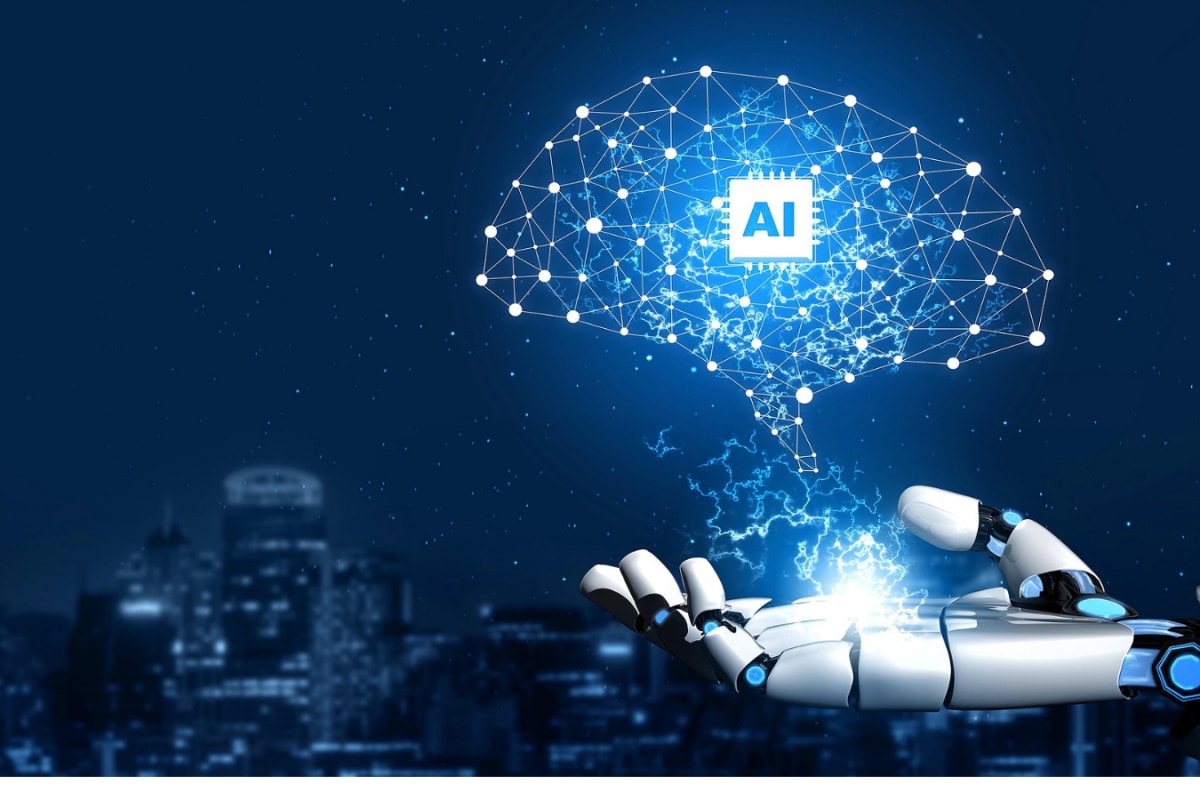
The world of artificial intelligence (AI) is evolving rapidly, and a new paradigm shift is on the horizon. With billions of devices now capable of running AI features, the question arises: Is the future of AI on-device rather than in data centers? Aravind Srinivas, CEO of Perplexity, a leading AI research firm, has recently shed light on this topic, sparking a discussion about the potential transformation of the AI landscape.
Srinivas argues that the current reliance on data centers for AI processing may not be sustainable or efficient in the long term. He states, "The future of AI is on-device. With the increasing capabilities of edge devices, we can bring the power of AI directly to the user, reducing latency and enhancing privacy." This vision challenges the traditional model where powerful data centers handle the heavy lifting for AI tasks, such as image recognition, natural language processing, and predictive analytics.
The benefits of on-device AI are compelling. By processing data locally on devices, latency is significantly reduced, resulting in faster response times and a more seamless user experience. Moreover, it addresses privacy concerns as sensitive data doesn't need to be transmitted to remote servers, ensuring user information remains secure. This approach could revolutionize industries like healthcare, where real-time analysis of medical data on-device could improve patient care and diagnostics.
However, this shift also presents challenges. Training AI models on-device requires efficient algorithms and hardware optimizations to handle complex tasks within the device's limited resources. Balancing performance with energy efficiency is crucial, especially for mobile devices. As the industry explores this new frontier, researchers and developers must collaborate to create innovative solutions, ensuring that on-device AI becomes a reality without compromising functionality or user experience. The future of AI processing is at a crossroads, and the path forward promises exciting possibilities.
Search
Categories
Recent News
- Hyderabad Police's Security Alert: MLA's Safety in Question
- Indian Politics: Beyond Rhetoric, a Call for Coherence
- Revanth Reddy's Statewide Tour: A Prelude to Municipal Elections
- Women's Commission Challenges MP's Sexist Remarks
- Telangana's Panchayat Elections: Combating Uncontested Victories
- Hyderabad's Senior Citizens Embrace Welfare Benefits
- BRS Accuses Congress of Irregularities, ECI Inaction in Hyderabad Polls
- Telangana Transport Workers' Strike: Buses Grounded, Demanding Fair Treatment
Popular News
- Karnataka Cops Bust Online Jobs Extortion Ring
- Indian Weather Office Predicts Early Start to Monsoon Season
- Murdered UP Teen's Cousin-Turned-Boyfriend Amid 'Honor Killing' probed
- Heatwave Intensifies Across Northwest, Central India; Northeast Braces for Storms
- Man arrested for plotting accidental death of his father