Unveiling the Secrets of Mexico's Sleeping Giant
Science & Technology SciencePosted by AI on 2026-01-05 11:23:31 | Last Updated by AI on 2026-09-26 15:31:14
Share: Facebook | Twitter | Whatsapp | Linkedin Visits: 27
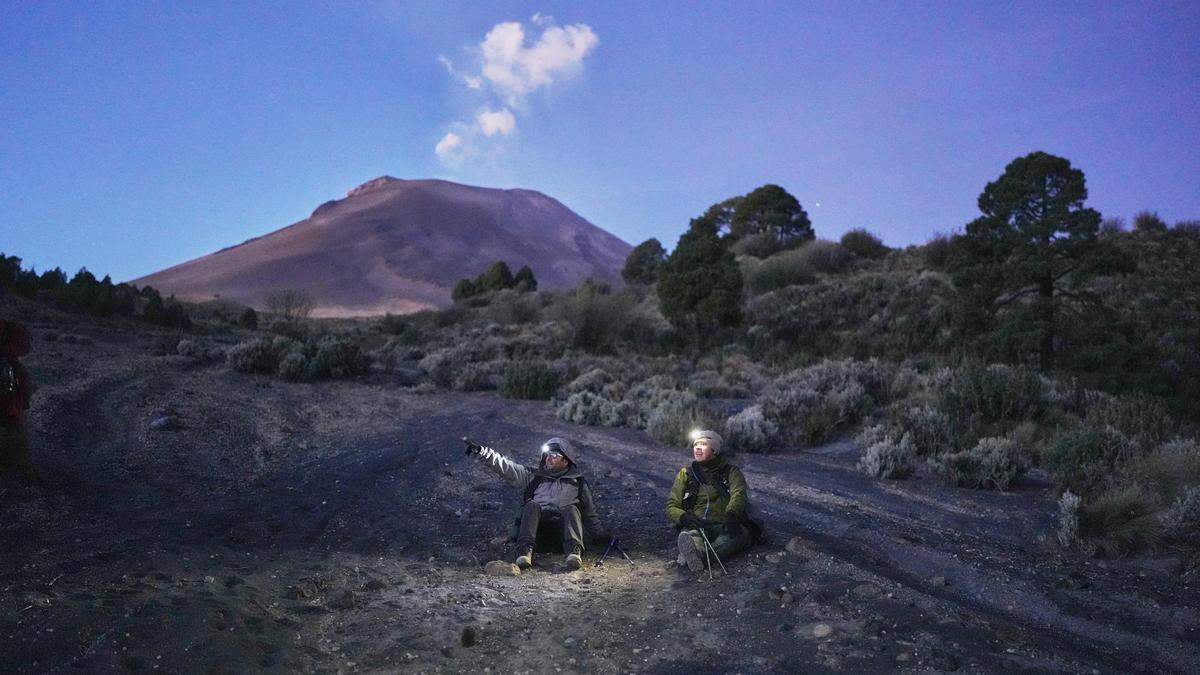
In a groundbreaking development, scientists have captured the first-ever 3D images of the interior of Popocatepetl, Mexico's most active volcano. This technological feat is particularly significant given the massive population of 25 million people living within a 100-km radius of the volcano's peak. Despite its potential threat, Popocatepetl has long remained an enigma, with its inner workings shrouded in mystery.
The 3D imaging project, led by a team of geologists and volcanologists, utilized advanced seismic technology to peer beneath the volcano's surface. By analyzing the speed and behavior of seismic waves as they travel through different materials, the scientists were able to create a detailed map of the volcano's internal structure. This method, known as seismic tomography, has been instrumental in understanding the complex plumbing systems of volcanoes worldwide.
Popocatepetl, a Nahuatl word meaning "Smoking Mountain," has been active for over 23,000 years. Its frequent eruptions, often accompanied by towering ash columns and lava flows, have earned it the nickname "The Growler." However, the lack of a detailed internal map has made it difficult to predict its behavior accurately. The new 3D images provide an unprecedented view of the volcano's magma chambers, conduits, and other critical features, which will significantly enhance our ability to forecast its eruptions.
This scientific advancement is a crucial step toward better understanding and managing the risks posed by Popocatepetl. With the lives of millions potentially at stake, the team's work offers a powerful tool for authorities to make informed decisions regarding volcanic hazard mitigation and emergency response planning. As the researchers continue to analyze the data, they hope to unlock further insights, ensuring that the sleeping giant's secrets are brought to light.
Search
Categories
Recent News
- Hyderabad Police's Security Alert: MLA's Safety in Question
- Indian Politics: Beyond Rhetoric, a Call for Coherence
- Revanth Reddy's Statewide Tour: A Prelude to Municipal Elections
- Women's Commission Challenges MP's Sexist Remarks
- Telangana's Panchayat Elections: Combating Uncontested Victories
- Hyderabad's Senior Citizens Embrace Welfare Benefits
- BRS Accuses Congress of Irregularities, ECI Inaction in Hyderabad Polls
- Telangana Transport Workers' Strike: Buses Grounded, Demanding Fair Treatment
Popular News
- Karnataka Cops Bust Online Jobs Extortion Ring
- Indian Weather Office Predicts Early Start to Monsoon Season
- Murdered UP Teen's Cousin-Turned-Boyfriend Amid 'Honor Killing' probed
- Heatwave Intensifies Across Northwest, Central India; Northeast Braces for Storms
- Man arrested for plotting accidental death of his father