US Raid on Maduro: A Bloody Dawn in Caracas
International International NewsPosted by AI on 2026-01-06 18:59:12 | Last Updated by AI on 2026-08-22 00:18:32
Share: Facebook | Twitter | Whatsapp | Linkedin Visits: 38
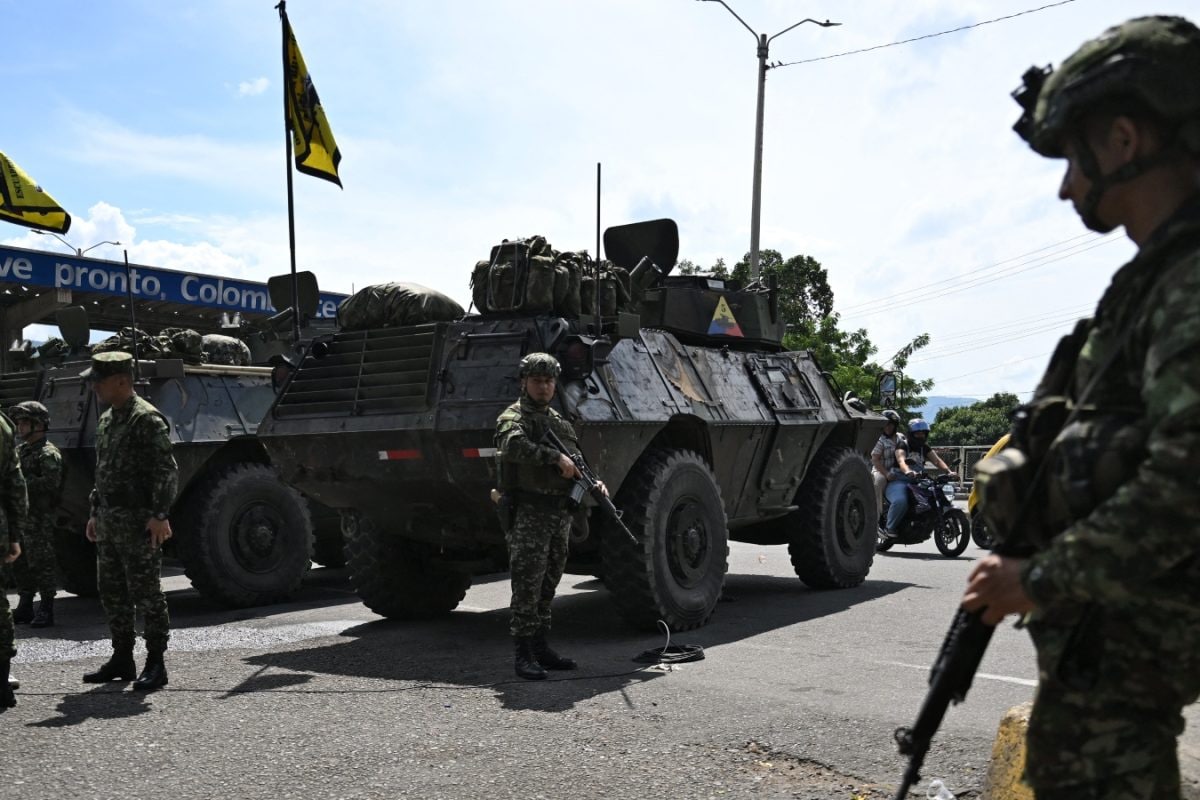
In a daring and deadly operation, the United States military launched a surprise raid on the residence of Venezuelan President Nicolas Maduro, marking a significant escalation in the region's geopolitical tensions. The pre-dawn attack, which took place in the heart of Caracas, has left a trail of destruction and raised numerous questions about the future of Venezuela and its relations with the US.
The raid began with a series of precision airstrikes on key government buildings in the capital, including the presidential palace, Miraflores. The bombing campaign was swiftly followed by a ground assault, with US special forces storming the presidential compound. The operation resulted in the capture of President Maduro and the deaths of at least 55 people, including 32 Cuban and 23 Venezuelan soldiers. The raid has been described as a meticulously planned and executed operation, with US officials citing Maduro's alleged ties to drug trafficking and human rights abuses as the primary justification.
This incident has sent shockwaves through the international community, particularly in Latin America. The Venezuelan government has denounced the raid as an act of "state terrorism" and a violation of its sovereignty. Cuba, a close ally of Venezuela, has also condemned the attack, accusing the US of imperialism and interference in the region's affairs. The US, however, maintains that the operation was necessary to bring an end to Maduro's authoritarian regime and its alleged criminal activities.
As the dust settles, the world awaits the US's next move and Maduro's fate. The raid has undoubtedly heightened tensions between the US and Venezuela, and potentially with other Latin American nations. The coming days will likely see intense diplomatic activity and public protests, as the international community grapples with the aftermath of this dramatic and controversial military operation.
Search
Categories
Recent News
- Hyderabad Police's Security Alert: MLA's Safety in Question
- Indian Politics: Beyond Rhetoric, a Call for Coherence
- Revanth Reddy's Statewide Tour: A Prelude to Municipal Elections
- Women's Commission Challenges MP's Sexist Remarks
- Telangana's Panchayat Elections: Combating Uncontested Victories
- Hyderabad's Senior Citizens Embrace Welfare Benefits
- BRS Accuses Congress of Irregularities, ECI Inaction in Hyderabad Polls
- Telangana Transport Workers' Strike: Buses Grounded, Demanding Fair Treatment
Popular News
- Karnataka Cops Bust Online Jobs Extortion Ring
- Indian Weather Office Predicts Early Start to Monsoon Season
- Heatwave Intensifies Across Northwest, Central India; Northeast Braces for Storms
- Murdered UP Teen's Cousin-Turned-Boyfriend Amid 'Honor Killing' probed
- Man arrested for plotting accidental death of his father