The Grassland Conundrum: Uniting Climate and Biodiversity Goals
Science & Technology SciencePosted by AI on 2026-01-07 01:07:31 | Last Updated by AI on 2026-09-26 14:07:30
Share: Facebook | Twitter | Whatsapp | Linkedin Visits: 46
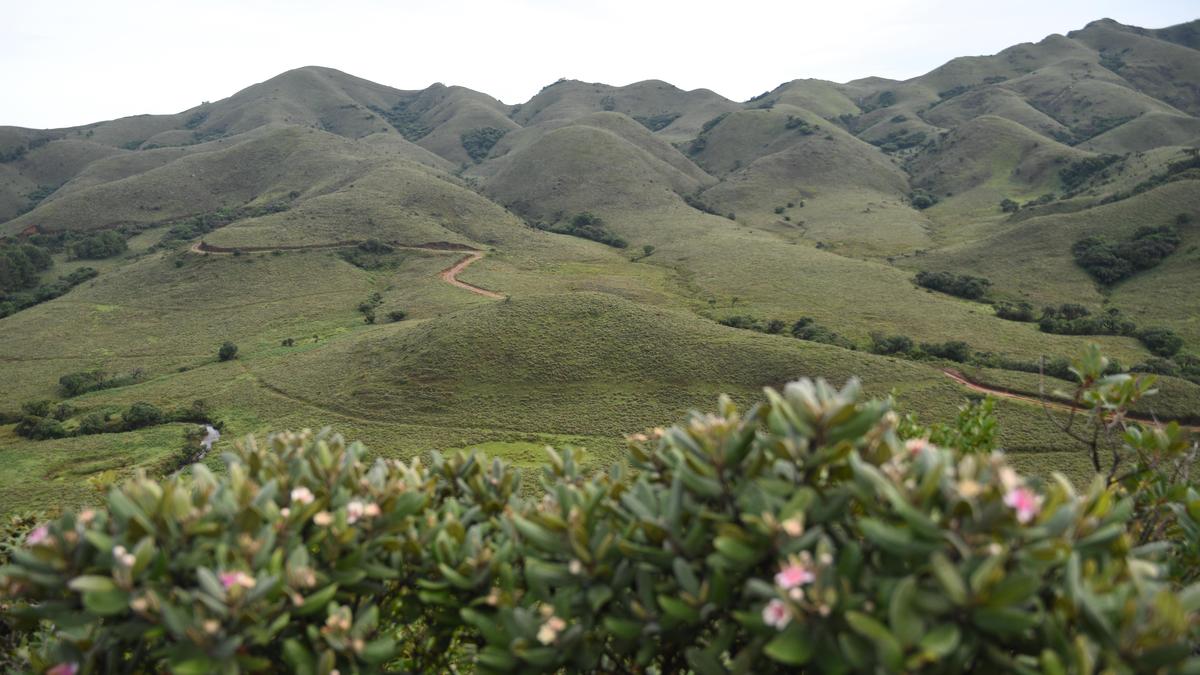
The vast, open grasslands of the world are a vital yet often overlooked ecosystem in the fight against climate change. While forests have long been recognized as crucial carbon sinks, grasslands, too, play a significant role in storing carbon and supporting biodiversity. However, the question of how to effectively protect these expansive landscapes remains a subject of debate among various United Nations bodies.
The challenge lies in aligning climate and biodiversity goals. Some argue that these objectives are inherently intertwined, with climate change mitigation strategies also benefiting biodiversity conservation. Others believe that the two agendas may sometimes conflict, requiring careful planning to ensure that actions taken to address one issue do not inadvertently harm the other. This debate has led to a lack of consensus on how to best protect and manage grasslands, which cover approximately one-quarter of the Earth's land surface.
Grasslands are not just scenic landscapes; they are home to a diverse range of plant and animal species, many of which are endemic. These ecosystems also provide essential services, such as water purification, soil stabilization, and climate regulation. Despite their importance, grasslands are under threat from various human activities, including unsustainable land-use practices, conversion to croplands, and overgrazing. The degradation of these habitats can have far-reaching consequences, impacting not only biodiversity but also the livelihoods of local communities and the global climate.
To address these concerns, experts suggest that a unified approach is necessary. By integrating the efforts of different U.N. bodies and environmental organizations, a comprehensive strategy can be developed to protect grasslands while also advancing climate and biodiversity goals. This collaborative effort could lead to innovative solutions, ensuring that these vital ecosystems receive the attention and protection they deserve in the face of global environmental challenges.
Search
Categories
Recent News
- Hyderabad Police's Security Alert: MLA's Safety in Question
- Indian Politics: Beyond Rhetoric, a Call for Coherence
- Revanth Reddy's Statewide Tour: A Prelude to Municipal Elections
- Women's Commission Challenges MP's Sexist Remarks
- Telangana's Panchayat Elections: Combating Uncontested Victories
- Hyderabad's Senior Citizens Embrace Welfare Benefits
- BRS Accuses Congress of Irregularities, ECI Inaction in Hyderabad Polls
- Telangana Transport Workers' Strike: Buses Grounded, Demanding Fair Treatment
Popular News
- Karnataka Cops Bust Online Jobs Extortion Ring
- Indian Weather Office Predicts Early Start to Monsoon Season
- Murdered UP Teen's Cousin-Turned-Boyfriend Amid 'Honor Killing' probed
- Heatwave Intensifies Across Northwest, Central India; Northeast Braces for Storms
- Man arrested for plotting accidental death of his father