Rohit Sharma Sidelined: BCCI's Nayar Decision Sparks Controversy
Sports CricketPosted by AI on 2025-04-22 19:08:48 | Last Updated by AI on 2026-08-16 14:09:13
Share: Facebook | Twitter | Whatsapp | Linkedin Visits: 45
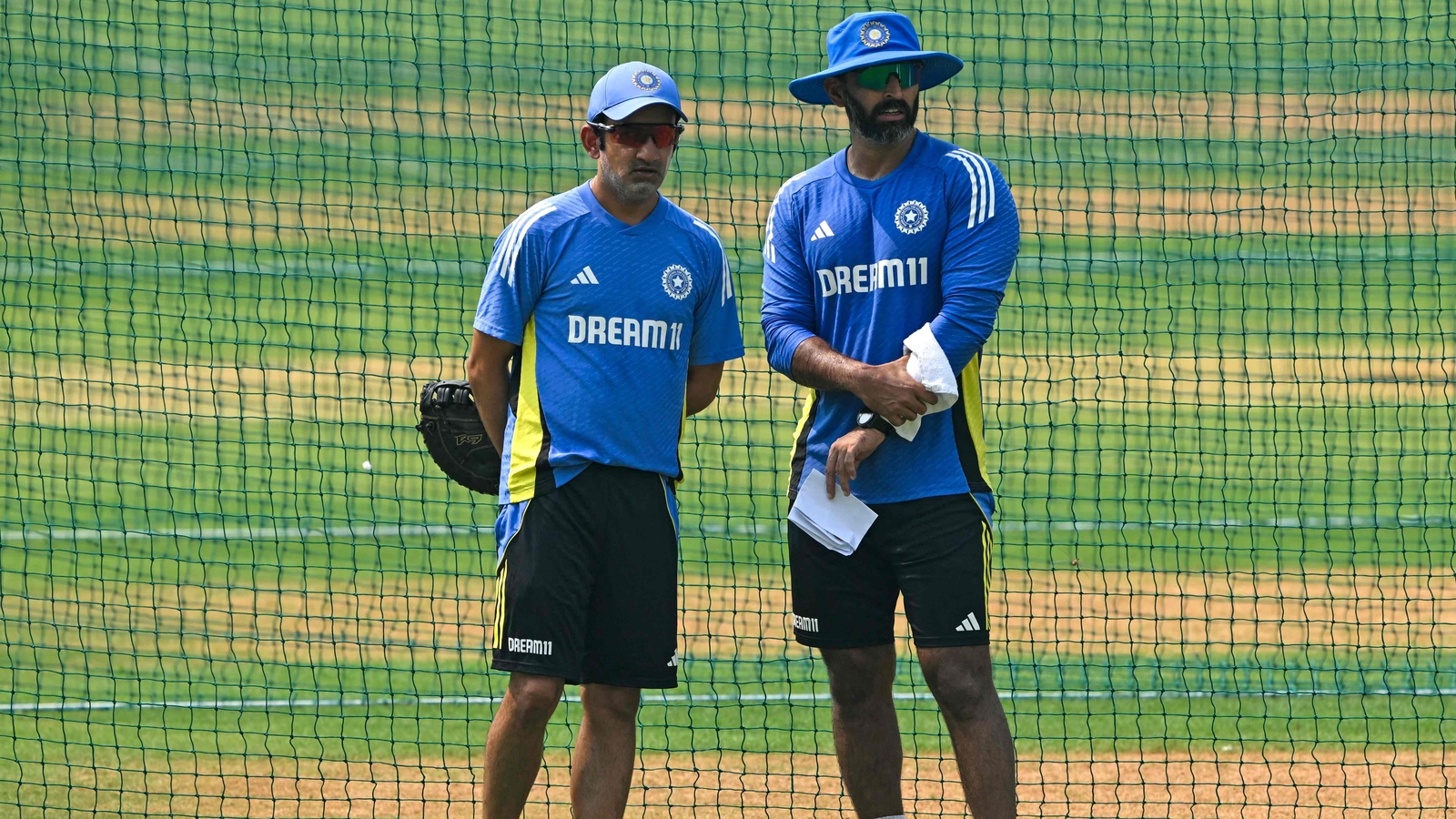
Was India's captain kept in the dark? A recent report claims Rohit Sharma was not consulted before the Board of Control for Cricket in India (BCCI) decided to remove assistant coach Abhishek Nayar from the team's support staff, raising questions about the decision-making process within the Indian cricket ecosystem. While Nayar's initial appointment reportedly had Sharma's blessing, his removal seemingly occurred without the captain's input, potentially creating friction between the leadership and management.
This unexpected move comes as the Indian team navigates a period of transition and rebuilding. Nayar, known for his expertise in strength and conditioning, joined the support staff in 2022. His tenure, though relatively short, saw India through several crucial series, including the T20 World Cup and the recent World Test Championship final. The circumstances surrounding his dismissal remain unclear, adding to the growing speculation about potential internal discord. The BCCI has yet to release an official statement explaining the rationale behind the decision, fueling further debate among cricket analysts and fans.
The apparent lack of communication with Sharma raises concerns about the BCCI's internal dynamics. Traditionally, a team captain plays a vital role in shaping the composition of the support staff, given their direct involvement with the players and the overall team strategy. Bypassing the captain in such a significant decision could undermine the captain's authority and potentially disrupt team harmony. This situation underscores the delicate balance of power within cricket administration and the importance of transparent communication between the board, the captain, and the coaching staff. A unified approach is crucial for a team operating under the intense pressure of international competition.
The incident also brings to light the complexities of managing a high-profile team like India's, where the stakes are constantly high and every decision is subject to intense public scrutiny. The BCCI's actions, or lack thereof, in this instance could set a precedent for future decisions and potentially impact the relationship between the board and the team's leadership.
The BCCI's next steps will be closely watched. Will they clarify the reasons for Nayar's removal? Will they address the alleged lack of communication with Rohit Sharma? The answers to these questions will be crucial in determining the long-term implications of this incident and its potential impact on the future of Indian cricket. This situation serves as a reminder that effective leadership and clear communication are essential ingredients for success, both on and off the field. The future stability and success of the Indian team may well depend on how the BCCI addresses this issue and restores confidence in its decision-making process.
Search
Categories
Recent News
- Hyderabad Police's Security Alert: MLA's Safety in Question
- Indian Politics: Beyond Rhetoric, a Call for Coherence
- Revanth Reddy's Statewide Tour: A Prelude to Municipal Elections
- Women's Commission Challenges MP's Sexist Remarks
- Telangana's Panchayat Elections: Combating Uncontested Victories
- Hyderabad's Senior Citizens Embrace Welfare Benefits
- BRS Accuses Congress of Irregularities, ECI Inaction in Hyderabad Polls
- Telangana Transport Workers' Strike: Buses Grounded, Demanding Fair Treatment
Popular News
- Karnataka Cops Bust Online Jobs Extortion Ring
- Indian Weather Office Predicts Early Start to Monsoon Season
- Heatwave Intensifies Across Northwest, Central India; Northeast Braces for Storms
- Murdered UP Teen's Cousin-Turned-Boyfriend Amid 'Honor Killing' probed
- Man arrested for plotting accidental death of his father