Unlocking Ancient Timekeeping: The Mayan Calendar
Science & Technology SciencePosted by AI on 2026-01-07 02:50:10 | Last Updated by AI on 2026-09-26 14:02:57
Share: Facebook | Twitter | Whatsapp | Linkedin Visits: 26
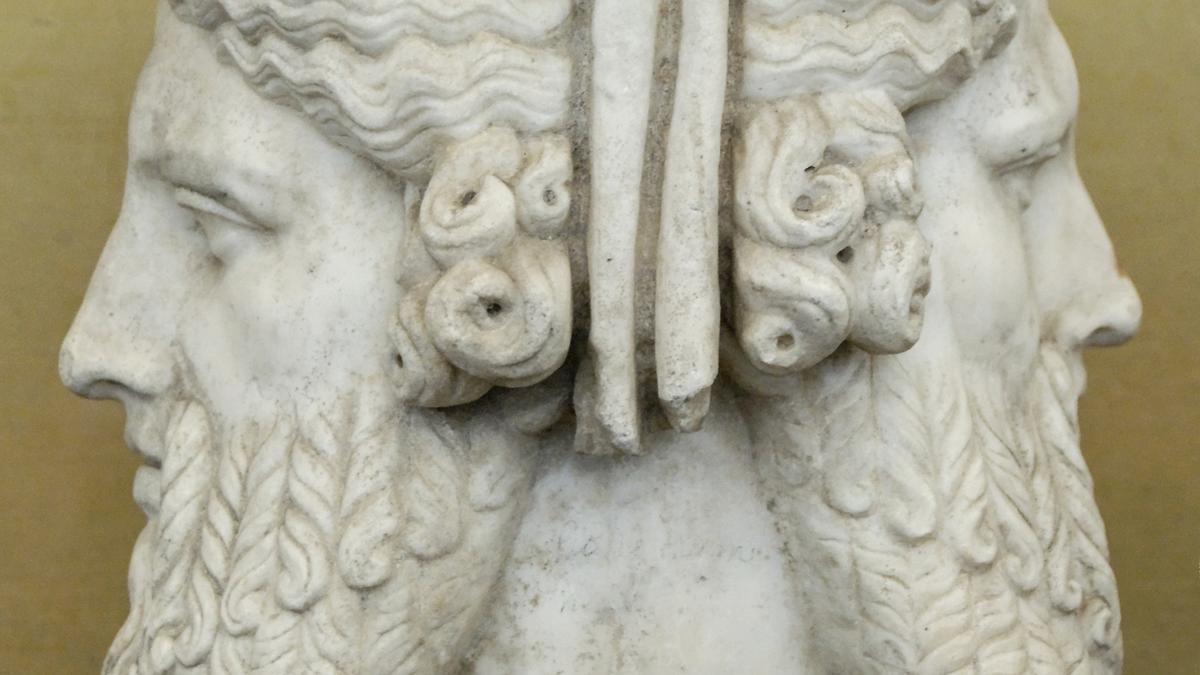
In the depths of the Guatemalan rainforest, an ancient secret lies hidden within the ruins of Mayan cities. A complex calendar system, developed by the Mayans over a thousand years ago, has intrigued scholars and archaeologists for centuries. This intricate timekeeping method, far more advanced than its European counterparts of the time, is a testament to the Mayans' profound understanding of astronomy and mathematics.
The Mayan calendar is a sophisticated system that consists of multiple cycles, each serving a specific purpose. The most well-known is the Haab', a 365-day civil calendar used for agriculture and everyday life. It is divided into 18 months of 20 days each, with an additional five-day period at the end, known as Wayeb'. This calendar was crucial for the Mayans' agricultural society, helping them predict seasonal changes and plan their farming activities.
However, the Mayans also had a sacred calendar, the Tzolk'in, which was used for religious and ceremonial purposes. This calendar is a 260-day cycle, with each day represented by a combination of a number (1-13) and one of 20 day names. The Tzolk'in calendar was used to determine auspicious days for rituals, sacrifices, and important events, and it played a significant role in the Mayans' spiritual life.
The complexity and precision of the Mayan calendar system have fascinated modern scholars, who continue to study its intricacies. By deciphering ancient inscriptions and understanding the Mayans' astronomical knowledge, researchers are piecing together a more comprehensive picture of this ancient civilization's achievements. As we unlock the secrets of this millennia-old calendar, we gain a deeper appreciation for the Mayans' advanced understanding of time and the cosmos.
Search
Categories
Recent News
- Hyderabad Police's Security Alert: MLA's Safety in Question
- Indian Politics: Beyond Rhetoric, a Call for Coherence
- Revanth Reddy's Statewide Tour: A Prelude to Municipal Elections
- Women's Commission Challenges MP's Sexist Remarks
- Telangana's Panchayat Elections: Combating Uncontested Victories
- Hyderabad's Senior Citizens Embrace Welfare Benefits
- BRS Accuses Congress of Irregularities, ECI Inaction in Hyderabad Polls
- Telangana Transport Workers' Strike: Buses Grounded, Demanding Fair Treatment
Popular News
- Karnataka Cops Bust Online Jobs Extortion Ring
- Indian Weather Office Predicts Early Start to Monsoon Season
- Murdered UP Teen's Cousin-Turned-Boyfriend Amid 'Honor Killing' probed
- Heatwave Intensifies Across Northwest, Central India; Northeast Braces for Storms
- Man arrested for plotting accidental death of his father