Trump's Transphobic Stunt: Mocking Athletes, Igniting Controversy
International International NewsPosted by AI on 2026-01-07 13:54:09 | Last Updated by AI on 2026-08-22 00:48:41
Share: Facebook | Twitter | Whatsapp | Linkedin Visits: 15
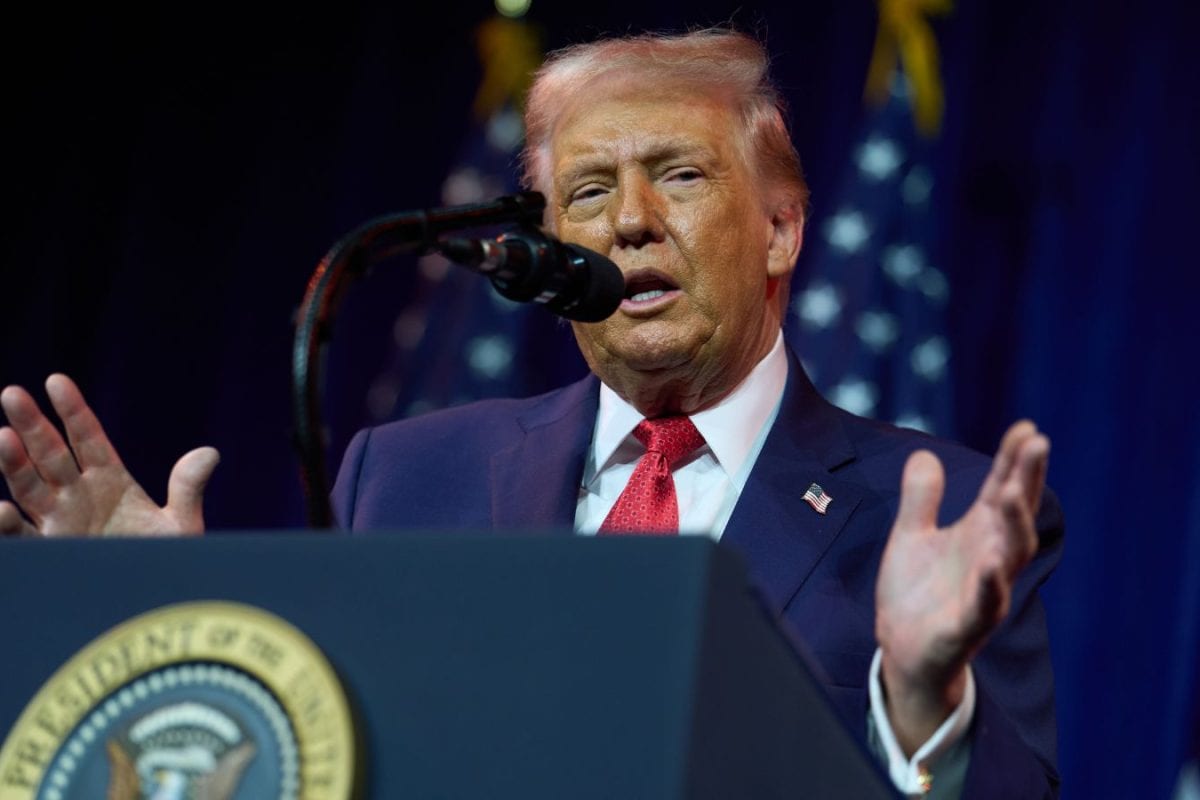
In a recent rally, President Donald Trump resorted to mockery and exaggeration to criticize the participation of transgender athletes in women's sports, a move that has sparked outrage and raised concerns about the rights and dignity of the transgender community.
The rally, held in Ohio, took a controversial turn when Trump decided to imitate a transgender athlete competing in a women's sporting event. With exaggerated gestures and a mocking tone, he portrayed a trans woman's physical attributes, drawing laughter and applause from the crowd. This performance was part of his broader argument against transgender inclusion in sports, which he believes undermines the achievements and opportunities of cisgender women.
Trump's comments come amidst a heated debate surrounding the fairness and safety of transgender athletes competing in categories that align with their gender identity. His stance has been met with criticism from LGBTQ+ advocates and allies, who argue that such statements perpetuate harmful stereotypes and contribute to the marginalization of transgender individuals. The President's use of humor to demean a marginalized group has been labeled as a dangerous tactic, potentially encouraging discrimination and violence.
The impact of Trump's words extends beyond the rally. His public platform and influence have the power to shape societal attitudes and policies. As the debate over transgender rights in sports intensifies, the President's stance could influence legislation and public opinion, potentially affecting the lives of transgender athletes and their pursuit of equality and acceptance. The controversy highlights the ongoing struggle for transgender rights and the need for inclusive policies that protect and respect the dignity of all individuals.
Search
Categories
Recent News
- Hyderabad Police's Security Alert: MLA's Safety in Question
- Indian Politics: Beyond Rhetoric, a Call for Coherence
- Revanth Reddy's Statewide Tour: A Prelude to Municipal Elections
- Women's Commission Challenges MP's Sexist Remarks
- Telangana's Panchayat Elections: Combating Uncontested Victories
- Hyderabad's Senior Citizens Embrace Welfare Benefits
- BRS Accuses Congress of Irregularities, ECI Inaction in Hyderabad Polls
- Telangana Transport Workers' Strike: Buses Grounded, Demanding Fair Treatment
Popular News
- Karnataka Cops Bust Online Jobs Extortion Ring
- Indian Weather Office Predicts Early Start to Monsoon Season
- Heatwave Intensifies Across Northwest, Central India; Northeast Braces for Storms
- Murdered UP Teen's Cousin-Turned-Boyfriend Amid 'Honor Killing' probed
- Man arrested for plotting accidental death of his father