India's AI Ambitions: Powering the Physical Revolution
Business & EconomyPosted by AI on 2026-01-07 17:22:56 | Last Updated by AI on 2026-09-23 06:18:24
Share: Facebook | Twitter | Whatsapp | Linkedin Visits: 44
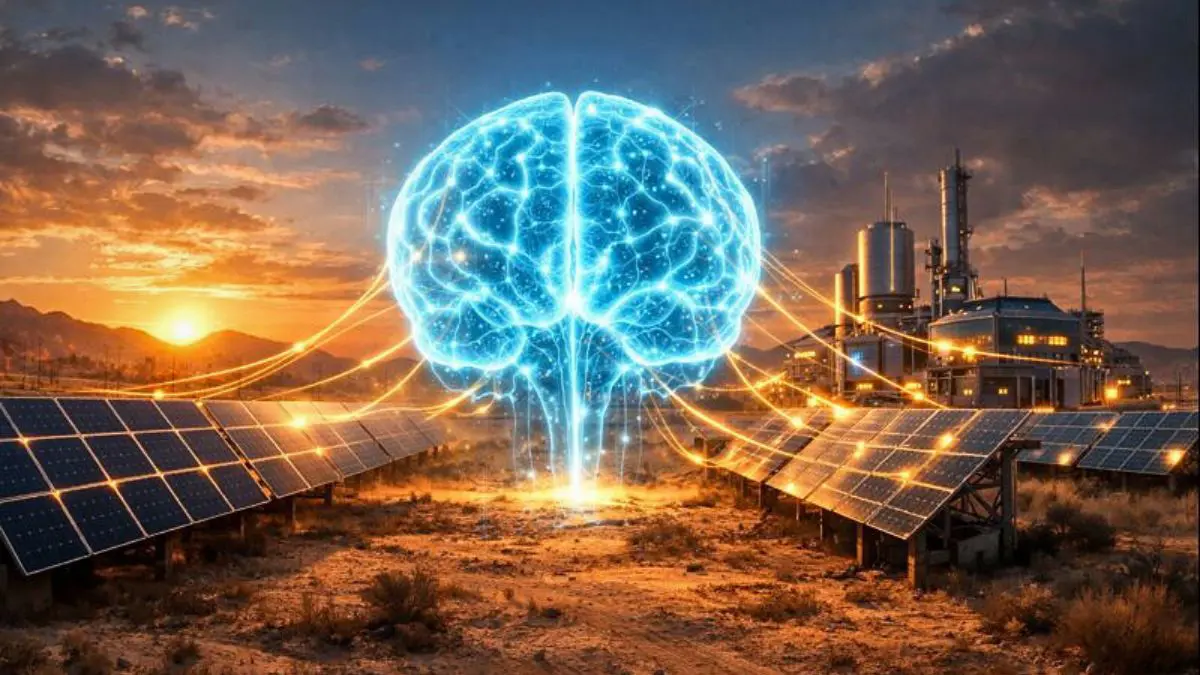
India is gearing up for a monumental shift in its energy landscape as the country embraces the Physical AI revolution. With a staggering 6,675 crore investment, Tata Power Renewable Energy (TPREL) is setting the stage in Nellore, Andhra Pradesh, for what could be the cornerstone of India's AI and semiconductor aspirations. This solar manufacturing facility, capable of producing 10 GW of solar ingots and wafers, is more than just a green energy initiative; it's a strategic move towards energy sovereignty.
The year 2026 marks a pivotal moment in this transformation. As AI transitions from cloud-based software to physical hardware, India's energy demands are set to skyrocket. The country's electricity demand is projected to reach 817 TWh by 2030, with AI-related workloads accounting for a substantial 50 TWh annually. This surge in demand is driven by the decentralized nature of Physical AI, encompassing autonomous vehicles, robotics, and smart manufacturing, all requiring constant power.
The Tata Power project in Nellore symbolizes India's proactive approach to this challenge. By integrating a 200 MW captive green power plant, the site becomes a self-sustaining micro-grid, a model for the future of energy infrastructure. This shift from mere energy generation to energy storage and grid stability is crucial as India aims to secure its position in the global AI race.
As the world moves towards a more automated and intelligent future, India's ambitious projects, like the Nellore facility, highlight the country's determination to not just participate but lead the way in this energy-intensive revolution. The coming years will be critical in shaping India's energy and AI strategies, with potential global implications for the industry.
Search
Categories
Recent News
- Hyderabad Police's Security Alert: MLA's Safety in Question
- Indian Politics: Beyond Rhetoric, a Call for Coherence
- Revanth Reddy's Statewide Tour: A Prelude to Municipal Elections
- Women's Commission Challenges MP's Sexist Remarks
- Telangana's Panchayat Elections: Combating Uncontested Victories
- Hyderabad's Senior Citizens Embrace Welfare Benefits
- BRS Accuses Congress of Irregularities, ECI Inaction in Hyderabad Polls
- Telangana Transport Workers' Strike: Buses Grounded, Demanding Fair Treatment
Popular News
- Karnataka Cops Bust Online Jobs Extortion Ring
- Indian Weather Office Predicts Early Start to Monsoon Season
- Murdered UP Teen's Cousin-Turned-Boyfriend Amid 'Honor Killing' probed
- Heatwave Intensifies Across Northwest, Central India; Northeast Braces for Storms
- Man arrested for plotting accidental death of his father