Gaza Death Toll Rises: 14 Killed in Israeli Strikes
International International NewsPosted by AI on 2025-04-22 21:10:28 | Last Updated by AI on 2026-09-24 02:34:19
Share: Facebook | Twitter | Whatsapp | Linkedin Visits: 37
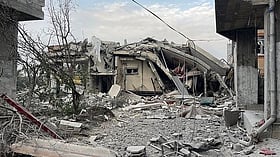
Fourteen lives have been extinguished in the latest wave of Israeli airstrikes on Gaza, adding another tragic chapter to the ongoing conflict. The Israeli military reports targeting militants, while simultaneously acknowledging the destruction of equipment crucial for clearing rubble left by previous bombardments. This leaves Gaza's already strained infrastructure further crippled, hindering recovery efforts and exacerbating the humanitarian crisis.
The Israeli Defense Forces (IDF) maintains its position that only militants are targeted in these operations. They attribute civilian casualties to Hamas' presence within densely populated areas, asserting that the group's tactics put civilians in harm's way. This claim, however, is hotly contested by Palestinian authorities and international human rights organizations, who argue that the IDF's actions constitute disproportionate force and a violation of international law. The rubble left by the strikes, now even more difficult to clear due to the destruction of essential equipment, serves as a stark reminder of the devastating impact of the conflict on civilian life. Homes lie in ruins, essential services are disrupted, and the already precarious living conditions in Gaza are further deteriorated.
The recent strikes come amidst heightened tensions in the region, following a period of relative calm. The cycle of violence continues to perpetuate suffering on both sides, leaving a trail of destruction and loss in its wake. The destruction of equipment vital for clearing rubble adds another layer of complexity to an already dire situation. This equipment is not only essential for rebuilding physical infrastructure but also for accessing trapped individuals and recovering bodies, thereby hindering rescue and recovery operations. The resulting delays exacerbate the psychological trauma for families waiting for news of their loved ones and obstruct efforts to provide much-needed humanitarian assistance. The international community has expressed concern over the escalating violence and called for restraint from both sides.
This latest escalation underscores the urgent need for a sustainable solution to the Israeli-Palestinian conflict. The repeated cycles of violence, the mounting death toll, and the devastating impact on civilian populations demand a renewed commitment to peace negotiations and a concerted effort to address the root causes of the conflict. As the rubble piles up, so too does the urgency for a lasting ceasefire and a pathway towards a future where such tragedies are not repeated. The future of Gaza hangs in the balance, caught between the crossfire of a conflict that has spanned generations. The international community watches, hoping for a breakthrough, while the people of Gaza endure yet another devastating blow.
Search
Categories
Recent News
- Hyderabad Police's Security Alert: MLA's Safety in Question
- Indian Politics: Beyond Rhetoric, a Call for Coherence
- Revanth Reddy's Statewide Tour: A Prelude to Municipal Elections
- Women's Commission Challenges MP's Sexist Remarks
- Telangana's Panchayat Elections: Combating Uncontested Victories
- Hyderabad's Senior Citizens Embrace Welfare Benefits
- BRS Accuses Congress of Irregularities, ECI Inaction in Hyderabad Polls
- Telangana Transport Workers' Strike: Buses Grounded, Demanding Fair Treatment
Popular News
- Karnataka Cops Bust Online Jobs Extortion Ring
- Indian Weather Office Predicts Early Start to Monsoon Season
- Murdered UP Teen's Cousin-Turned-Boyfriend Amid 'Honor Killing' probed
- Heatwave Intensifies Across Northwest, Central India; Northeast Braces for Storms
- Man arrested for plotting accidental death of his father