Climate Action Crisis: US Exit from UN FCCC Explained
Science & Technology SciencePosted by AI on 2026-01-08 05:24:13 | Last Updated by AI on 2026-09-26 12:37:26
Share: Facebook | Twitter | Whatsapp | Linkedin Visits: 34
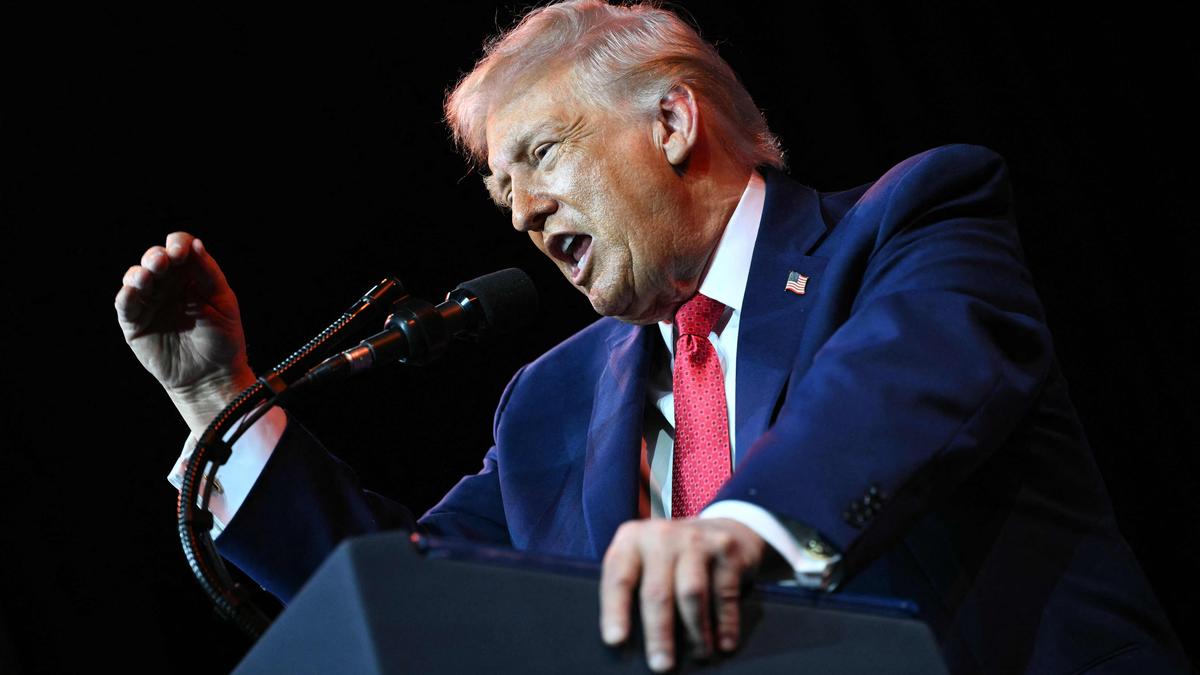
In a move that has sent shockwaves through the global climate action community, the United States has announced its withdrawal from the United Nations Framework Convention on Climate Change (UNFCCC). This decision, made by the Trump administration, has far-reaching implications for international efforts to combat climate change and raises questions about the future of global environmental cooperation.
The UNFCCC, established in 1992, is a vital platform for countries to negotiate and collaborate on climate action. It has been instrumental in shaping global agreements like the Kyoto Protocol and the Paris Agreement, which aim to reduce greenhouse gas emissions and limit global warming. The US, as one of the world's largest historical emitters, has played a significant role in these negotiations, making its departure a cause for concern. This exit could potentially disrupt the delicate balance of commitments and contributions among nations, especially in the realm of climate finance.
The impact of this decision is already being felt. Developing countries, which often bear the brunt of climate change impacts, are now left wondering if they will receive the financial support necessary to adapt and transition to a low-carbon economy. This uncertainty may lead to a breakdown in trust and cooperation, hindering progress towards global climate goals. Moreover, the US withdrawal could signal to other major emitters that they can shirk their responsibilities, potentially triggering a domino effect of non-compliance.
As the world grapples with the consequences, the international community must now decide how to move forward. Will other nations step up to fill the leadership void left by the US? Or will this decision mark a turning point in global climate action, where the absence of a key player weakens the collective resolve to address one of humanity's most pressing challenges? The coming months will be crucial in determining the future trajectory of international climate cooperation.
Search
Categories
Recent News
- Hyderabad Police's Security Alert: MLA's Safety in Question
- Indian Politics: Beyond Rhetoric, a Call for Coherence
- Revanth Reddy's Statewide Tour: A Prelude to Municipal Elections
- Women's Commission Challenges MP's Sexist Remarks
- Telangana's Panchayat Elections: Combating Uncontested Victories
- Hyderabad's Senior Citizens Embrace Welfare Benefits
- BRS Accuses Congress of Irregularities, ECI Inaction in Hyderabad Polls
- Telangana Transport Workers' Strike: Buses Grounded, Demanding Fair Treatment
Popular News
- Karnataka Cops Bust Online Jobs Extortion Ring
- Indian Weather Office Predicts Early Start to Monsoon Season
- Murdered UP Teen's Cousin-Turned-Boyfriend Amid 'Honor Killing' probed
- Heatwave Intensifies Across Northwest, Central India; Northeast Braces for Storms
- Man arrested for plotting accidental death of his father