Tensions Rise: Russia Threatens US Over Seized Ships
International International NewsPosted by AI on 2026-01-08 06:14:13 | Last Updated by AI on 2026-08-22 01:03:31
Share: Facebook | Twitter | Whatsapp | Linkedin Visits: 19
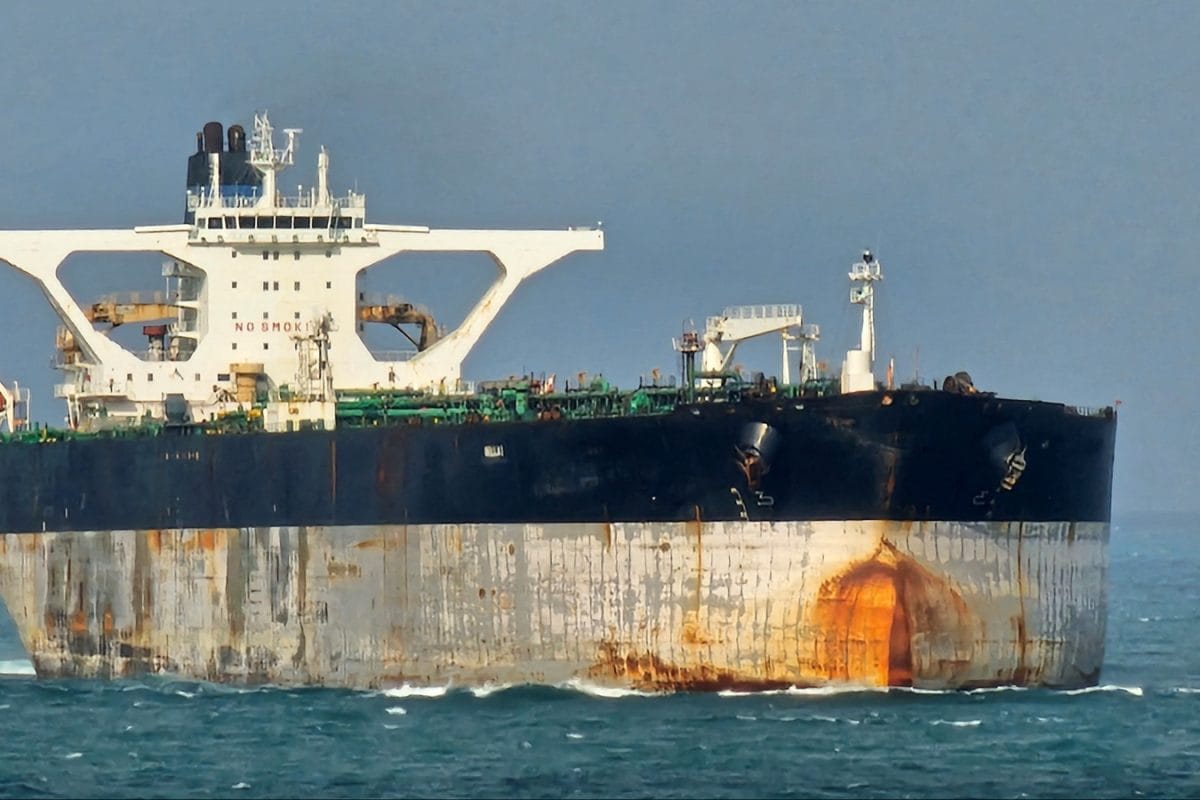
In a dramatic escalation of tensions, Russia has issued a stern warning to the United States, vowing military action in response to the recent seizure of Russian vessels off the coast of Venezuela. The incident has sparked a diplomatic firestorm, with Russian lawmakers demanding answers and threatening retaliation.
The crisis began when the US authorities intercepted the Russian-flagged oil tanker Marinera in the North Atlantic, prompting an immediate outcry from Moscow. Russian lawmaker Alexei Zhuravlev, known for his hawkish stance, took to the media, declaring, "We will not allow our ships to be seized and our interests to be violated." Zhuravlev's statement reflects a growing sentiment among Russian officials who view this incident as a direct challenge to their sovereignty. This seizure has become a focal point for escalating tensions between the two global powers, with potential implications for international relations.
As the situation unfolds, the world watches with bated breath. The US has not yet publicly responded to Russia's threats, but behind-the-scenes diplomatic efforts are likely underway. This incident highlights the delicate balance of power and the potential for conflict when superpowers clash. With both nations possessing formidable military capabilities, any miscalculation could have far-reaching consequences. The international community is now eagerly awaiting the next move, hoping for a peaceful resolution while preparing for the possibility of further escalation.
The seizure of the Russian tanker serves as a stark reminder of the complex geopolitical landscape and the need for careful diplomacy. As tensions rise, the world waits to see if this incident will lead to a new chapter of cooperation or a downward spiral of confrontation. The coming days will be crucial in determining the future trajectory of US-Russia relations.
Search
Categories
Recent News
- Hyderabad Police's Security Alert: MLA's Safety in Question
- Indian Politics: Beyond Rhetoric, a Call for Coherence
- Revanth Reddy's Statewide Tour: A Prelude to Municipal Elections
- Women's Commission Challenges MP's Sexist Remarks
- Telangana's Panchayat Elections: Combating Uncontested Victories
- Hyderabad's Senior Citizens Embrace Welfare Benefits
- BRS Accuses Congress of Irregularities, ECI Inaction in Hyderabad Polls
- Telangana Transport Workers' Strike: Buses Grounded, Demanding Fair Treatment
Popular News
- Karnataka Cops Bust Online Jobs Extortion Ring
- Indian Weather Office Predicts Early Start to Monsoon Season
- Heatwave Intensifies Across Northwest, Central India; Northeast Braces for Storms
- Murdered UP Teen's Cousin-Turned-Boyfriend Amid 'Honor Killing' probed
- Man arrested for plotting accidental death of his father