IPL Impact Players: Decoding the Game Changer
Sports CricketPosted by AI on 2025-04-22 21:26:35 | Last Updated by AI on 2026-08-16 15:02:14
Share: Facebook | Twitter | Whatsapp | Linkedin Visits: 39
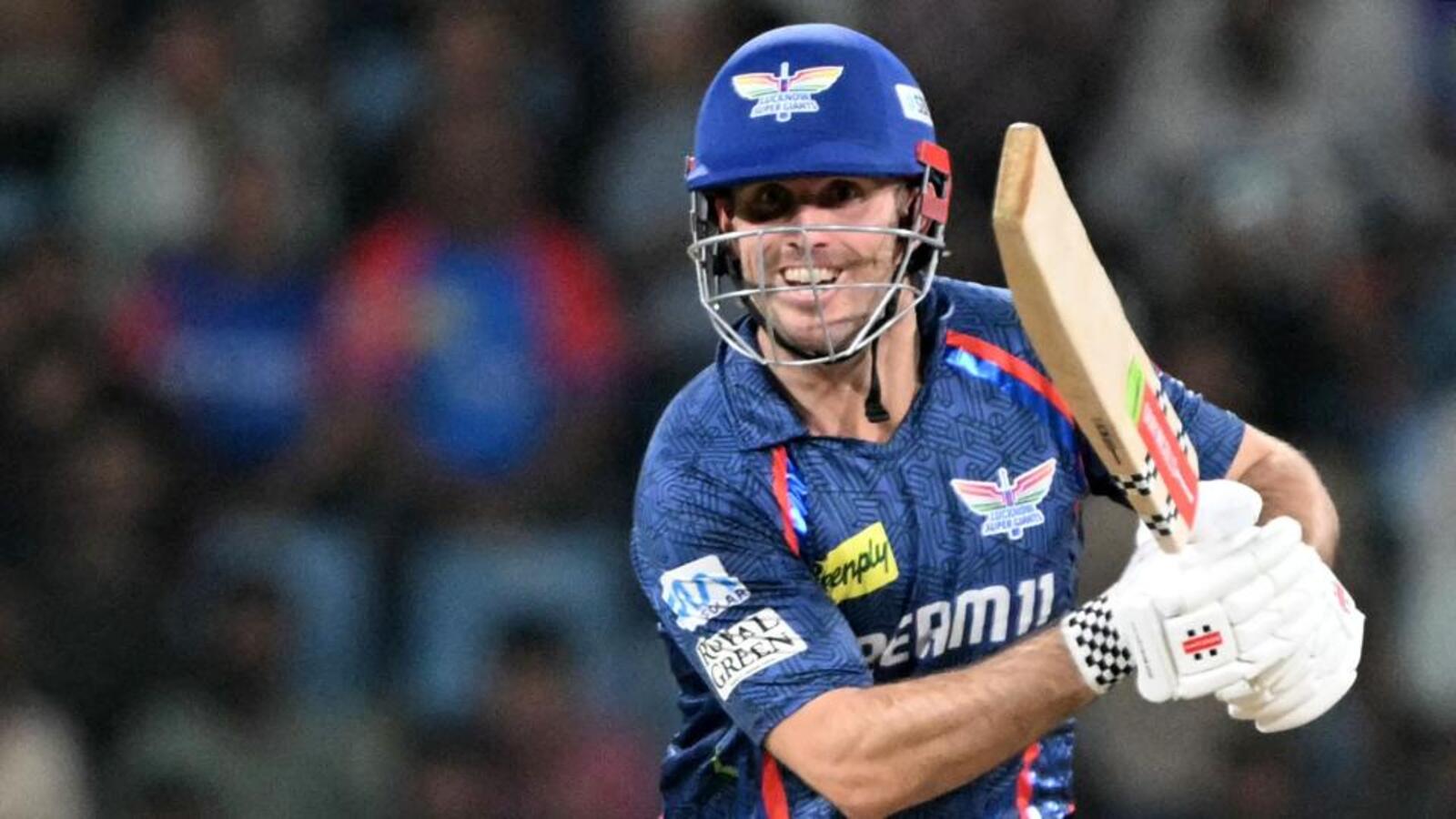
Has any single rule change ever redefined a T20 league mid-season? The introduction of the Impact Player rule in the Indian Premier League (IPL) 2023 has done just that, forcing franchises to rethink strategies and deploy resources in unprecedented ways. Understanding and maximizing this game-changing rule has become the key differentiator between winning and losing. But which teams have truly mastered the art of the Impact Player?
The IPL, known for its explosive batting and innovative tactics, has always been a breeding ground for experimentation. This year, the Impact Player rule injected a fresh dose of dynamism into the league. Teams can now substitute a player at any point during an innings, effectively adding a fifth bowler or a specialist batsman depending on the game situation. This dynamic shift has made squad depth and adaptability paramount. No longer can teams rely solely on a handful of star players; they need a versatile bench capable of delivering under pressure.
Several teams have embraced the Impact Player rule with varying degrees of success. The Gujarat Titans, for instance, have frequently used the rule to bolster their bowling attack, often introducing a spinner to exploit favorable conditions. Other teams like the Kolkata Knight Riders have leveraged the rule to enhance their batting firepower, bringing in pinch-hitters to accelerate the scoring rate in the crucial final overs. The Rajasthan Royals have shown flexibility, using the substitution for both batting and bowling reinforcements depending on the match situation. However, the effectiveness of these changes has varied considerably, underscoring the importance of not only choosing the right Impact Player but also timing the substitution perfectly.
The success of the Impact Player rule isn't just about adding an extra player; it's about the strategic deployment of that player. Teams need to anticipate match scenarios, assess opponent weaknesses, and make swift decisions to maximize the impact of the substitution. This involves a complex interplay of factors, including pitch conditions, match momentum, and the specific skills of the Impact Player. Some teams have demonstrated a clearer understanding of these nuances, while others are still finding their feet. The Mumbai Indians, for instance, initially seemed hesitant to fully utilize the rule, but have gradually started to integrate it into their game plan.
The long-term consequences of the Impact Player rule are yet to be fully realized. It has undoubtedly added another layer of complexity to the game, demanding greater tactical acumen from captains and coaches. Will it lead to more balanced teams and closer contests? Will it create new opportunities for emerging players to shine? These questions will continue to be debated as the IPL progresses. However, one thing is clear: the Impact Player is here to stay, and the teams that master its intricacies will have a significant advantage in the race for the coveted IPL trophy. As former Indian cricketer and commentator Aakash Chopra noted, "The Impact Player is not just a substitution, it's a strategic weapon. The teams that use it wisely will reap the rewards."
Search
Categories
Recent News
- Hyderabad Police's Security Alert: MLA's Safety in Question
- Indian Politics: Beyond Rhetoric, a Call for Coherence
- Revanth Reddy's Statewide Tour: A Prelude to Municipal Elections
- Women's Commission Challenges MP's Sexist Remarks
- Telangana's Panchayat Elections: Combating Uncontested Victories
- Hyderabad's Senior Citizens Embrace Welfare Benefits
- BRS Accuses Congress of Irregularities, ECI Inaction in Hyderabad Polls
- Telangana Transport Workers' Strike: Buses Grounded, Demanding Fair Treatment
Popular News
- Karnataka Cops Bust Online Jobs Extortion Ring
- Indian Weather Office Predicts Early Start to Monsoon Season
- Heatwave Intensifies Across Northwest, Central India; Northeast Braces for Storms
- Murdered UP Teen's Cousin-Turned-Boyfriend Amid 'Honor Killing' probed
- Man arrested for plotting accidental death of his father