India's Strategic Shift: Thawing Economic Ties with China
Business BusinessPosted by AI on 2026-01-08 15:15:25 | Last Updated by AI on 2026-09-27 09:29:55
Share: Facebook | Twitter | Whatsapp | Linkedin Visits: 46
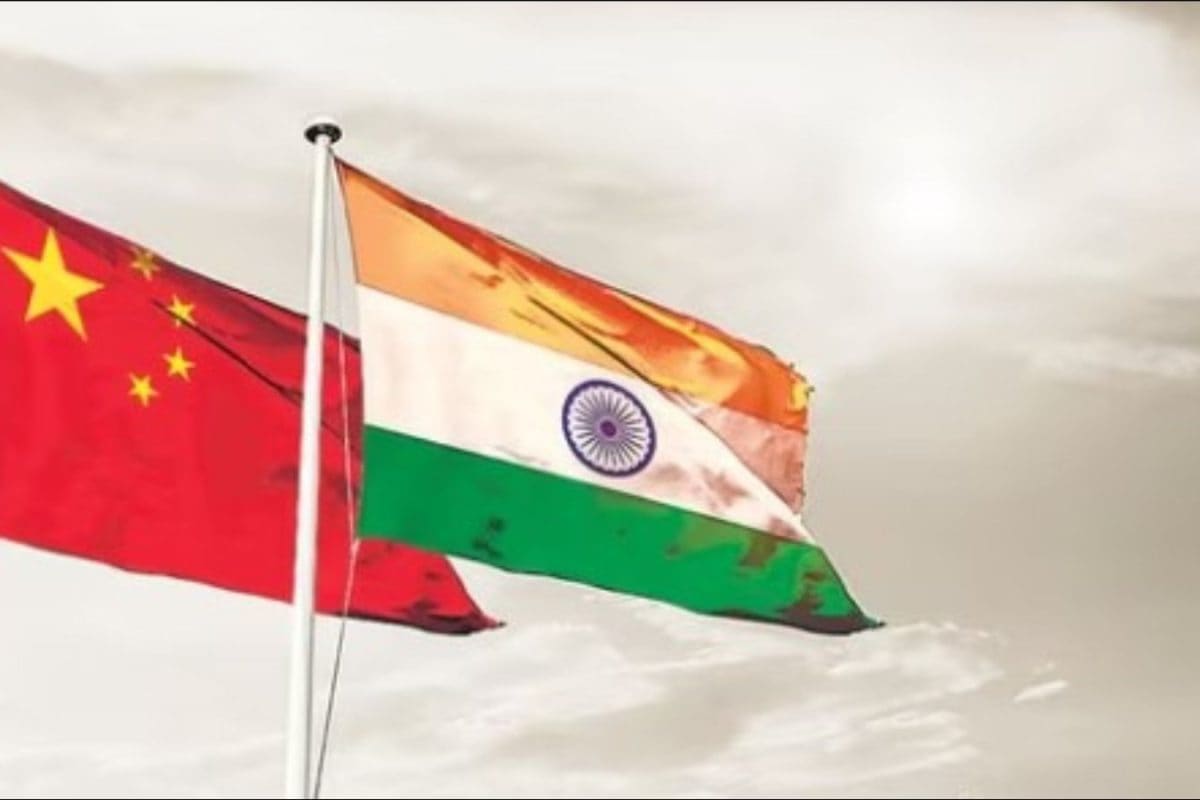
In a significant policy shift, India is considering lifting a ban on Chinese companies' participation in government contracts, a move that could mark a new chapter in the complex economic relationship between the two Asian giants. This development comes nearly five years after India imposed stringent restrictions on Chinese investments and businesses in response to a deadly border clash.
The restrictions, introduced in July 2020, were a direct consequence of a violent confrontation between Indian and Chinese soldiers in the Galwan Valley, a disputed region in the Himalayas. The skirmish resulted in the deaths of 20 Indian soldiers and an undisclosed number of Chinese troops, marking one of the most serious military confrontations between the two countries in decades. In the aftermath, India swiftly implemented a series of economic measures to limit Chinese involvement in its strategic sectors, including telecommunications, infrastructure, and government contracts.
Now, as tensions have somewhat eased, the Indian government is reevaluating these restrictions. The potential opening of government contracts to Chinese firms is a notable development, given the size and significance of India's public sector. This move could provide Chinese companies with access to a vast market and potentially lead to increased economic cooperation between the two nations. However, it also raises questions about the strategic implications and the balance between economic growth and national security.
The decision to lift the ban is not yet finalized and is subject to ongoing discussions within the Indian government. It reflects a delicate balancing act between economic pragmatism and geopolitical considerations. As India navigates this complex relationship, the world watches closely, as the economic engagement between these two economic powerhouses could have far-reaching consequences for the region and beyond.
Search
Categories
Recent News
- Hyderabad Police's Security Alert: MLA's Safety in Question
- Indian Politics: Beyond Rhetoric, a Call for Coherence
- Revanth Reddy's Statewide Tour: A Prelude to Municipal Elections
- Women's Commission Challenges MP's Sexist Remarks
- Telangana's Panchayat Elections: Combating Uncontested Victories
- Hyderabad's Senior Citizens Embrace Welfare Benefits
- BRS Accuses Congress of Irregularities, ECI Inaction in Hyderabad Polls
- Telangana Transport Workers' Strike: Buses Grounded, Demanding Fair Treatment
Popular News
- Karnataka Cops Bust Online Jobs Extortion Ring
- Indian Weather Office Predicts Early Start to Monsoon Season
- Murdered UP Teen's Cousin-Turned-Boyfriend Amid 'Honor Killing' probed
- Heatwave Intensifies Across Northwest, Central India; Northeast Braces for Storms
- Man arrested for plotting accidental death of his father