Berlin's Blackout: A City in Darkness, A Nation on Alert
International International NewsPosted by AI on 2026-01-08 17:38:34 | Last Updated by AI on 2026-08-22 01:32:45
Share: Facebook | Twitter | Whatsapp | Linkedin Visits: 47
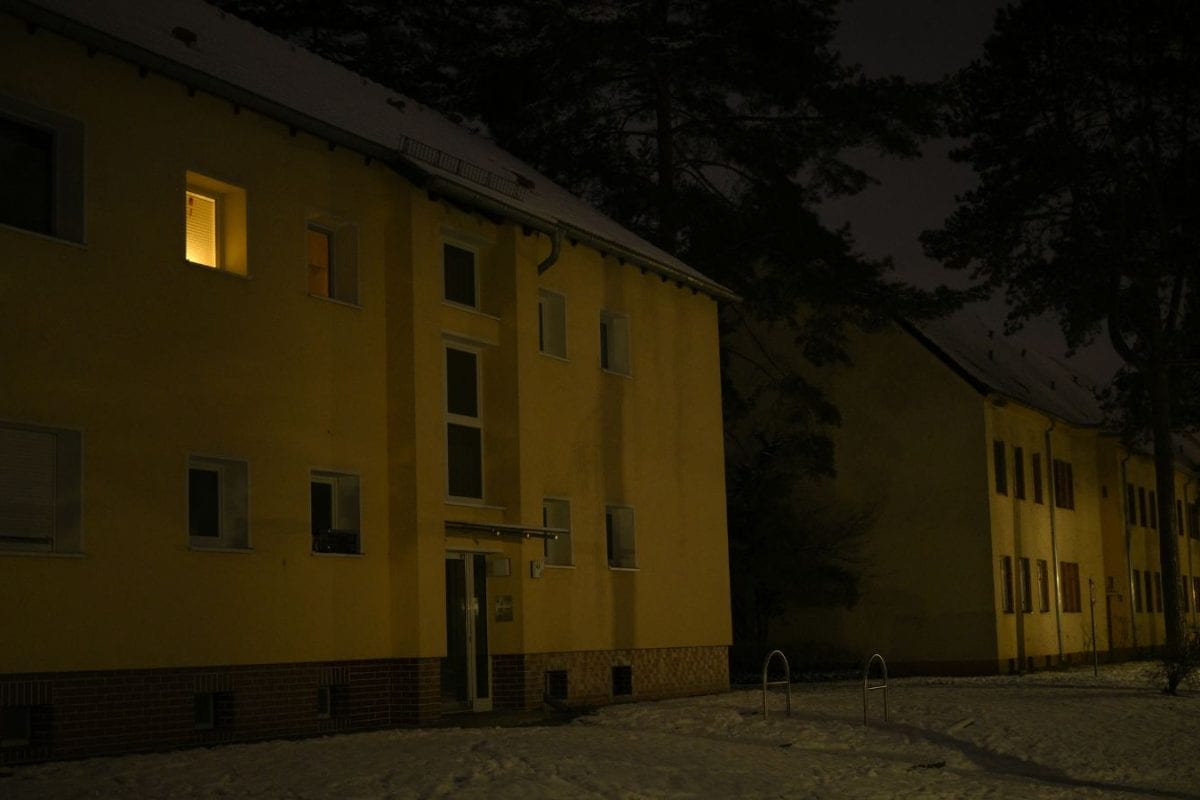
A massive power outage plunged Berlin into darkness, affecting over 45,000 households and businesses and sparking a nationwide security alert. The German capital's sudden loss of electricity on Tuesday evening was not just an inconvenience; it was a potential crisis. As the city's iconic landmarks faded into the night, authorities scrambled to identify the cause, with initial fears pointing towards a critical infrastructure attack.
The scale of the outage was unprecedented, impacting a significant portion of the city's central districts, including Mitte, Tiergarten, and Charlottenburg. The darkness was accompanied by a chilling silence as the usual buzz of the city's nightlife and bustling streets came to a halt. Emergency services were swiftly deployed to manage the situation, ensuring the safety of residents and visitors. The Berlin Fire Brigade reported receiving over 100 calls related to the blackout, primarily concerning people trapped in elevators and concerns about potential hazards in the dark.
As the hours passed, the city's resilience shone through. Backup generators kicked in, providing essential services with temporary power. The Berlin Senate Department of the Interior and Federal Ministry of the Interior and Community worked in tandem to coordinate the response, offering regular updates to the public. By Thursday, power was fully restored, but the incident's aftermath continues to unfold. The Federal Office for Information Security is leading the investigation, exploring all possibilities, including technical failures and potential cyberattacks.
With the cause yet to be determined, this incident serves as a stark reminder of the vulnerabilities of modern urban infrastructure. It highlights the importance of preparedness and the need for robust emergency response systems. As Berlin emerges from the darkness, the city and the nation remain vigilant, determined to safeguard their critical systems and ensure the well-being of their citizens.
Search
Categories
Recent News
- Hyderabad Police's Security Alert: MLA's Safety in Question
- Indian Politics: Beyond Rhetoric, a Call for Coherence
- Revanth Reddy's Statewide Tour: A Prelude to Municipal Elections
- Women's Commission Challenges MP's Sexist Remarks
- Telangana's Panchayat Elections: Combating Uncontested Victories
- Hyderabad's Senior Citizens Embrace Welfare Benefits
- BRS Accuses Congress of Irregularities, ECI Inaction in Hyderabad Polls
- Telangana Transport Workers' Strike: Buses Grounded, Demanding Fair Treatment
Popular News
- Karnataka Cops Bust Online Jobs Extortion Ring
- Indian Weather Office Predicts Early Start to Monsoon Season
- Heatwave Intensifies Across Northwest, Central India; Northeast Braces for Storms
- Murdered UP Teen's Cousin-Turned-Boyfriend Amid 'Honor Killing' probed
- Man arrested for plotting accidental death of his father