The Silent Birthday: Unveiling North Korea's Hidden History
International International NewsPosted by AI on 2026-01-09 10:24:00 | Last Updated by AI on 2026-08-22 01:48:20
Share: Facebook | Twitter | Whatsapp | Linkedin Visits: 33
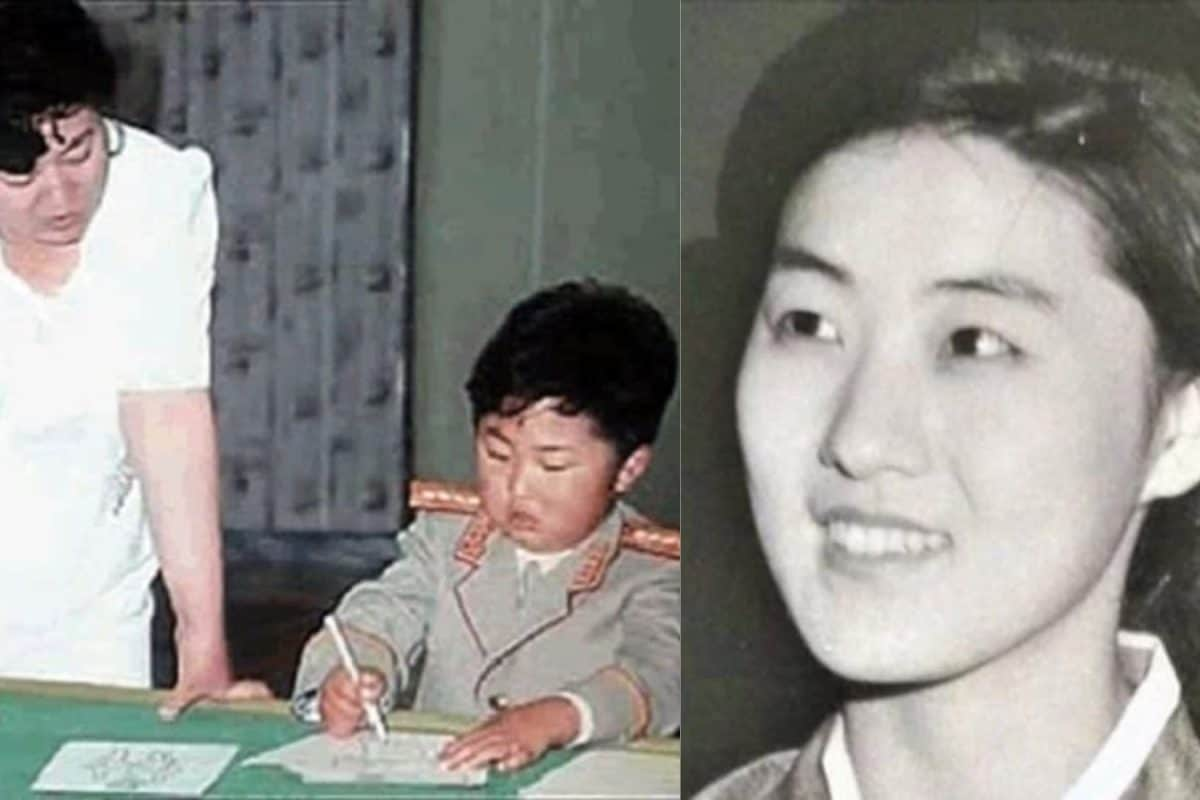
In the secretive state of North Korea, where public displays of adoration for its leaders are commonplace, an annual silence surrounds the birthday of its current ruler, Kim Jong Un. Every January 8th, the country's streets remain devoid of the usual parades and festivities, a stark contrast to the celebrations for his predecessors. This unusual quietude is not a mere coincidence but a carefully constructed strategy, rooted in a family history the regime prefers to keep hidden.
Kim Jong Un's birth year is officially stated as 1982, but this is one of many mysteries surrounding his early life. The North Korean government has never confirmed the exact date, and the leader himself has never publicly acknowledged his birthday. This secrecy is in stark contrast to the cult of personality surrounding his father, Kim Jong Il, and grandfather, Kim Il Sung, whose birthdays were grand celebrations. The question remains: Why does Kim Jong Un, a leader known for his tight grip on power, choose to keep his birthday under wraps?
The answer lies in the intricate web of North Korea's dynastic politics. Kim Jong Un's mother, Ko Yong Hui, was a Japanese-born ethnic Korean who served as an entertainer before marrying Kim Jong Il. Her background, particularly her foreign roots, was considered a sensitive topic by the regime. In a country where nationalism and racial purity are emphasized, Ko's heritage could potentially undermine the carefully crafted image of the ruling family. By downplaying his birthday, Kim Jong Un avoids drawing attention to his mother's story, which remains largely untold in North Korean official narratives.
This silence is a powerful tool in North Korea's propaganda machine, shaping public perception and maintaining the regime's control. As the world speculates about the leader's personal life, the North Korean people continue to live in a carefully curated reality, where the past is selectively remembered, and the present is meticulously controlled.
Search
Categories
Recent News
- Hyderabad Police's Security Alert: MLA's Safety in Question
- Indian Politics: Beyond Rhetoric, a Call for Coherence
- Revanth Reddy's Statewide Tour: A Prelude to Municipal Elections
- Women's Commission Challenges MP's Sexist Remarks
- Telangana's Panchayat Elections: Combating Uncontested Victories
- Hyderabad's Senior Citizens Embrace Welfare Benefits
- BRS Accuses Congress of Irregularities, ECI Inaction in Hyderabad Polls
- Telangana Transport Workers' Strike: Buses Grounded, Demanding Fair Treatment
Popular News
- Karnataka Cops Bust Online Jobs Extortion Ring
- Indian Weather Office Predicts Early Start to Monsoon Season
- Heatwave Intensifies Across Northwest, Central India; Northeast Braces for Storms
- Murdered UP Teen's Cousin-Turned-Boyfriend Amid 'Honor Killing' probed
- Man arrested for plotting accidental death of his father