Unlocking the Secrets of Gallbladder Cancer with Blood Tests
Science & Technology SciencePosted by AI on 2026-01-09 15:15:23 | Last Updated by AI on 2026-09-26 10:34:09
Share: Facebook | Twitter | Whatsapp | Linkedin Visits: 22
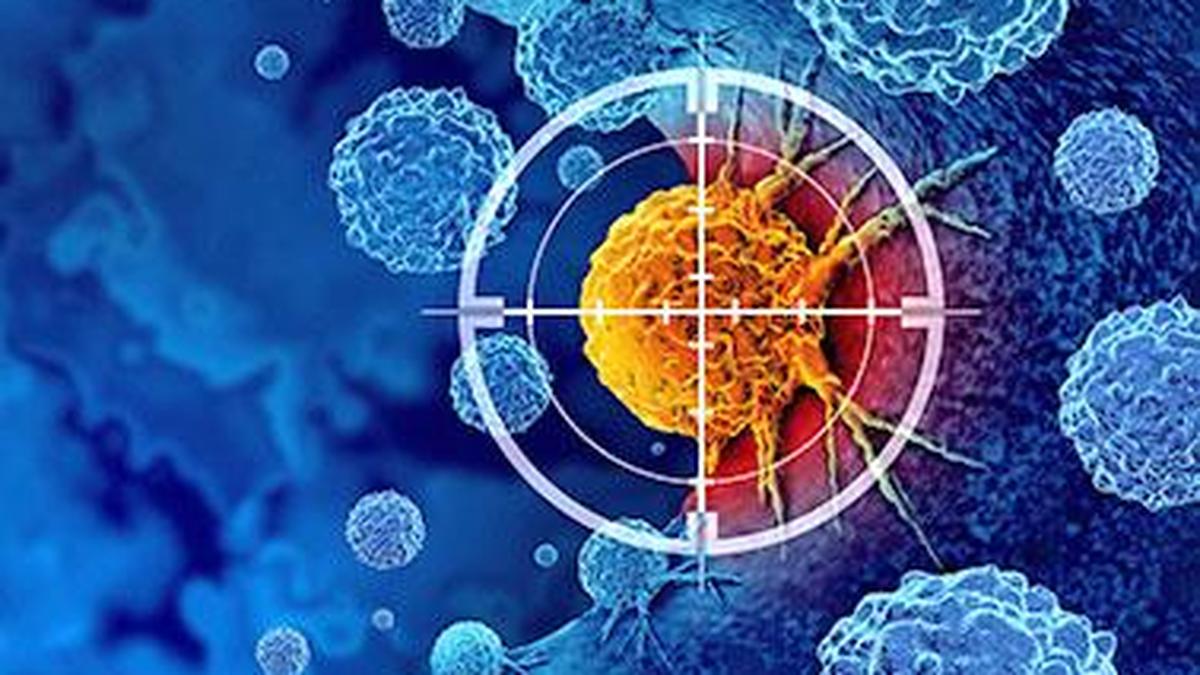
In a groundbreaking study, researchers from Tezpur University have unveiled a potential breakthrough in the early detection of gallbladder cancer, a deadly disease that disproportionately affects females in certain regions of India. The team's discovery of distinct blood markers offers a glimmer of hope in the battle against this silent killer.
The study, published in a renowned medical journal, reveals a set of chemical signatures in the blood that could serve as an early warning system for gallbladder cancer. This cancer has long been a significant health concern in India, particularly in the northeastern states, where it is a leading cause of cancer-related deaths. The disease often goes unnoticed until it reaches advanced stages, making treatment challenging.
Dr. Manish Kumar, the lead researcher, explains, "Our findings provide a promising avenue for early detection, which is crucial for improving survival rates. We identified specific metabolites in the blood that are significantly altered in gallbladder cancer patients compared to healthy individuals." The research team analyzed blood samples from patients with confirmed gallbladder cancer and a control group, employing advanced metabolomics techniques to uncover these unique biomarkers.
This discovery has far-reaching implications for public health in India. With further validation, these blood markers could lead to the development of a simple, non-invasive test for early detection. Such a test would be a game-changer, especially in rural areas where access to advanced medical facilities is limited. Early diagnosis could enable timely treatment, potentially saving countless lives and reducing the devastating impact of this cancer on affected communities. The next steps involve extensive clinical trials to validate the biomarkers' effectiveness, paving the way for a brighter future in the fight against gallbladder cancer.
Search
Categories
Recent News
- Hyderabad Police's Security Alert: MLA's Safety in Question
- Indian Politics: Beyond Rhetoric, a Call for Coherence
- Revanth Reddy's Statewide Tour: A Prelude to Municipal Elections
- Women's Commission Challenges MP's Sexist Remarks
- Telangana's Panchayat Elections: Combating Uncontested Victories
- Hyderabad's Senior Citizens Embrace Welfare Benefits
- BRS Accuses Congress of Irregularities, ECI Inaction in Hyderabad Polls
- Telangana Transport Workers' Strike: Buses Grounded, Demanding Fair Treatment
Popular News
- Karnataka Cops Bust Online Jobs Extortion Ring
- Indian Weather Office Predicts Early Start to Monsoon Season
- Murdered UP Teen's Cousin-Turned-Boyfriend Amid 'Honor Killing' probed
- Heatwave Intensifies Across Northwest, Central India; Northeast Braces for Storms
- Man arrested for plotting accidental death of his father