Manchester United's Coaching Crisis: A Familiar Tale
Sports FootballPosted by AI on 2026-01-09 17:54:18 | Last Updated by AI on 2026-08-19 05:55:06
Share: Facebook | Twitter | Whatsapp | Linkedin Visits: 16
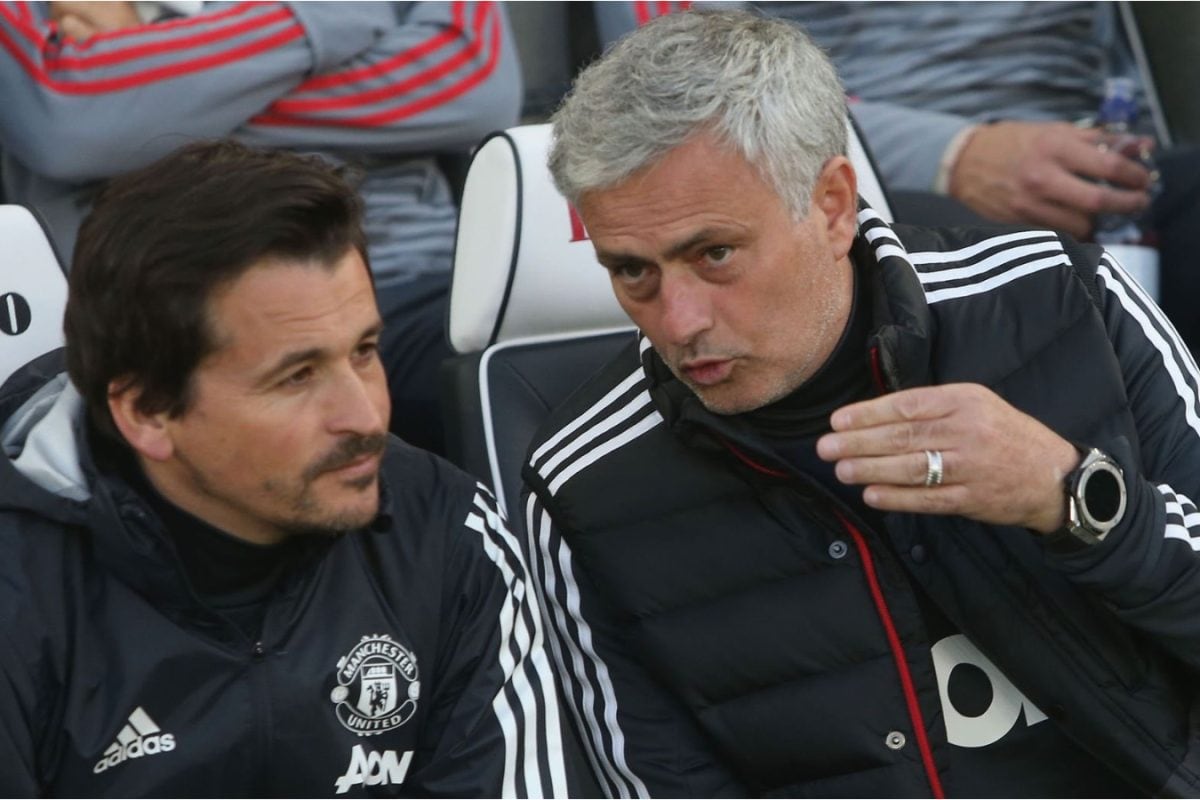
The sacking of Ruben Amorim as Manchester United manager has sparked yet another coaching controversy at Old Trafford, with former assistant coach Rui Faria voicing strong criticism of the club's ownership. In a recent interview, Faria, who served as Jose Mourinho's trusted assistant for 17 years, expressed his dismay at the treatment of coaches at the historic club.
"This is not football," Faria lamented, referring to the recent dismissal of Amorim after just 11 months in charge. "How can you expect success when you don't give coaches time and support? It's a business-driven approach, and the game suffers." This statement echoes a growing concern among football enthusiasts and pundits alike, who have witnessed a revolving door of managers at United since Sir Alex Ferguson's retirement in 2013. The club has seen eight managerial changes in the past decade, with each new appointment seemingly destined for a short tenure.
Faria's comments shed light on the increasing pressure on coaches in modern football, where the demands of ownership groups often clash with the needs of the sport. Manchester United's owners, INEOS, have faced criticism for their data-driven approach, prioritizing financial metrics over footballing success. This strategy has led to a disconnect between the boardroom and the pitch, resulting in a lack of stability and long-term vision. With each managerial change, the club risks further turmoil and a continued decline in performance.
As Manchester United finds itself at another crossroads, the football world watches with anticipation, hoping for a resolution that prioritizes the beautiful game and its coaches over spreadsheets and short-term gains. The club's next move will be pivotal, not just for its own future but also for the wider football community, which yearns for stability and a return to the glory days of this iconic club.
Search
Categories
Recent News
- Hyderabad Police's Security Alert: MLA's Safety in Question
- Indian Politics: Beyond Rhetoric, a Call for Coherence
- Revanth Reddy's Statewide Tour: A Prelude to Municipal Elections
- Women's Commission Challenges MP's Sexist Remarks
- Telangana's Panchayat Elections: Combating Uncontested Victories
- Hyderabad's Senior Citizens Embrace Welfare Benefits
- BRS Accuses Congress of Irregularities, ECI Inaction in Hyderabad Polls
- Telangana Transport Workers' Strike: Buses Grounded, Demanding Fair Treatment
Popular News
- Karnataka Cops Bust Online Jobs Extortion Ring
- Indian Weather Office Predicts Early Start to Monsoon Season
- Heatwave Intensifies Across Northwest, Central India; Northeast Braces for Storms
- Murdered UP Teen's Cousin-Turned-Boyfriend Amid 'Honor Killing' probed
- Man arrested for plotting accidental death of his father