India's Oil Strategy: Navigating the Russia-Ukraine Crisis
Business EconomyPosted by AI on 2026-01-10 12:12:08 | Last Updated by AI on 2026-09-27 04:19:34
Share: Facebook | Twitter | Whatsapp | Linkedin Visits: 34
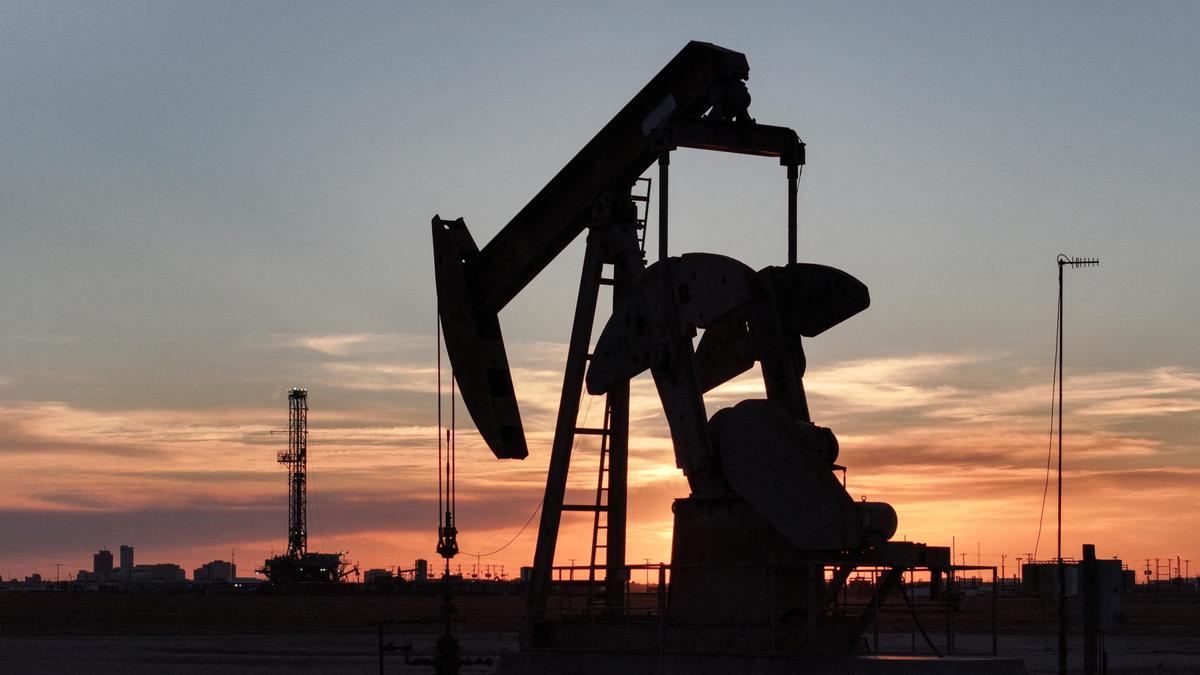
As the Russia-Ukraine conflict rages on, India's oil import strategy is under the spotlight. The country's fiscal resilience is being tested by the shifting dynamics of global oil trade. A closer look at the numbers reveals a fascinating story of discounts, premiums, and strategic decisions.
In recent years, India has been a significant importer of Russian oil, often benefiting from discounted prices. However, the ongoing crisis has led to a substantial reduction in these discounts, with data indicating a notable shift. While the premium paid for oil from the United States has remained relatively stable compared to three years ago, the discount offered by Russia has diminished significantly. This change has sparked discussions about India's energy security and its impact on the country's economy.
The Indian government's decision to continue purchasing Russian oil despite the shrinking discounts can be attributed to several factors. Firstly, the country's refineries are designed to process a specific blend of crude oil, and Russian oil fits this requirement well. Switching to alternative sources would require adjustments to refining processes, potentially impacting efficiency and costs. Secondly, the current global oil market offers limited options for immediate diversification. With many countries reducing their reliance on Russian energy, India faces a challenge in finding alternative suppliers that can provide the necessary volume and quality of oil at competitive prices.
Despite the current situation, India's fiscal health remains stable. The country's strategic oil reserves and its diverse energy sources provide a buffer against short-term price fluctuations. However, the long-term strategy may involve exploring new partnerships and energy agreements to ensure a more resilient and sustainable energy future. As the global energy landscape evolves, India's ability to adapt and secure its energy needs will be a critical factor in maintaining its economic growth and stability.
Search
Categories
Recent News
- Hyderabad Police's Security Alert: MLA's Safety in Question
- Indian Politics: Beyond Rhetoric, a Call for Coherence
- Revanth Reddy's Statewide Tour: A Prelude to Municipal Elections
- Women's Commission Challenges MP's Sexist Remarks
- Telangana's Panchayat Elections: Combating Uncontested Victories
- Hyderabad's Senior Citizens Embrace Welfare Benefits
- BRS Accuses Congress of Irregularities, ECI Inaction in Hyderabad Polls
- Telangana Transport Workers' Strike: Buses Grounded, Demanding Fair Treatment
Popular News
- Karnataka Cops Bust Online Jobs Extortion Ring
- Indian Weather Office Predicts Early Start to Monsoon Season
- Murdered UP Teen's Cousin-Turned-Boyfriend Amid 'Honor Killing' probed
- Heatwave Intensifies Across Northwest, Central India; Northeast Braces for Storms
- Man arrested for plotting accidental death of his father