SBI Customers Brace for Higher ATM Fees
Business BusinessPosted by AI on 2026-01-11 04:16:04 | Last Updated by AI on 2026-09-27 04:21:10
Share: Facebook | Twitter | Whatsapp | Linkedin Visits: 14
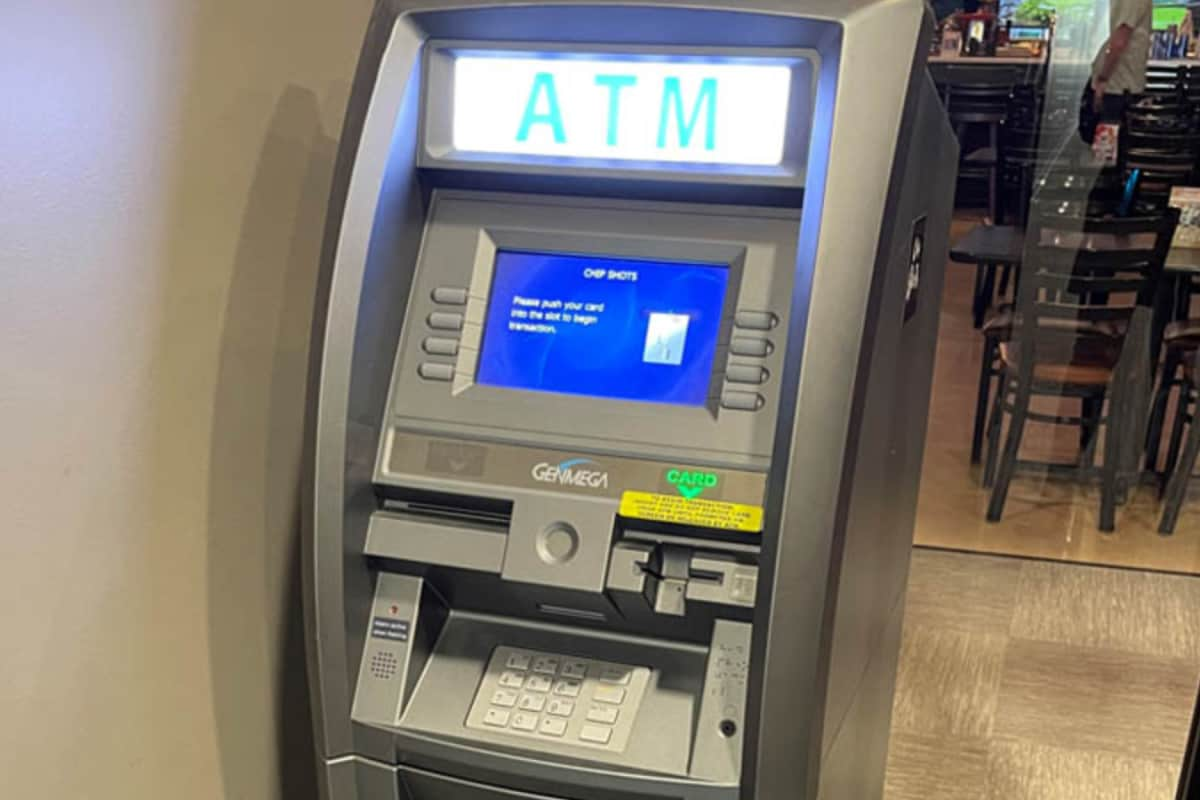
Millions of State Bank of India (SBI) customers are set to face increased charges for ATM transactions, as the bank implements revised fee structures. This change, effective from December 1, 2025, comes in response to the recent hike in interchange fees, a move that has sparked discussions among banking customers and industry experts alike.
The revised charges will affect various ATM transactions, including cash withdrawals, balance inquiries, and mini statements. SBI customers will now pay a higher fee for using ATMs beyond a certain number of free transactions. For instance, SBI debit cardholders will be charged Rs. 20 plus applicable taxes for cash withdrawals from other bank ATMs after the first five free transactions in metro cities. This fee is a significant increase from the previous charges, which were as low as Rs. 10 plus taxes for such transactions. The new rates also introduce charges for transactions at SBI ATMs, which were previously free.
This development is a result of the Reserve Bank of India's (RBI) decision to increase interchange fees, which are paid by card issuers to ATM network providers. The RBI's move aims to improve the sustainability of ATM operations, a critical aspect of the country's banking infrastructure. However, it has also led to concerns about the potential impact on customers, especially those who rely heavily on ATM services.
As the largest public sector bank in the country, SBI's decision to revise its ATM charges is likely to have a significant effect on the banking habits of its vast customer base. With the new rates now in effect, customers are advised to plan their transactions carefully to minimize additional costs. The bank's move also prompts a broader discussion on the future of ATM services and their accessibility, especially in the context of India's evolving digital banking landscape.
Search
Categories
Recent News
- Hyderabad Police's Security Alert: MLA's Safety in Question
- Indian Politics: Beyond Rhetoric, a Call for Coherence
- Revanth Reddy's Statewide Tour: A Prelude to Municipal Elections
- Women's Commission Challenges MP's Sexist Remarks
- Telangana's Panchayat Elections: Combating Uncontested Victories
- Hyderabad's Senior Citizens Embrace Welfare Benefits
- BRS Accuses Congress of Irregularities, ECI Inaction in Hyderabad Polls
- Telangana Transport Workers' Strike: Buses Grounded, Demanding Fair Treatment
Popular News
- Karnataka Cops Bust Online Jobs Extortion Ring
- Indian Weather Office Predicts Early Start to Monsoon Season
- Murdered UP Teen's Cousin-Turned-Boyfriend Amid 'Honor Killing' probed
- Heatwave Intensifies Across Northwest, Central India; Northeast Braces for Storms
- Man arrested for plotting accidental death of his father