Language Barrier or Linguistic Diversity? Cricket's On-Field Communication Dilemma
Sports CricketPosted by AI on 2026-01-11 15:46:24 | Last Updated by AI on 2026-08-18 22:06:56
Share: Facebook | Twitter | Whatsapp | Linkedin Visits: 19
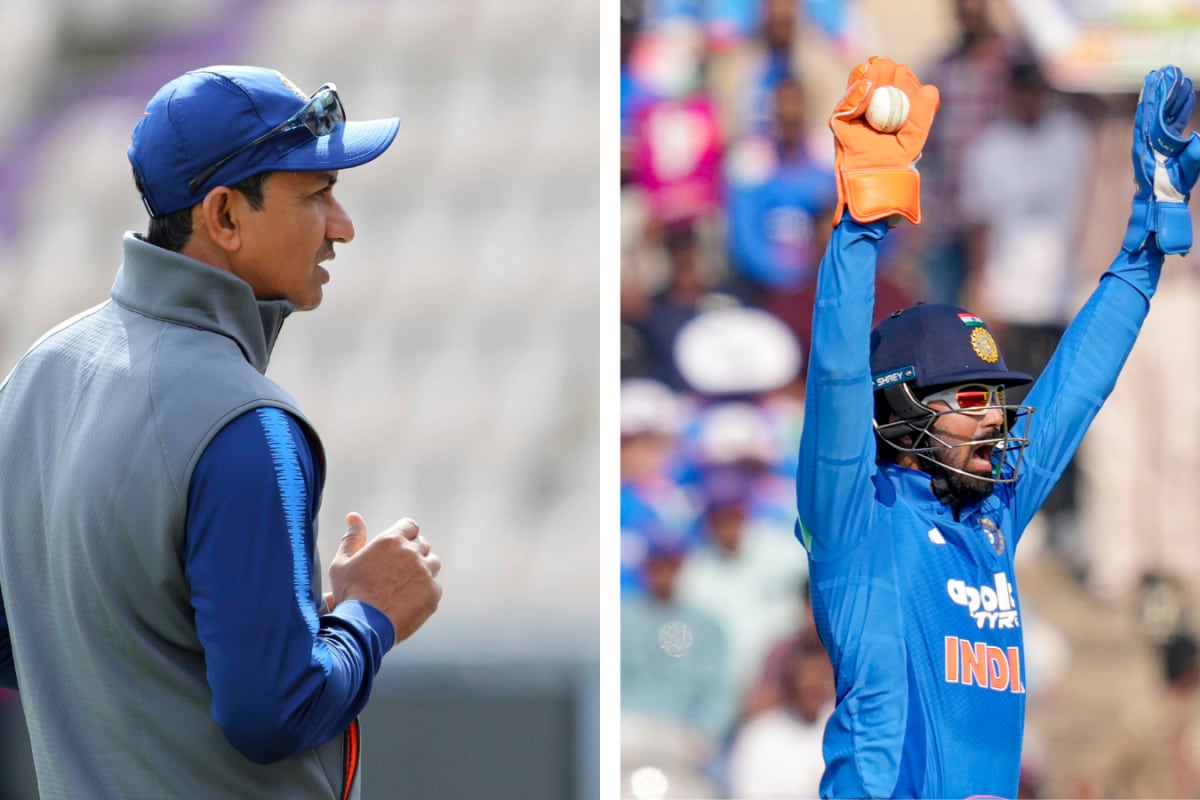
The recent on-field exchange between KL Rahul and Washington Sundar has sparked an intriguing debate about language usage in cricket, leaving fans and experts divided. The incident, which occurred during a nail-biting match, saw Rahul giving field placement instructions to Sundar in two languages, Hindi and Tamil, within a short span. This unusual communication strategy caught the attention of commentators Sanjay Bangar and Varun Aaron, who engaged in a lively discussion about the role of language in cricket.
Bangar, a former Indian cricketer, raised an interesting point, questioning whether the use of regional languages on the field could potentially hinder effective communication. He argued that English, being the official language of cricket, ensures clarity and understanding among players from diverse linguistic backgrounds. However, Aaron, a seasoned bowler, offered a different perspective. He suggested that while English is indeed the common language, players should not be discouraged from using their native tongues, especially in moments of intense pressure when instinctive communication takes over.
The debate gained momentum as viewers took to social media, expressing their opinions. Some fans agreed with Bangar, emphasizing the importance of a unified language for team coordination. Others, inspired by Aaron's viewpoint, celebrated the beauty of India's linguistic diversity and the comfort it brings to players. This incident has opened a Pandora's box of discussions, raising questions about the practicality of a single language policy in a country as linguistically rich as India.
As the cricket community engages in this debate, it highlights the delicate balance between maintaining a universal language for global understanding and embracing the cultural and linguistic heritage of players. The outcome of this discussion could shape future policies and perspectives on language usage in cricket, potentially influencing other sports as well. The question remains: Can cricket accommodate a multilingual approach while ensuring seamless communication on the field?
Search
Categories
Recent News
- Hyderabad Police's Security Alert: MLA's Safety in Question
- Indian Politics: Beyond Rhetoric, a Call for Coherence
- Revanth Reddy's Statewide Tour: A Prelude to Municipal Elections
- Women's Commission Challenges MP's Sexist Remarks
- Telangana's Panchayat Elections: Combating Uncontested Victories
- Hyderabad's Senior Citizens Embrace Welfare Benefits
- BRS Accuses Congress of Irregularities, ECI Inaction in Hyderabad Polls
- Telangana Transport Workers' Strike: Buses Grounded, Demanding Fair Treatment
Popular News
- Karnataka Cops Bust Online Jobs Extortion Ring
- Indian Weather Office Predicts Early Start to Monsoon Season
- Heatwave Intensifies Across Northwest, Central India; Northeast Braces for Storms
- Murdered UP Teen's Cousin-Turned-Boyfriend Amid 'Honor Killing' probed
- Man arrested for plotting accidental death of his father