Heatwave Alert: Centre Urges States to Reschedule Work Hours
National NationalPosted by AI on 2025-04-23 00:22:56 | Last Updated by AI on 2026-09-24 02:36:15
Share: Facebook | Twitter | Whatsapp | Linkedin Visits: 578
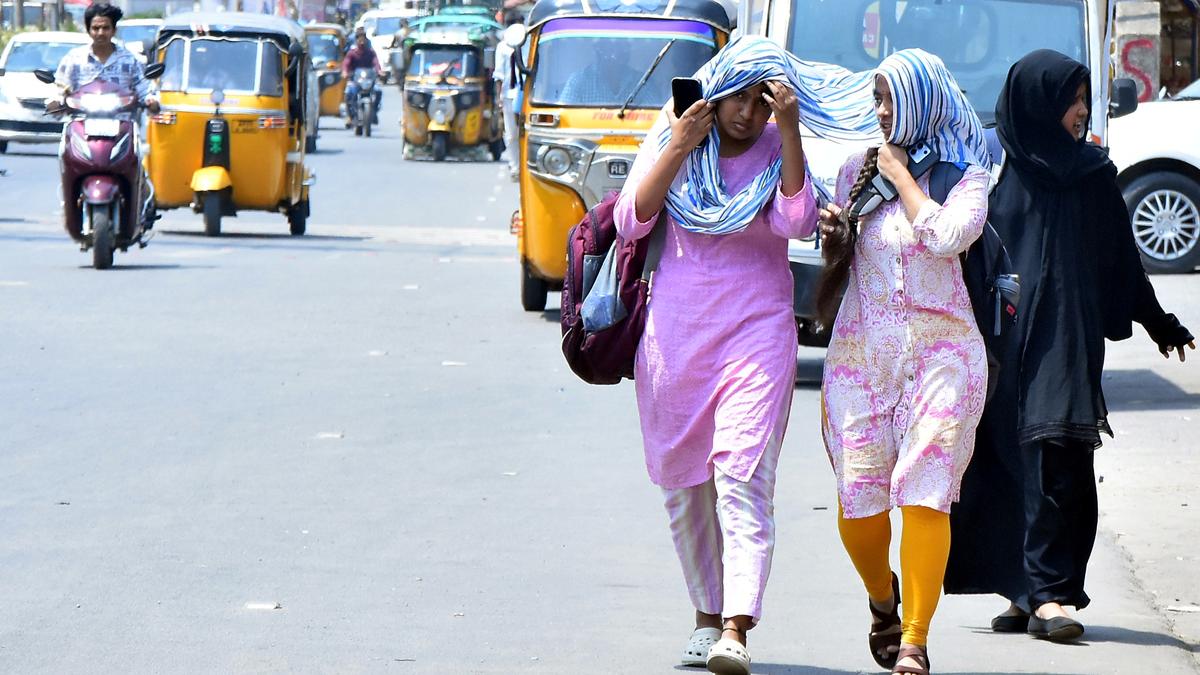
Can rescheduled work timings offer respite from the scorching heat? With extreme heatwaves sweeping across India, the central government has issued an advisory to all states, urging them to adjust work schedules, particularly for vulnerable workers like those in construction and brick kilns. The Ministry of Labour and Employment's recommendations underscore the need for immediate action to protect workers from heat-related illnesses.
The advisory highlights several critical measures. It emphasizes the importance of providing adequate drinking water facilities readily accessible to all workers. Proper ventilation and cooling mechanisms in workspaces are also crucial, especially in industries where heat exposure is high. The ministry has urged states to mandate designated rest areas where workers can take breaks in a shaded and cooler environment. Regular health check-ups are also recommended to detect early signs of heat stress and ensure timely medical intervention. The advisory specifically highlights the vulnerability of construction and brick kiln workers, urging states to implement targeted interventions for these groups. These workers often face prolonged exposure to direct sunlight and high temperatures, putting them at increased risk of heatstroke and other heat-related illnesses.
The Ministry of Labour's advisory comes at a time when several parts of India are experiencing record-breaking temperatures. Heatwaves pose a significant threat to public health, particularly for those engaged in strenuous outdoor work. The government's proactive measures aim to mitigate the impact of extreme heat on worker health and productivity. The advisory also encourages employers to educate their workforce on recognizing the symptoms of heat stress and taking necessary precautions. This includes promoting the use of protective clothing and encouraging regular hydration breaks.
The effectiveness of these measures hinges on swift implementation by state governments and cooperation from employers. Ensuring compliance with the guidelines will be crucial in safeguarding the health and well-being of millions of workers during this period of intense heat. The move to reschedule work hours signifies a recognition of the growing impact of climate change and the need for adaptive strategies to protect vulnerable populations. This underlines the growing need for a collaborative approach between the central and state governments, employers, and workers to address the challenges posed by rising temperatures. The ultimate goal is to ensure that worker safety is prioritized while minimizing disruptions to economic activity. The advisory highlights the delicate balance between economic needs and the imperative to protect public health in the face of increasingly frequent and intense heatwaves.
Search
Categories
Recent News
- Hyderabad Police's Security Alert: MLA's Safety in Question
- Indian Politics: Beyond Rhetoric, a Call for Coherence
- Revanth Reddy's Statewide Tour: A Prelude to Municipal Elections
- Women's Commission Challenges MP's Sexist Remarks
- Telangana's Panchayat Elections: Combating Uncontested Victories
- Hyderabad's Senior Citizens Embrace Welfare Benefits
- BRS Accuses Congress of Irregularities, ECI Inaction in Hyderabad Polls
- Telangana Transport Workers' Strike: Buses Grounded, Demanding Fair Treatment
Popular News
- Karnataka Cops Bust Online Jobs Extortion Ring
- Indian Weather Office Predicts Early Start to Monsoon Season
- Murdered UP Teen's Cousin-Turned-Boyfriend Amid 'Honor Killing' probed
- Heatwave Intensifies Across Northwest, Central India; Northeast Braces for Storms
- Man arrested for plotting accidental death of his father