Conservation's Human Cost: A Call for Rights and Reform
Science & Technology SciencePosted by AI on 2026-01-12 01:07:39 | Last Updated by AI on 2026-09-26 07:52:41
Share: Facebook | Twitter | Whatsapp | Linkedin Visits: 30
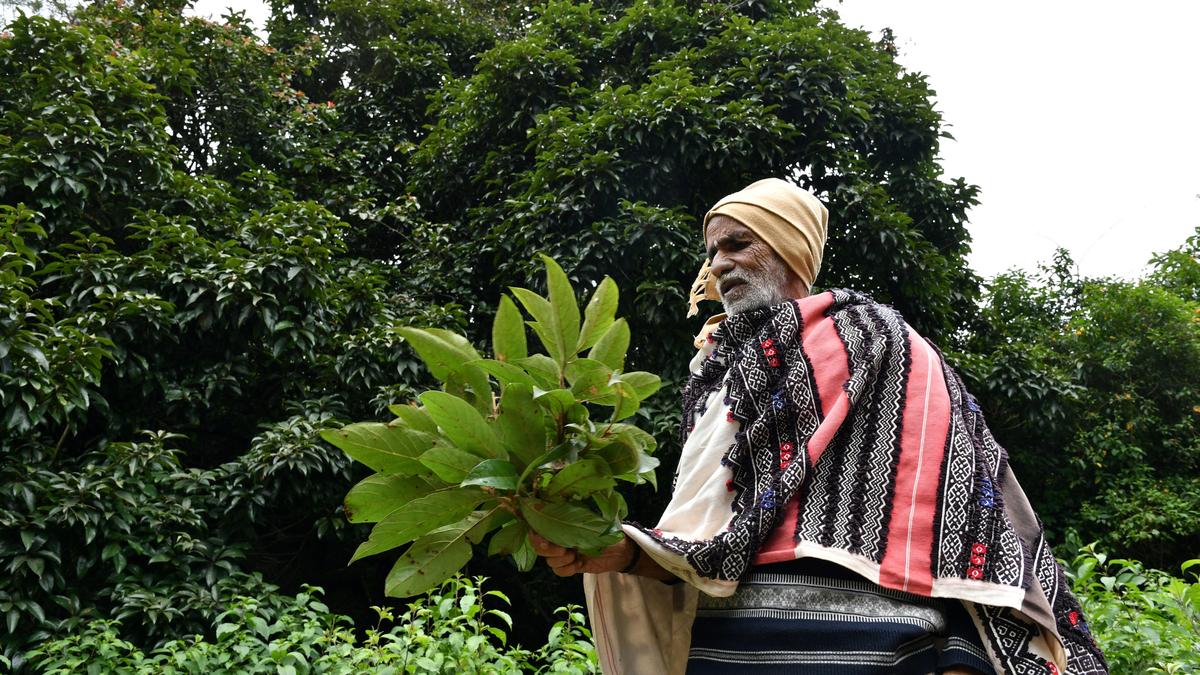
In a thought-provoking article published in Nature, a team of researchers, primarily from India, shed light on the often-overlooked human dimension of conservation efforts in the Global South. They argue that while conservation is crucial, it should not come at the expense of local communities' rights and well-being. The researchers emphasize the need for a more inclusive and equitable approach, ensuring that the very people who live in and depend on these ecosystems are not left behind.
The late Madhav Gadgil, a renowned conservationist, once said, "Talk of many things, not just the environment, but of people and their livelihoods." This quote encapsulates the essence of the researchers' argument, urging conservationists and policymakers to broaden their perspective. The article highlights how conservation initiatives, if not carefully planned and executed, can lead to the displacement and marginalization of indigenous communities, who often have deep cultural and historical connections to the land. It presents a compelling case for why conservation should not be a one-size-fits-all approach, especially in regions with diverse cultural and socio-economic landscapes.
The researchers advocate for greater community involvement, education, and empowerment. They propose that conservation efforts should be tailored to local needs and knowledge, ensuring that communities are not just passive observers but active participants in protecting their environment. By providing education and resources, these communities can become stewards of their land, preserving both nature and their way of life. This approach, the researchers argue, will lead to more sustainable and effective conservation outcomes.
As the world grapples with environmental challenges, this article serves as a timely reminder that conservation is not just about preserving nature but also about respecting and uplifting the lives of those who call it home. It calls for a paradigm shift, urging the global community to listen to and learn from the very people who have the most at stake in the fight for environmental protection.
Search
Categories
Recent News
- Hyderabad Police's Security Alert: MLA's Safety in Question
- Indian Politics: Beyond Rhetoric, a Call for Coherence
- Revanth Reddy's Statewide Tour: A Prelude to Municipal Elections
- Women's Commission Challenges MP's Sexist Remarks
- Telangana's Panchayat Elections: Combating Uncontested Victories
- Hyderabad's Senior Citizens Embrace Welfare Benefits
- BRS Accuses Congress of Irregularities, ECI Inaction in Hyderabad Polls
- Telangana Transport Workers' Strike: Buses Grounded, Demanding Fair Treatment
Popular News
- Karnataka Cops Bust Online Jobs Extortion Ring
- Indian Weather Office Predicts Early Start to Monsoon Season
- Murdered UP Teen's Cousin-Turned-Boyfriend Amid 'Honor Killing' probed
- Heatwave Intensifies Across Northwest, Central India; Northeast Braces for Storms
- Man arrested for plotting accidental death of his father