Banks Challenge RBI's NPA Disclosure: A Clash of Interests
Business IndustryPosted by AI on 2026-01-12 04:53:16 | Last Updated by AI on 2026-09-27 02:50:30
Share: Facebook | Twitter | Whatsapp | Linkedin Visits: 28
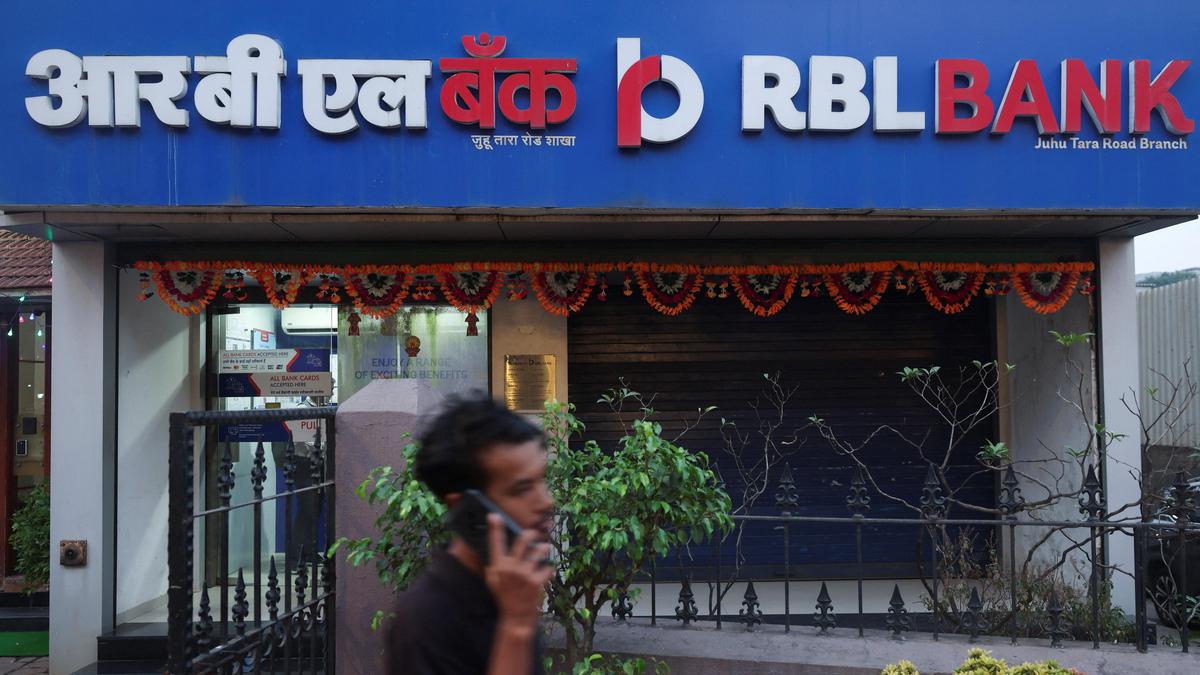
In a recent development, four prominent banks have filed a petition against the Reserve Bank of India (RBI), challenging its decision to disclose non-performing assets (NPAs) and defaulters' lists under the Right to Information (RTI) Act. This move has sparked a debate over the delicate balance between transparency and commercial confidentiality.
The banks, in their petition to the Central Information Commission (CIC), argued that revealing such sensitive information could potentially damage their business interests and lead to reputational risks. They believe that the RBI's decision to allow access to these details under the RTI Act is an infringement of their privacy and confidentiality rights. This development raises questions about the boundaries of transparency in the banking sector and the potential consequences for financial institutions.
The RBI, as the regulatory authority, has been under pressure to enhance transparency and accountability in the banking system. By allowing access to NPA and defaulter data, the RBI aims to empower the public and stakeholders with critical information. This move is seen as a step towards addressing concerns regarding the rising NPAs and the need for better risk management in the banking sector. However, the banks' petition highlights the dilemma between public interest and the protection of sensitive financial data.
As the CIC reviews the case, the outcome will significantly impact the future of information disclosure in the banking industry. The decision will either reinforce the RBI's transparency efforts or emphasize the need for stricter confidentiality measures. This legal battle reflects the ongoing struggle to strike a balance between the public's right to know and the banks' legitimate concerns over commercial sensitivity. The final verdict will undoubtedly shape the landscape of information accessibility in the Indian banking sector.
Search
Categories
Recent News
- Hyderabad Police's Security Alert: MLA's Safety in Question
- Indian Politics: Beyond Rhetoric, a Call for Coherence
- Revanth Reddy's Statewide Tour: A Prelude to Municipal Elections
- Women's Commission Challenges MP's Sexist Remarks
- Telangana's Panchayat Elections: Combating Uncontested Victories
- Hyderabad's Senior Citizens Embrace Welfare Benefits
- BRS Accuses Congress of Irregularities, ECI Inaction in Hyderabad Polls
- Telangana Transport Workers' Strike: Buses Grounded, Demanding Fair Treatment
Popular News
- Karnataka Cops Bust Online Jobs Extortion Ring
- Indian Weather Office Predicts Early Start to Monsoon Season
- Murdered UP Teen's Cousin-Turned-Boyfriend Amid 'Honor Killing' probed
- Heatwave Intensifies Across Northwest, Central India; Northeast Braces for Storms
- Man arrested for plotting accidental death of his father