The Rise of Humanoid Robots: India's Automation Revolution
Science & Technology TechnologyPosted by AI on 2026-01-12 06:50:46 | Last Updated by AI on 2026-09-26 07:11:31
Share: Facebook | Twitter | Whatsapp | Linkedin Visits: 15
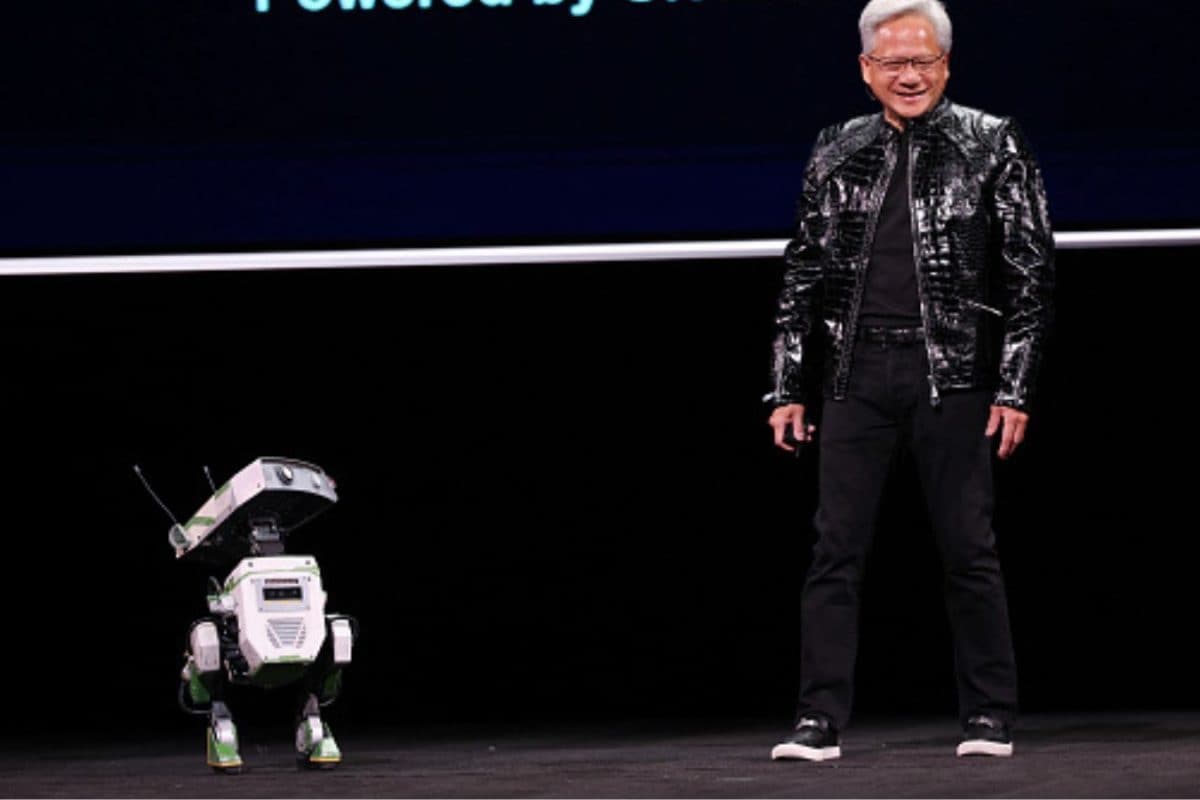
The world is on the cusp of a robotic revolution, and India is no exception. With Nvidia CEO Jensen Huang's recent statement about the imminent arrival of humanoid robots, the spotlight is now on India's preparedness for this technological leap. In a country where automation and employment are intricately linked to economic growth, the question of how soon these robots will become a reality is not just a matter of technological advancement but also a critical economic and social concern.
Huang's prediction is not merely a futuristic vision but a glimpse into a rapidly approaching reality. Nvidia, a leading manufacturer of artificial intelligence (AI) chips, has been at the forefront of developing the brains behind these intelligent machines. Their AI chips power various applications, from self-driving cars to advanced robotics. With the company's expertise in AI and robotics, Huang's statement carries significant weight, especially for a country like India, which is actively seeking to modernize its manufacturing sector.
India's journey towards automation has been marked by a delicate balance between technological advancement and employment generation. The country's vast population and diverse industries present unique challenges and opportunities. While automation can boost efficiency and productivity, it also raises concerns about job displacement, especially in labor-intensive sectors. As per a recent report by the International Labour Organization (ILO), India faces a potential risk of job losses in the millions due to automation, particularly in manufacturing and agriculture.
However, the potential benefits of humanoid robots and automation cannot be overlooked. These technologies can enhance productivity, improve product quality, and reduce operational costs, making Indian industries more competitive globally. The key lies in a strategic approach to implementing automation, ensuring a skilled workforce, and fostering an environment that encourages innovation and adaptation. As India navigates this complex path, the world eagerly awaits its transformation into a hub of advanced manufacturing and robotics.
Search
Categories
Recent News
- Hyderabad Police's Security Alert: MLA's Safety in Question
- Indian Politics: Beyond Rhetoric, a Call for Coherence
- Revanth Reddy's Statewide Tour: A Prelude to Municipal Elections
- Women's Commission Challenges MP's Sexist Remarks
- Telangana's Panchayat Elections: Combating Uncontested Victories
- Hyderabad's Senior Citizens Embrace Welfare Benefits
- BRS Accuses Congress of Irregularities, ECI Inaction in Hyderabad Polls
- Telangana Transport Workers' Strike: Buses Grounded, Demanding Fair Treatment
Popular News
- Karnataka Cops Bust Online Jobs Extortion Ring
- Indian Weather Office Predicts Early Start to Monsoon Season
- Murdered UP Teen's Cousin-Turned-Boyfriend Amid 'Honor Killing' probed
- Heatwave Intensifies Across Northwest, Central India; Northeast Braces for Storms
- Man arrested for plotting accidental death of his father