India's Inflation Creeps Up: Food Prices on the Rise
Business BusinessPosted by AI on 2026-01-12 12:05:29 | Last Updated by AI on 2026-09-27 00:18:13
Share: Facebook | Twitter | Whatsapp | Linkedin Visits: 26
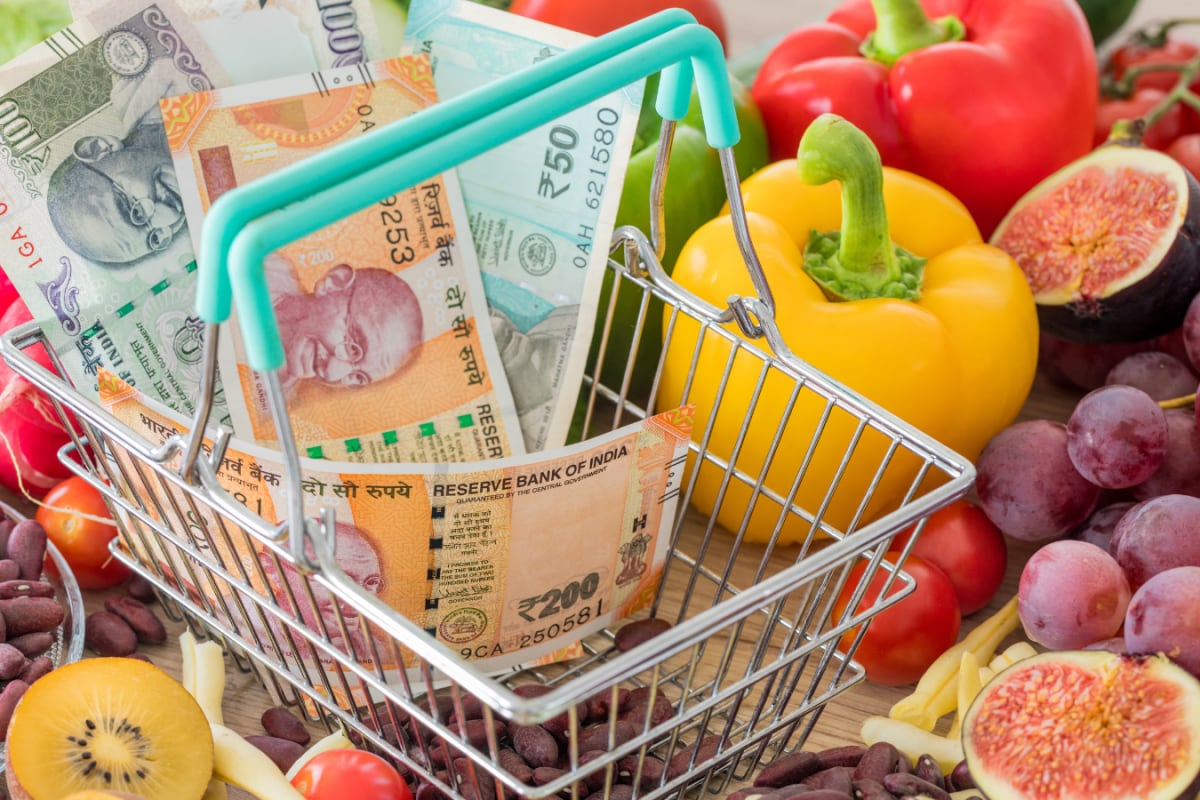
In a notable shift, India's retail inflation has experienced a substantial increase, reaching 1.33 percent in December 2025, according to the latest data from the Ministry of Statistics and Programme Implementation (MoSPI). This marks a significant rise from the 0.71 percent recorded in November, signaling a potential change in the country's economic landscape.
The primary driver of this inflationary trend is the food sector, which has seen a reversal of its deflationary course. Food prices, which had been on a downward spiral, contributing to the overall low inflation rate, have now started to inch upwards. This change is a cause for concern, especially for policymakers, as food inflation can have a direct impact on the cost of living for the average Indian citizen.
The MoSPI data reveals that the Consumer Price Index (CPI), a key indicator of retail inflation, has shown a steady increase over the past few months. This trend is a stark contrast to the previous months' data, which had consistently shown a decline in inflation rates. The sudden uptick in December is a cause for both economists and policymakers to take notice, as it may indicate a shift in the overall economic trajectory.
As the country closely monitors these developments, the focus will now be on the government's response and the measures it takes to manage inflation. With food prices on the rise, the authorities will need to ensure that the cost of essential goods remains affordable for the general public. The upcoming months will be crucial in determining the effectiveness of the government's economic policies and their ability to maintain a stable and controlled inflation rate.
Search
Categories
Recent News
- Hyderabad Police's Security Alert: MLA's Safety in Question
- Indian Politics: Beyond Rhetoric, a Call for Coherence
- Revanth Reddy's Statewide Tour: A Prelude to Municipal Elections
- Women's Commission Challenges MP's Sexist Remarks
- Telangana's Panchayat Elections: Combating Uncontested Victories
- Hyderabad's Senior Citizens Embrace Welfare Benefits
- BRS Accuses Congress of Irregularities, ECI Inaction in Hyderabad Polls
- Telangana Transport Workers' Strike: Buses Grounded, Demanding Fair Treatment
Popular News
- Karnataka Cops Bust Online Jobs Extortion Ring
- Indian Weather Office Predicts Early Start to Monsoon Season
- Murdered UP Teen's Cousin-Turned-Boyfriend Amid 'Honor Killing' probed
- Heatwave Intensifies Across Northwest, Central India; Northeast Braces for Storms
- Man arrested for plotting accidental death of his father