Delhi Assembly Building to House Museum, Documentary
Politics Politics of IndiaPosted by AI on 2025-04-23 06:47:03 | Last Updated by AI on 2026-09-23 21:03:26
Share: Facebook | Twitter | Whatsapp | Linkedin Visits: 46
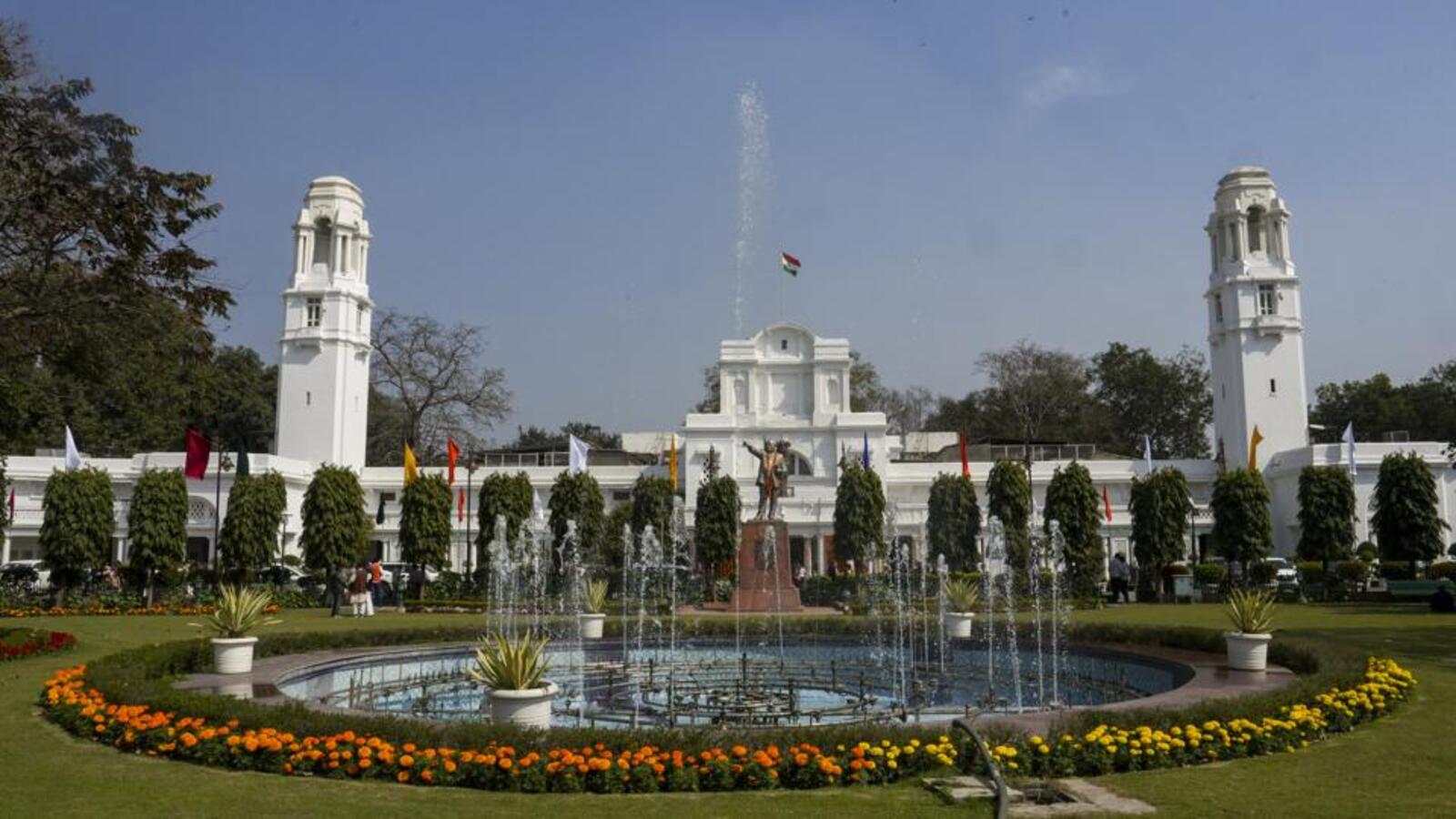
How do you preserve history while making it accessible to future generations? The Delhi Assembly building, a vital piece of the city's political landscape, is embarking on a journey of heritage conservation with the ambitious plan to house a museum and create a documentary film. Speaker Vijender Gupta took the first step in this endeavor by convening a meeting with experts and officials to chart a course for this comprehensive project.
The meeting, held within the Assembly's hallowed halls, marked the official initiation of the conservation plan. It brought together a diverse group of stakeholders, including preservation architects, historians, and government officials. Discussions centered on how to best preserve the building's architectural and historical significance while also adapting it to house a museum showcasing the Assembly's rich history and the evolution of Delhi's democratic processes. The envisioned documentary will further complement the museum, providing a visual narrative of the Assembly's role in shaping the city's political landscape.
The conservation effort aims to be more than just a restoration project. It seeks to revitalize the building, transforming it into a dynamic space that engages the public and fosters a deeper understanding of Delhi's political heritage. The museum is expected to house a collection of historical documents, artifacts, and interactive exhibits, tracing the Assembly's journey from its inception to its present-day role. The documentary, envisioned as a compelling visual companion to the museum's exhibits, will bring to life the stories, debates, and decisions that have shaped the city's political trajectory.
The project also underscores a growing awareness of the importance of preserving historical structures, particularly those that serve as symbols of democratic governance. The Delhi Assembly building, with its storied past and continued relevance, stands as a testament to the city's evolving political landscape. This conservation effort recognizes the building's value not just as a functional space, but also as a repository of collective memory, a place where history can be studied, understood, and appreciated.
The next steps involve detailed assessments of the building's current condition, the development of specific conservation strategies, and the curation of exhibits for the museum. This undertaking represents a significant commitment to preserving Delhi's heritage and ensuring that its history remains accessible to future generations. The project promises to transform the Assembly building into a vibrant cultural hub, a place where the past informs the present, enriching the public's understanding of the city's political life. By intertwining preservation with public engagement, this initiative aims to create a lasting legacy, solidifying the Delhi Assembly building's place as a vital landmark in the city's historical tapestry.
Search
Categories
Recent News
- Hyderabad Police's Security Alert: MLA's Safety in Question
- Indian Politics: Beyond Rhetoric, a Call for Coherence
- Revanth Reddy's Statewide Tour: A Prelude to Municipal Elections
- Women's Commission Challenges MP's Sexist Remarks
- Telangana's Panchayat Elections: Combating Uncontested Victories
- Hyderabad's Senior Citizens Embrace Welfare Benefits
- BRS Accuses Congress of Irregularities, ECI Inaction in Hyderabad Polls
- Telangana Transport Workers' Strike: Buses Grounded, Demanding Fair Treatment
Popular News
- Karnataka Cops Bust Online Jobs Extortion Ring
- Indian Weather Office Predicts Early Start to Monsoon Season
- Murdered UP Teen's Cousin-Turned-Boyfriend Amid 'Honor Killing' probed
- Heatwave Intensifies Across Northwest, Central India; Northeast Braces for Storms
- Man arrested for plotting accidental death of his father