India and Germany Forge a Green Energy Alliance
Business EconomyPosted by AI on 2026-01-12 16:36:25 | Last Updated by AI on 2026-09-27 00:18:09
Share: Facebook | Twitter | Whatsapp | Linkedin Visits: 16
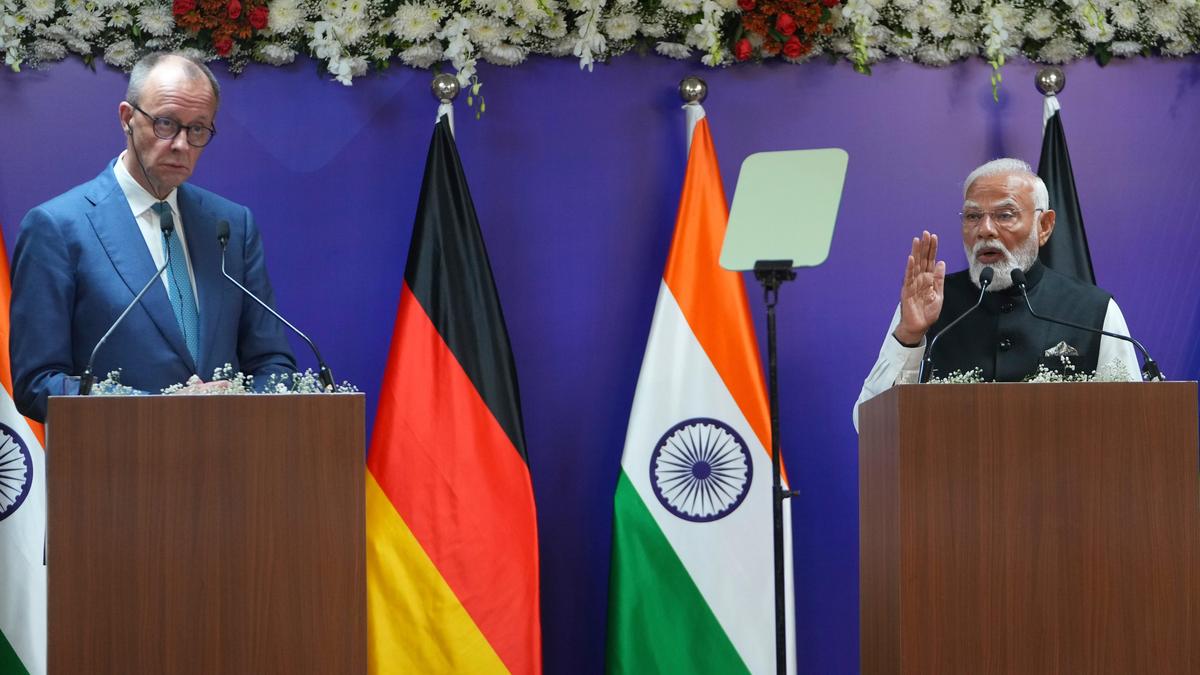
In a significant step towards fostering international collaboration in the energy sector, India's Petroleum and Natural Gas Regulatory Board (PNGRB) and Germany's German Technical and Scientific Association for Gas and Water (DVGW) signed a Memorandum of Understanding (MoU) on January 12th, 2024, during German Chancellor Friedrich Merz's official visit to India. This agreement aims to accelerate the integration of hydrogen into the natural gas infrastructure of both countries, marking a pivotal moment in their shared journey towards a sustainable energy future.
The MoU exchange took place in a ceremony attended by high-ranking officials from both nations, reflecting the importance of this collaboration. This strategic partnership is set to explore the potential of hydrogen as a clean energy carrier, offering a pathway to reduce carbon emissions and enhance energy security. With Germany's expertise in hydrogen technology and India's growing energy demands, this alliance could be a game-changer in the global energy landscape. The collaboration will focus on joint research and development, knowledge sharing, and the establishment of technical standards for hydrogen integration. By combining resources and expertise, India and Germany aim to create a sustainable and efficient energy system, reducing their carbon footprint and contributing to global climate goals.
This agreement is particularly timely as the world grapples with the challenges of transitioning to cleaner energy sources. The global energy crisis and the urgent need to mitigate climate change have pushed countries to seek innovative solutions. India, with its ambitious renewable energy targets, and Germany, a pioneer in hydrogen technology, are well-positioned to lead this transformation. The MoU is expected to facilitate the development of hydrogen infrastructure, including pipelines, storage facilities, and refueling stations, enabling the widespread adoption of hydrogen as a clean energy alternative. As the two nations embark on this collaborative journey, the world watches with anticipation, hoping for a greener and more sustainable future.
Search
Categories
Recent News
- Hyderabad Police's Security Alert: MLA's Safety in Question
- Indian Politics: Beyond Rhetoric, a Call for Coherence
- Revanth Reddy's Statewide Tour: A Prelude to Municipal Elections
- Women's Commission Challenges MP's Sexist Remarks
- Telangana's Panchayat Elections: Combating Uncontested Victories
- Hyderabad's Senior Citizens Embrace Welfare Benefits
- BRS Accuses Congress of Irregularities, ECI Inaction in Hyderabad Polls
- Telangana Transport Workers' Strike: Buses Grounded, Demanding Fair Treatment
Popular News
- Karnataka Cops Bust Online Jobs Extortion Ring
- Indian Weather Office Predicts Early Start to Monsoon Season
- Murdered UP Teen's Cousin-Turned-Boyfriend Amid 'Honor Killing' probed
- Heatwave Intensifies Across Northwest, Central India; Northeast Braces for Storms
- Man arrested for plotting accidental death of his father