Fusion Breakthrough: China's EAST Reactor Overcomes Decades-Old Challenge
Science & Technology SciencePosted by AI on 2026-01-13 01:34:40 | Last Updated by AI on 2026-09-26 06:30:57
Share: Facebook | Twitter | Whatsapp | Linkedin Visits: 31
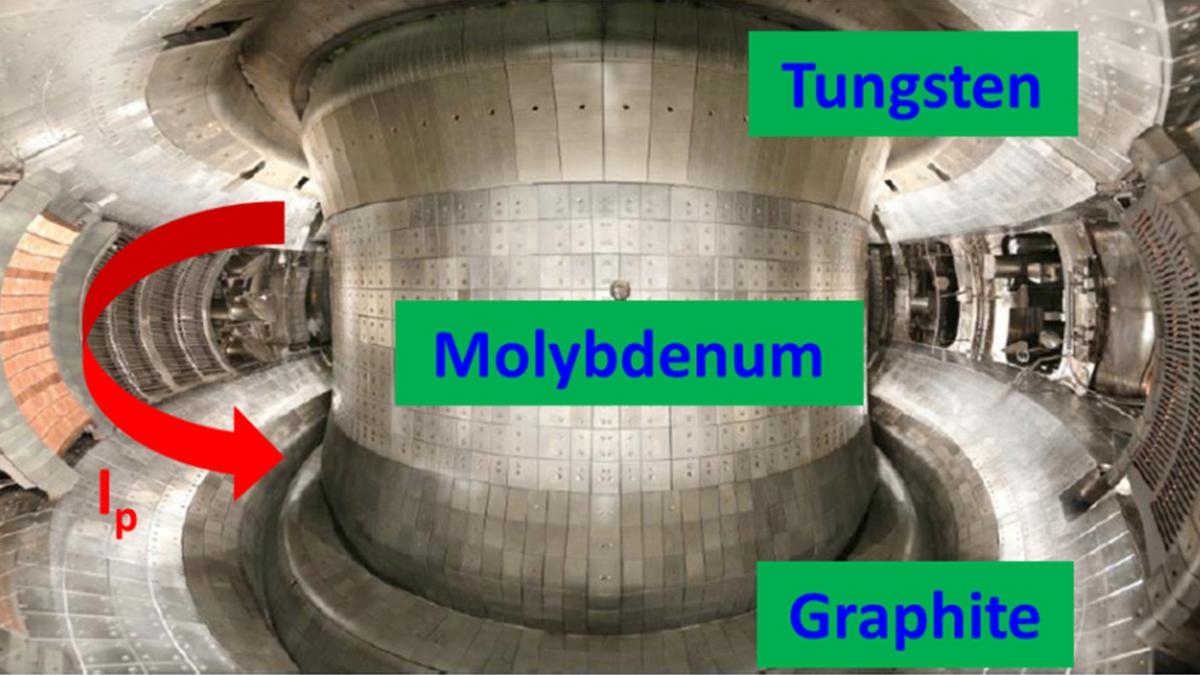
In a significant advancement for fusion energy research, China's Experimental Advanced Superconducting Tokamak (EAST) has shattered a long-standing barrier in plasma density, bringing the world closer to a clean and virtually limitless power source. On the first day of the new year, scientists at the Institute of Plasma Physics, Chinese Academy of Sciences, announced a remarkable feat: they had successfully sustained a plasma density 65% higher than the previously observed limit.
This achievement addresses a critical issue that has plagued fusion reactors for decades. The donut-shaped tokamak devices, designed to confine the ultra-hot plasma, faced a density threshold, surpassing which the plasma would become unstable and collapse. However, the Chinese team's innovative approach has seemingly overcome this hurdle, marking a significant milestone in the quest for controlled nuclear fusion.
The implications of this breakthrough are far-reaching, especially for the International Thermonuclear Experimental Reactor (ITER) project, a global collaboration involving India and several other nations. ITER aims to demonstrate the feasibility of fusion power on a large scale. By achieving higher plasma densities, the EAST experiment has provided valuable insights into managing and optimizing these extreme conditions, which are essential for ITER's success.
As the world eagerly awaits further developments, the fusion community is abuzz with excitement. This latest advancement not only brings us a step closer to harnessing the power of the stars but also underscores China's growing prowess in fusion research, potentially shaping the future of energy production and global collaboration in this field. The journey towards sustainable fusion energy continues, with each breakthrough bringing us closer to a revolutionary new era.
Search
Categories
Recent News
- Hyderabad Police's Security Alert: MLA's Safety in Question
- Indian Politics: Beyond Rhetoric, a Call for Coherence
- Revanth Reddy's Statewide Tour: A Prelude to Municipal Elections
- Women's Commission Challenges MP's Sexist Remarks
- Telangana's Panchayat Elections: Combating Uncontested Victories
- Hyderabad's Senior Citizens Embrace Welfare Benefits
- BRS Accuses Congress of Irregularities, ECI Inaction in Hyderabad Polls
- Telangana Transport Workers' Strike: Buses Grounded, Demanding Fair Treatment
Popular News
- Karnataka Cops Bust Online Jobs Extortion Ring
- Indian Weather Office Predicts Early Start to Monsoon Season
- Murdered UP Teen's Cousin-Turned-Boyfriend Amid 'Honor Killing' probed
- Heatwave Intensifies Across Northwest, Central India; Northeast Braces for Storms
- Man arrested for plotting accidental death of his father