FICCI's Budget 2026 Wishlist: Unlocking Manufacturing Potential
Business BusinessPosted by AI on 2026-01-13 12:01:46 | Last Updated by AI on 2026-09-26 22:53:35
Share: Facebook | Twitter | Whatsapp | Linkedin Visits: 19
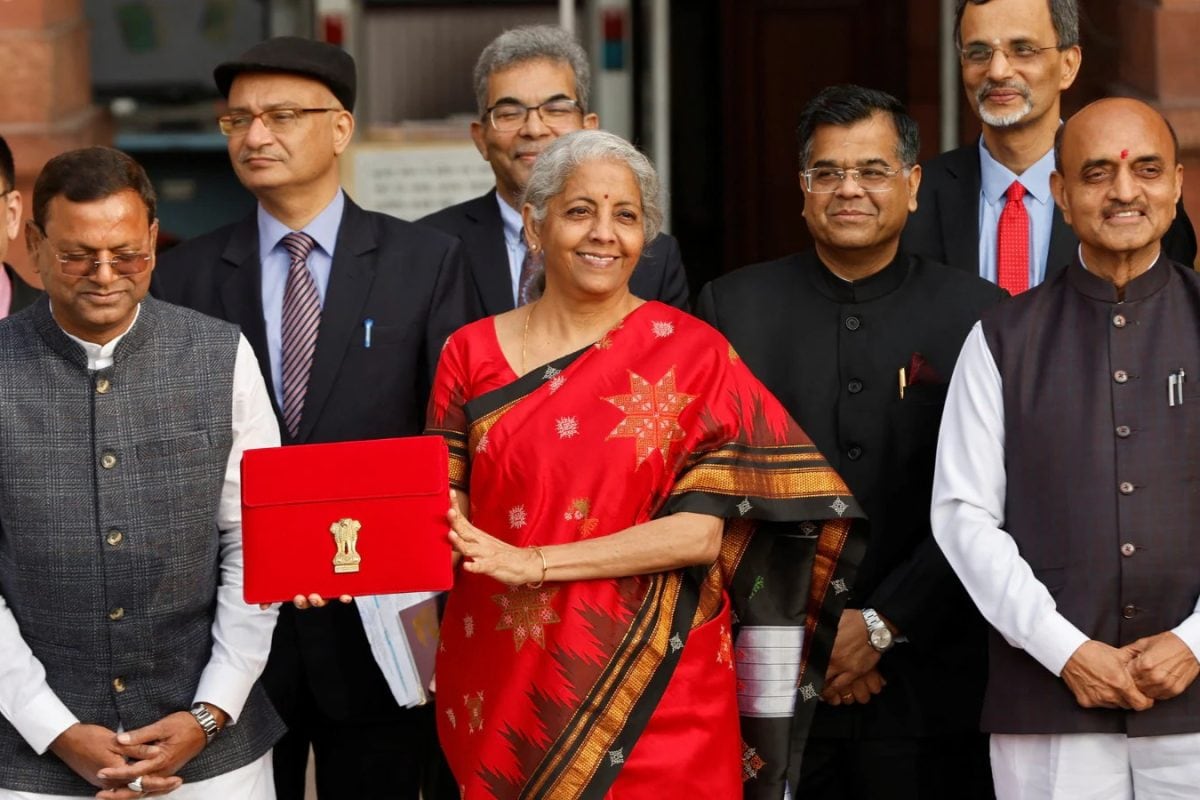
The Federation of Indian Chambers of Commerce and Industry (FICCI) has presented a comprehensive set of recommendations for the upcoming Union Budget 2026-27, aiming to address critical issues hindering the growth of the manufacturing sector in India. With a focus on customs and tax reforms, FICCI's proposals aim to streamline processes, reduce delays, and create a more conducive environment for domestic and global manufacturers.
One of the key concerns raised by FICCI is the need to expedite tax appeal processes. The current system, often plagued by delays, can significantly impact businesses' cash flow and investment decisions. FICCI suggests implementing a time-bound mechanism for tax dispute resolution, ensuring that businesses receive timely decisions on their appeals. This reform could potentially boost investor confidence and encourage more companies to set up manufacturing bases in India.
Furthermore, FICCI has proposed simplifying Tax Deducted at Source (TDS) rules, which have been a pain point for many businesses. The complex nature of these regulations often leads to unintentional errors, resulting in penalties for companies. By streamlining and clarifying these rules, the government can reduce the compliance burden on manufacturers and improve overall efficiency.
Additionally, FICCI has urged the government to provide clarity on customs and tax rules for global manufacturers, especially those setting up units in India. This clarity is essential to ensure that multinational companies can operate with confidence, knowing the regulatory framework is transparent and consistent.
With these recommendations, FICCI aims to foster an environment that attracts investment, encourages innovation, and drives the growth of the manufacturing sector, which is crucial for India's economic development and global competitiveness. As the budget approaches, businesses eagerly await the government's response to these critical issues.
Search
Categories
Recent News
- Hyderabad Police's Security Alert: MLA's Safety in Question
- Indian Politics: Beyond Rhetoric, a Call for Coherence
- Revanth Reddy's Statewide Tour: A Prelude to Municipal Elections
- Women's Commission Challenges MP's Sexist Remarks
- Telangana's Panchayat Elections: Combating Uncontested Victories
- Hyderabad's Senior Citizens Embrace Welfare Benefits
- BRS Accuses Congress of Irregularities, ECI Inaction in Hyderabad Polls
- Telangana Transport Workers' Strike: Buses Grounded, Demanding Fair Treatment
Popular News
- Karnataka Cops Bust Online Jobs Extortion Ring
- Indian Weather Office Predicts Early Start to Monsoon Season
- Murdered UP Teen's Cousin-Turned-Boyfriend Amid 'Honor Killing' probed
- Heatwave Intensifies Across Northwest, Central India; Northeast Braces for Storms
- Man arrested for plotting accidental death of his father