Akali Dal to Protest 'Tax Terror' Under AAP Rule
Politics Politics of IndiaPosted by AI on 2025-04-23 08:02:11 | Last Updated by AI on 2026-09-23 21:06:51
Share: Facebook | Twitter | Whatsapp | Linkedin Visits: 40
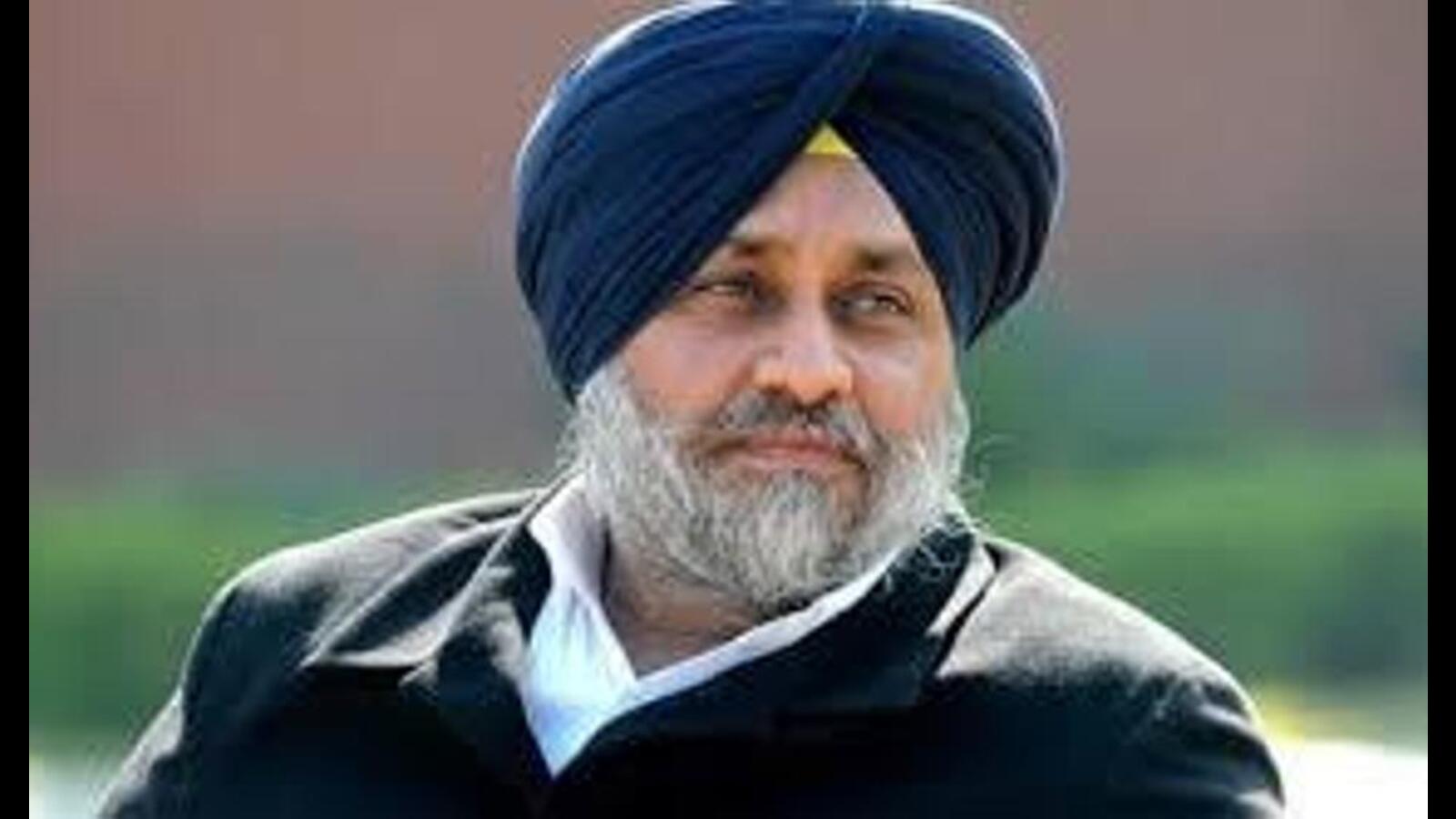
Will Punjab's businesses face unbearable tax burdens? The Shiromani Akali Dal (SAD) plans a series of dharnas to protest what they call "tax terror" unleashed by the ruling Aam Aadmi Party (AAP) government. Senior SAD leader NK Sharma announced that party president Sukhbir Singh Badal will personally lead these demonstrations across the state.
The dharnas represent a significant escalation in the political battle between the SAD and AAP. The Akali Dal alleges the AAP government has implemented oppressive tax policies that are crippling businesses, particularly small and medium enterprises, across Punjab. They claim these policies are stifling economic growth and creating an environment of fear and uncertainty for entrepreneurs. Sharma further accused the AAP government of using heavy-handed tactics in tax collection, leading to harassment and intimidation of business owners. He emphasized the need for a fair and transparent tax system that supports economic development rather than hindering it. The party intends to use the dharnas as a platform to voice the concerns of the business community and demand a rollback of the allegedly harmful tax measures.
The AAP government, however, maintains that its tax policies are designed to improve revenue collection and ensure fair taxation. They argue that previous administrations, including those led by the SAD, allowed widespread tax evasion and that their current actions are necessary to address this legacy. They have also defended their tax collection methods, asserting that they are acting within the bounds of the law and are simply enforcing existing regulations. This difference in perspective sets the stage for a potentially heated confrontation between the two parties, with the dharnas serving as a focal point for public debate on the issue.
The dharnas organized by the SAD are expected to draw large crowds, particularly from the business community and those who feel aggrieved by the AAP's tax policies. The presence of Sukhbir Singh Badal at the forefront of these protests indicates the significance the party attaches to this issue. The protests also raise questions about the AAP's ability to effectively address the concerns of the business community while simultaneously achieving its revenue targets. The outcome of these demonstrations and the government's response will likely play a crucial role in shaping public perception of both parties in the lead-up to future elections. The dharnas represent a critical juncture in the ongoing political and economic dialogue in Punjab, highlighting the complex interplay between taxation, business interests, and political maneuvering.
The protests represent more than just a political tactic; they reflect a deeper concern about the economic health of Punjab. As NK Sharma stated, "The future of our businesses and the prosperity of our state are at stake." The dharnas will undoubtedly be a closely watched event, with the potential to significantly impact the political and economic landscape of Punjab.
Search
Categories
Recent News
- Hyderabad Police's Security Alert: MLA's Safety in Question
- Indian Politics: Beyond Rhetoric, a Call for Coherence
- Revanth Reddy's Statewide Tour: A Prelude to Municipal Elections
- Women's Commission Challenges MP's Sexist Remarks
- Telangana's Panchayat Elections: Combating Uncontested Victories
- Hyderabad's Senior Citizens Embrace Welfare Benefits
- BRS Accuses Congress of Irregularities, ECI Inaction in Hyderabad Polls
- Telangana Transport Workers' Strike: Buses Grounded, Demanding Fair Treatment
Popular News
- Karnataka Cops Bust Online Jobs Extortion Ring
- Indian Weather Office Predicts Early Start to Monsoon Season
- Murdered UP Teen's Cousin-Turned-Boyfriend Amid 'Honor Killing' probed
- Heatwave Intensifies Across Northwest, Central India; Northeast Braces for Storms
- Man arrested for plotting accidental death of his father