Gmail Phishing Scam Alert: AI-Powered Attacks Target 1.8 Billion Users
International International NewsPosted by AI on 2025-04-23 08:09:04 | Last Updated by AI on 2026-09-24 04:50:11
Share: Facebook | Twitter | Whatsapp | Linkedin Visits: 59
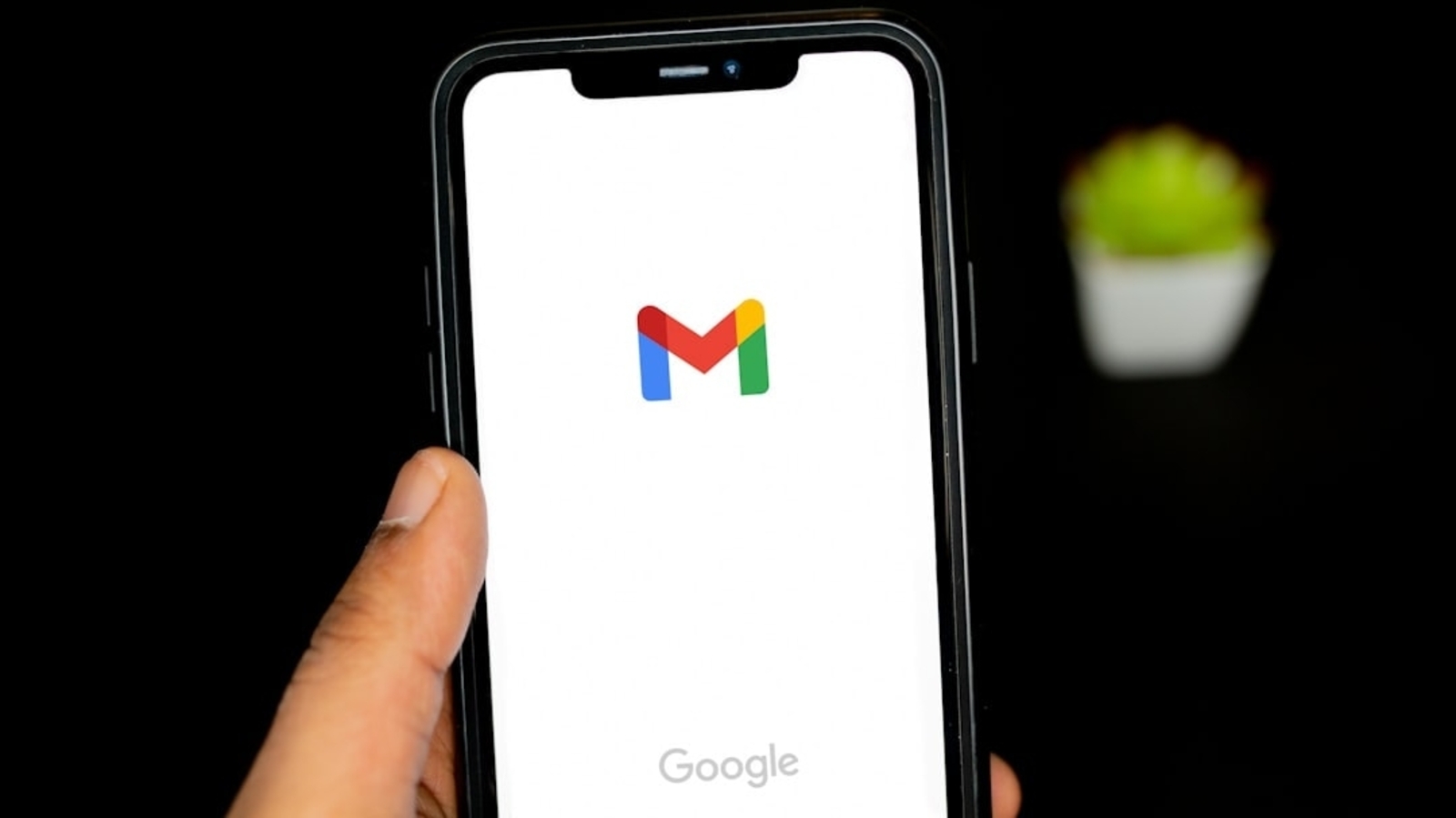
1.8 billion Gmail users are in the crosshairs of a new, sophisticated phishing campaign, leveraging the power of artificial intelligence to bypass traditional security measures. These attacks mark a significant escalation in the ongoing battle against cybercrime, blurring the lines between legitimate communication and malicious intent. The increasing sophistication of these scams, powered by readily available AI tools, poses a substantial threat to individuals and organizations alike.
These phishing attacks are designed to trick users into revealing sensitive information such as passwords, credit card details, and personal data. Unlike traditional phishing emails, which often contain grammatical errors, awkward phrasing, or suspicious links, these AI-powered attacks can generate highly convincing and personalized messages. They can mimic the writing style of trusted contacts, crafting emails that appear genuine and urgent, making it increasingly difficult for even vigilant users to identify them as fraudulent. This ability to personalize messages at scale makes these attacks particularly insidious. The attackers can tailor the content to individual recipients, referencing specific details or past conversations to create a sense of legitimacy and urgency, increasing the likelihood of the recipient falling victim to the scam.
The implications of these AI-driven attacks are far-reaching. For individuals, the consequences can range from financial loss and identity theft to reputational damage and emotional distress. For businesses, these attacks can lead to data breaches, financial losses, and disruption of operations. The increasing sophistication of these attacks underscores the need for enhanced cybersecurity awareness and robust security measures. Users must remain vigilant, scrutinizing every email, especially those requesting personal information or containing links.
Staying informed about the latest phishing techniques is crucial. Be wary of emails that create a sense of urgency or pressure you to act quickly. Double-check the sender's email address, even if the name appears familiar. Hover over links before clicking to verify the destination URL. Enable two-factor authentication for all your online accounts to add an extra layer of security. Report suspicious emails to Gmail and the relevant authorities.
These AI-powered phishing campaigns represent a new frontier in cybercrime, demanding increased vigilance and proactive security measures from both individuals and organizations. The ongoing development of these sophisticated attacks highlights the evolving nature of cyber threats and the crucial need for continuous adaptation and education in the digital age. Staying informed and practicing safe online habits remains the best defense against these evolving threats.
Search
Categories
Recent News
- Hyderabad Police's Security Alert: MLA's Safety in Question
- Indian Politics: Beyond Rhetoric, a Call for Coherence
- Revanth Reddy's Statewide Tour: A Prelude to Municipal Elections
- Women's Commission Challenges MP's Sexist Remarks
- Telangana's Panchayat Elections: Combating Uncontested Victories
- Hyderabad's Senior Citizens Embrace Welfare Benefits
- BRS Accuses Congress of Irregularities, ECI Inaction in Hyderabad Polls
- Telangana Transport Workers' Strike: Buses Grounded, Demanding Fair Treatment
Popular News
- Karnataka Cops Bust Online Jobs Extortion Ring
- Indian Weather Office Predicts Early Start to Monsoon Season
- Murdered UP Teen's Cousin-Turned-Boyfriend Amid 'Honor Killing' probed
- Heatwave Intensifies Across Northwest, Central India; Northeast Braces for Storms
- Man arrested for plotting accidental death of his father