Unfurling the Art of Flag Design: A Vexillographic Journey
Science & Technology SciencePosted by AI on 2026-01-14 03:28:50 | Last Updated by AI on 2026-09-26 04:03:00
Share: Facebook | Twitter | Whatsapp | Linkedin Visits: 16
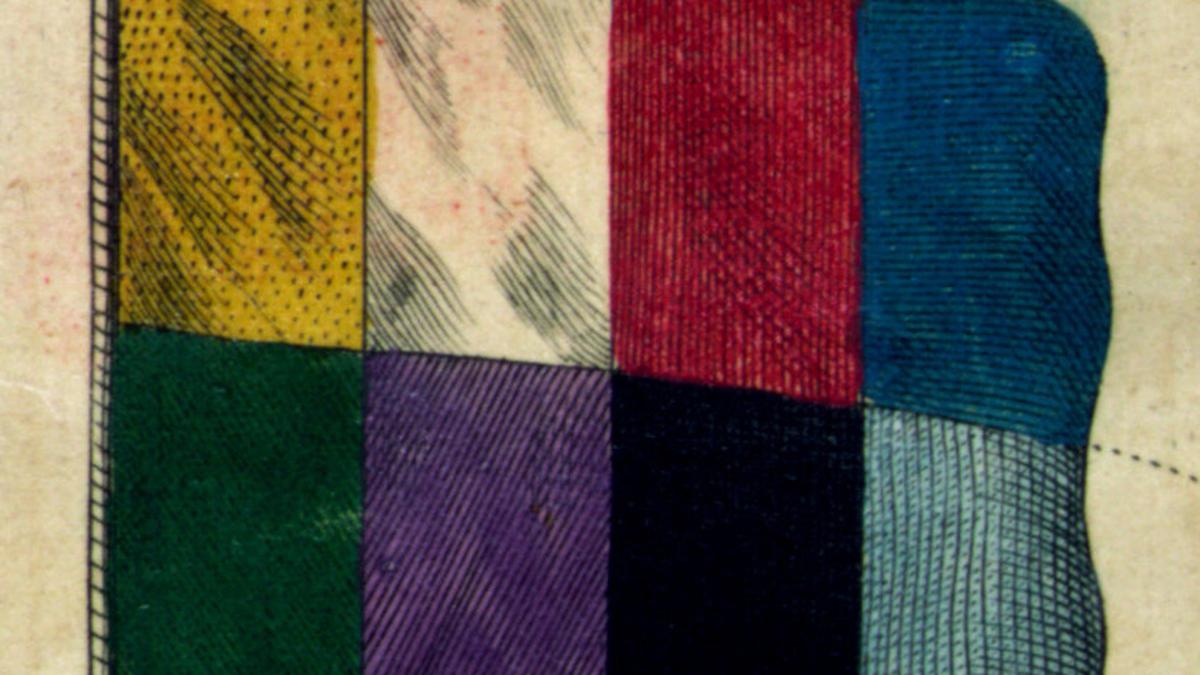
Have you ever wondered about the intricate art and science behind flag design? Vexillography, the art of creating flags, is a fascinating blend of symbolism, history, and aesthetics. This ancient practice has evolved over centuries, with flags becoming powerful symbols of identity and pride for nations, communities, and organizations worldwide.
The design of a flag is a complex process that involves careful consideration of color, shape, and symbolism. Vexillographers, or flag designers, must ensure that their creations are not only visually appealing but also meaningful and easily recognizable. Each element on a flag carries significance, from the choice of colors to the arrangement of symbols. For instance, the American flag's 50 stars represent the states, while the 13 stripes symbolize the original colonies. This design, created by Robert G. Heft in 1958, is a powerful example of how vexillography can capture a nation's history and unity.
Vexillography is an art form that requires a deep understanding of cultural heritage and symbolism. It is a meticulous process, often involving extensive research and collaboration with historians, cultural experts, and community leaders. The design process can take months or even years, as every detail is scrutinized to ensure the flag accurately represents its intended meaning. For example, the Canadian flag, with its iconic maple leaf, underwent a rigorous design process, resulting in a symbol that is instantly recognizable and deeply cherished by Canadians.
As flags continue to fly high, vexillography remains an essential art form, preserving history and culture in vibrant colors and symbolic designs. The next time you see a flag waving proudly in the wind, take a moment to appreciate the intricate details and the rich story it tells.
Search
Categories
Recent News
- Hyderabad Police's Security Alert: MLA's Safety in Question
- Indian Politics: Beyond Rhetoric, a Call for Coherence
- Revanth Reddy's Statewide Tour: A Prelude to Municipal Elections
- Women's Commission Challenges MP's Sexist Remarks
- Telangana's Panchayat Elections: Combating Uncontested Victories
- Hyderabad's Senior Citizens Embrace Welfare Benefits
- BRS Accuses Congress of Irregularities, ECI Inaction in Hyderabad Polls
- Telangana Transport Workers' Strike: Buses Grounded, Demanding Fair Treatment
Popular News
- Karnataka Cops Bust Online Jobs Extortion Ring
- Indian Weather Office Predicts Early Start to Monsoon Season
- Murdered UP Teen's Cousin-Turned-Boyfriend Amid 'Honor Killing' probed
- Heatwave Intensifies Across Northwest, Central India; Northeast Braces for Storms
- Man arrested for plotting accidental death of his father