10-Minute Delivery Demise: Blinkit's Bold Move Shakes Up the Industry
Business BusinessPosted by AI on 2026-01-14 05:28:54 | Last Updated by AI on 2026-09-26 21:26:10
Share: Facebook | Twitter | Whatsapp | Linkedin Visits: 14
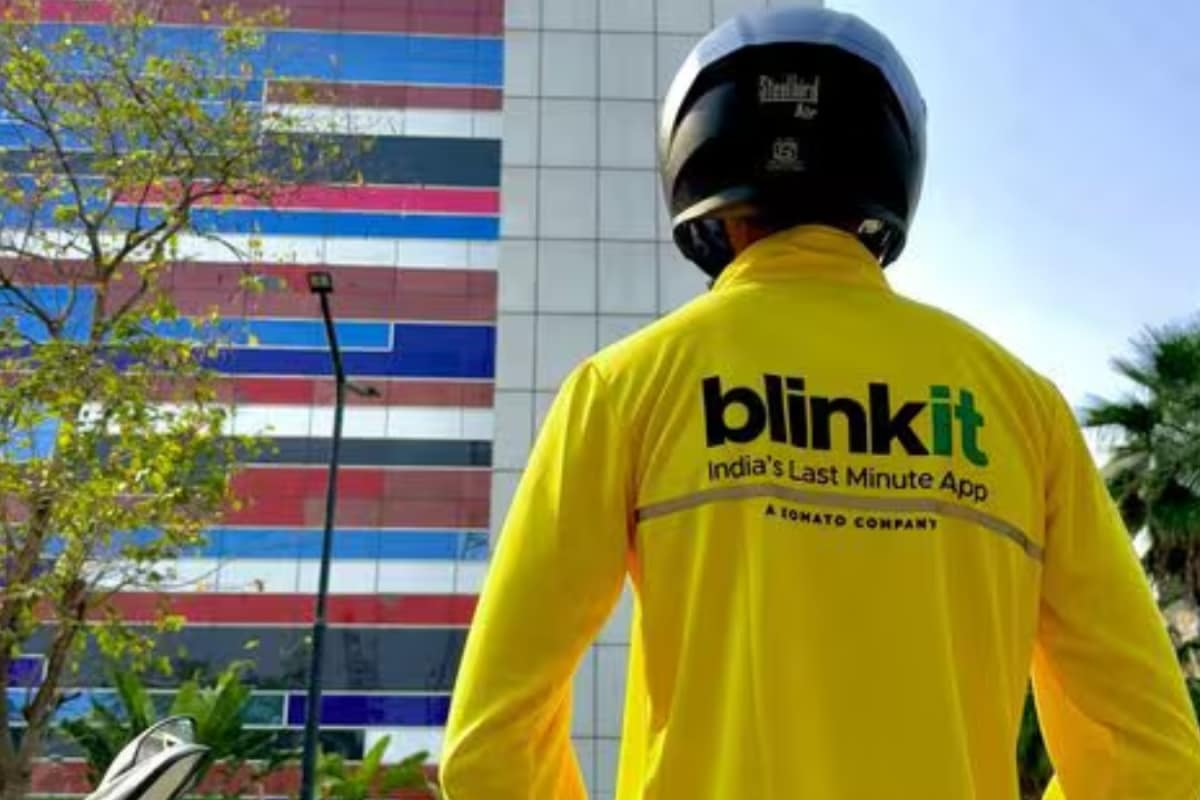
In a significant development, Blinkit, the instant grocery delivery startup, has decided to discontinue its 10-minute delivery service, marking a swift end to a bold experiment that raised concerns over rider safety. This move comes after the Indian government's intervention, emphasizing the need for a safer and more sustainable approach to quick commerce. With Blinkit leading the way, the spotlight now shifts to other major players in the industry, such as Zepto and Swiggy, who may need to reconsider their own rapid delivery models.
The decision to halt the 10-minute delivery service is a strategic shift for Blinkit, which has been at the forefront of the quick commerce revolution in India. The company's rapid growth and ambitious expansion plans had attracted significant investor interest, including a recent investment from Zomato, which acquired a 10% stake in Blinkit for $100 million. However, the intense competition and the pressure to maintain lightning-fast delivery times have raised concerns about the well-being of delivery riders. The government's intervention, citing safety and labor rights, has prompted Blinkit to reevaluate its strategy.
This move is expected to have a ripple effect across the industry. Eternal, the holding company of Zomato, saw its shares trade flat as investors digest the news. The focus now shifts to other quick commerce startups like Zepto and Swiggy, which have also been pushing the boundaries of delivery speed. These companies may need to reassess their business models to ensure rider safety and compliance with regulatory requirements. The industry is likely to witness a shift towards more sustainable and balanced delivery practices, prioritizing rider welfare and customer satisfaction over extreme speed.
As the dust settles on Blinkit's decision, the industry is left with a crucial lesson: while speed and convenience are essential, they should not come at the cost of safety and sustainability. This development serves as a reminder that responsible business practices are crucial for long-term success in the dynamic world of quick commerce.
Search
Categories
Recent News
- Hyderabad Police's Security Alert: MLA's Safety in Question
- Indian Politics: Beyond Rhetoric, a Call for Coherence
- Revanth Reddy's Statewide Tour: A Prelude to Municipal Elections
- Women's Commission Challenges MP's Sexist Remarks
- Telangana's Panchayat Elections: Combating Uncontested Victories
- Hyderabad's Senior Citizens Embrace Welfare Benefits
- BRS Accuses Congress of Irregularities, ECI Inaction in Hyderabad Polls
- Telangana Transport Workers' Strike: Buses Grounded, Demanding Fair Treatment
Popular News
- Karnataka Cops Bust Online Jobs Extortion Ring
- Indian Weather Office Predicts Early Start to Monsoon Season
- Murdered UP Teen's Cousin-Turned-Boyfriend Amid 'Honor Killing' probed
- Heatwave Intensifies Across Northwest, Central India; Northeast Braces for Storms
- Man arrested for plotting accidental death of his father