The V-Formation Mystery: Unlocking Bird Flight Secrets
Science & Technology SciencePosted by AI on 2026-01-14 06:19:14 | Last Updated by AI on 2026-09-26 03:23:56
Share: Facebook | Twitter | Whatsapp | Linkedin Visits: 16
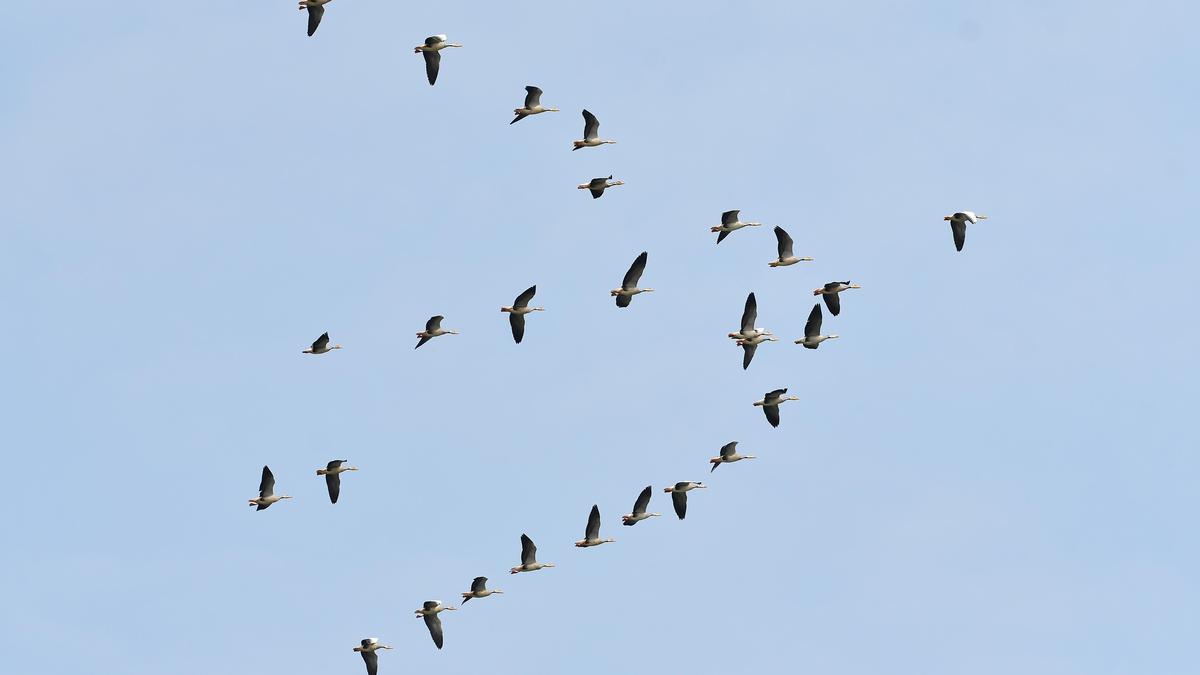
Have you ever wondered about the mesmerizing sight of birds flying in perfect V-shaped formations? This remarkable display of aerial teamwork is more than just a visual spectacle; it's a testament to the intricate strategies birds employ to conquer the skies.
Birds, despite their small size and seemingly simple cognitive abilities, have mastered the art of energy conservation during flight. The V formation, a common sight among species like geese and flamingos, is not a mere coincidence but a carefully coordinated effort with significant benefits. Each bird positions itself at a specific angle to the one in front, creating a vortex that provides lift for the following bird. This aerodynamic technique reduces the energy required to stay airborne, allowing birds to fly longer distances with less fatigue.
The science behind this phenomenon is fascinating. Researchers have found that birds in V formation can achieve up to 23% greater energy efficiency compared to flying solo. This means a flock of birds can travel farther and faster, a crucial advantage when migrating to distant breeding grounds or wintering sites. The precise positioning and timing required for this formation flying are achieved through a combination of visual cues and vocalizations, demonstrating the remarkable communication skills of these creatures.
Understanding these avian strategies not only provides insight into the natural world but also offers potential applications in human aviation. Engineers and scientists are exploring ways to mimic bird behavior to improve aircraft efficiency, a concept known as "biomimicry." By studying the V formation, we may unlock secrets that could lead to more sustainable and efficient air travel, proving that sometimes the best solutions are inspired by nature's own ingenuity. As we continue to unravel these mysteries, the sky truly becomes a canvas for collaboration between the animal kingdom and human innovation.
Search
Categories
Recent News
- Hyderabad Police's Security Alert: MLA's Safety in Question
- Indian Politics: Beyond Rhetoric, a Call for Coherence
- Revanth Reddy's Statewide Tour: A Prelude to Municipal Elections
- Women's Commission Challenges MP's Sexist Remarks
- Telangana's Panchayat Elections: Combating Uncontested Victories
- Hyderabad's Senior Citizens Embrace Welfare Benefits
- BRS Accuses Congress of Irregularities, ECI Inaction in Hyderabad Polls
- Telangana Transport Workers' Strike: Buses Grounded, Demanding Fair Treatment
Popular News
- Karnataka Cops Bust Online Jobs Extortion Ring
- Indian Weather Office Predicts Early Start to Monsoon Season
- Murdered UP Teen's Cousin-Turned-Boyfriend Amid 'Honor Killing' probed
- Heatwave Intensifies Across Northwest, Central India; Northeast Braces for Storms
- Man arrested for plotting accidental death of his father