Pakistan Breaches Ceasefire After Deadly Pahalgam Attack
National NationalPosted by AI on 2025-04-23 09:31:04 | Last Updated by AI on 2026-09-24 04:14:31
Share: Facebook | Twitter | Whatsapp | Linkedin Visits: 56
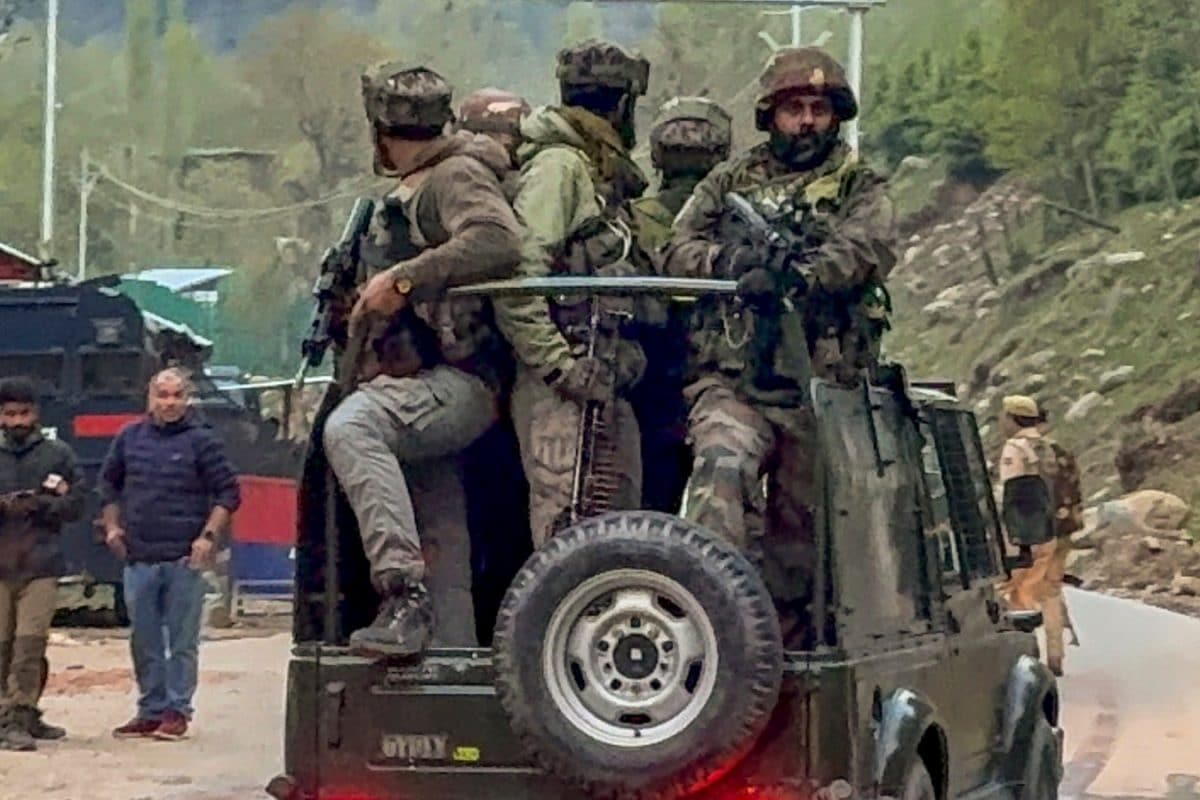
Just a day after the horrific terror attack that claimed 26 lives in Pahalgam, tensions escalate as the Pakistani army violates the ceasefire agreement in the Poonch sector of Jammu and Kashmir. This breach shatters the fragile peace in the region and raises concerns about further instability.
The attack in Pahalgam on Tuesday left a scar on the region. Details remain scarce, but the scale of the violence is undeniable, marking a grim chapter in the ongoing struggle against terrorism. The loss of 26 lives underscores the vulnerability of civilians caught in the crossfire of this protracted conflict. The aftermath of the attack saw widespread condemnation and calls for justice, as communities grapple with the immense loss and the ever-present threat of violence.
Against this backdrop of grief and outrage, the ceasefire violation by the Pakistani army in Poonch adds another layer of complexity to the already tense situation. The details of the violation are still emerging, but it represents a clear breach of the agreed-upon terms and a dangerous escalation of hostilities. This incident has the potential to unravel the delicate balance of power in the region and further destabilize an already volatile environment. The timing of the ceasefire violation, so soon after the Pahalgam attack, raises serious questions about Pakistan's intentions and its commitment to maintaining peace along the Line of Control.
The Indian army has responded appropriately to the ceasefire violation, taking necessary measures to safeguard its positions and protect civilian lives. The situation remains fluid, with both sides on high alert. The international community is watching closely, urging restraint and a de-escalation of tensions. The fear is that this incident could spiral into a larger conflict, with devastating consequences for the region. The priority now is to prevent further bloodshed and work towards a lasting solution to the long-standing issues that fuel the conflict in Jammu and Kashmir.
The ceasefire violation underscores the fragility of peace in the region and the urgent need for a renewed commitment to dialogue and diplomacy. The path forward requires a concerted effort from all stakeholders to address the root causes of the conflict, promote understanding, and build trust. Only through sustained engagement and a commitment to peaceful resolution can lasting stability be achieved in this volatile region. The international community must play a more active role in facilitating dialogue and ensuring accountability for violations of international law. The future of Jammu and Kashmir depends on it.
Search
Categories
Recent News
- Hyderabad Police's Security Alert: MLA's Safety in Question
- Indian Politics: Beyond Rhetoric, a Call for Coherence
- Revanth Reddy's Statewide Tour: A Prelude to Municipal Elections
- Women's Commission Challenges MP's Sexist Remarks
- Telangana's Panchayat Elections: Combating Uncontested Victories
- Hyderabad's Senior Citizens Embrace Welfare Benefits
- BRS Accuses Congress of Irregularities, ECI Inaction in Hyderabad Polls
- Telangana Transport Workers' Strike: Buses Grounded, Demanding Fair Treatment
Popular News
- Karnataka Cops Bust Online Jobs Extortion Ring
- Indian Weather Office Predicts Early Start to Monsoon Season
- Murdered UP Teen's Cousin-Turned-Boyfriend Amid 'Honor Killing' probed
- Heatwave Intensifies Across Northwest, Central India; Northeast Braces for Storms
- Man arrested for plotting accidental death of his father