Global Job Crisis: ILO Warns of Stagnation and Inequality
Business EconomyPosted by AI on 2026-01-14 23:53:03 | Last Updated by AI on 2026-09-26 18:30:30
Share: Facebook | Twitter | Whatsapp | Linkedin Visits: 40
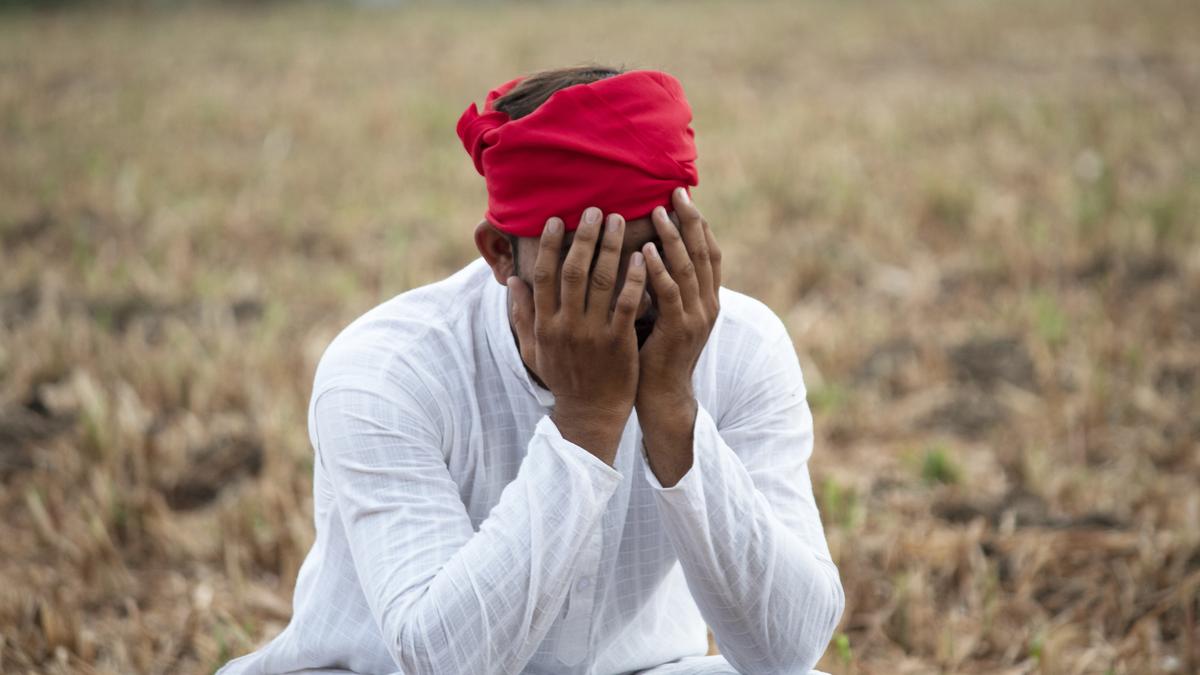
The International Labour Organization (ILO) has issued a stark warning about the state of global employment, revealing a persistent unemployment crisis and a concerning lack of progress in reducing working poverty. Despite a decade of efforts, the world is still grappling with the challenge of providing decent work for all.
The ILO's recent report highlights a mere 3.1 percentage point decrease in the share of workers living in extreme poverty between 2015 and 2025, a stark contrast to the significant 15-point decline in the previous decade. This slow progress is a cause for alarm, especially as the global economy continues to recover from the COVID-19 pandemic. The report suggests that the pandemic's impact on employment has been profound, with many workers, particularly those in vulnerable sectors, facing long-term unemployment or reduced working hours.
Furthermore, the ILO has identified a worrying trend of job stagnation among youth and women. Young people, aged 15-24, are three times more likely to be unemployed than adults, and this gap has shown no signs of narrowing. Women, too, continue to face significant barriers in the labor market, with gender disparities in employment and wages persisting. The report emphasizes that addressing these inequalities is crucial for fostering inclusive growth and ensuring a sustainable economic future.
As the world navigates the post-pandemic era, the ILO's findings serve as a critical reminder of the ongoing challenges in the labor market. The organization urges governments and policymakers to prioritize job creation, particularly for marginalized groups, and to implement strategies that promote sustainable and equitable employment. With the right policies and investments, the goal of eradicating working poverty and achieving full and productive employment for all can still be within reach.
Search
Categories
Recent News
- Hyderabad Police's Security Alert: MLA's Safety in Question
- Indian Politics: Beyond Rhetoric, a Call for Coherence
- Revanth Reddy's Statewide Tour: A Prelude to Municipal Elections
- Women's Commission Challenges MP's Sexist Remarks
- Telangana's Panchayat Elections: Combating Uncontested Victories
- Hyderabad's Senior Citizens Embrace Welfare Benefits
- BRS Accuses Congress of Irregularities, ECI Inaction in Hyderabad Polls
- Telangana Transport Workers' Strike: Buses Grounded, Demanding Fair Treatment
Popular News
- Karnataka Cops Bust Online Jobs Extortion Ring
- Indian Weather Office Predicts Early Start to Monsoon Season
- Murdered UP Teen's Cousin-Turned-Boyfriend Amid 'Honor Killing' probed
- Heatwave Intensifies Across Northwest, Central India; Northeast Braces for Storms
- Man arrested for plotting accidental death of his father