Maharashtra Elections Halt India's Financial Hub
Business BusinessPosted by AI on 2026-01-15 03:23:24 | Last Updated by AI on 2026-09-26 18:30:13
Share: Facebook | Twitter | Whatsapp | Linkedin Visits: 16
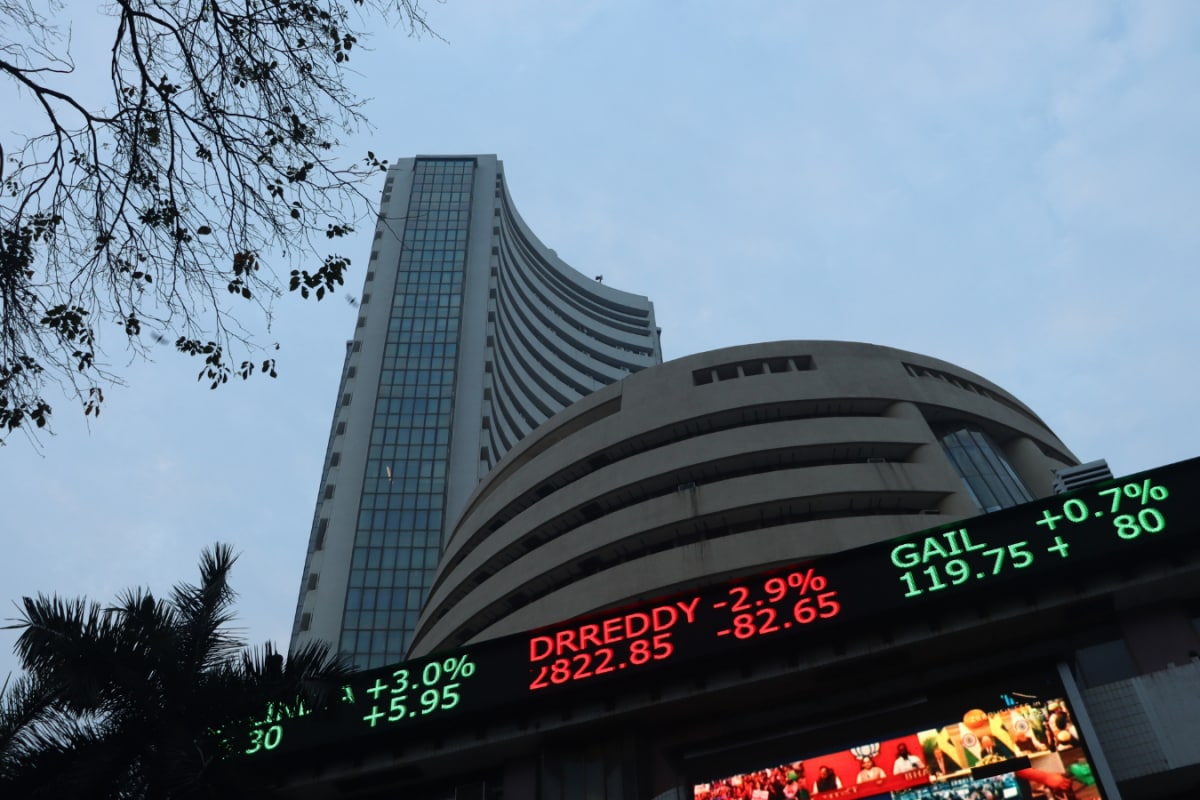
India's bustling financial capital, Mumbai, witnessed an unusual quietude on Thursday as the city's stock exchanges remained closed for the day. The reason? Maharashtra's municipal corporation elections, a democratic exercise that temporarily paused the nation's economic heartbeat. This closure, though temporary, has significant implications for the country's financial landscape.
The Bombay Stock Exchange (BSE) and the National Stock Exchange (NSE), both headquartered in Mumbai, are pivotal to India's economy. With a combined market capitalization of over $3 trillion, these exchanges are the lifeblood of the country's financial system. The closure, a statutory requirement during elections, is a reminder of the delicate balance between democracy and economic activities. As traders and investors paused their activities, the focus shifted to the polling booths across Maharashtra.
This election day closure is a routine yet crucial aspect of India's democratic process. It ensures that the stock market, a sensitive indicator of economic health, remains unaffected by any potential volatility arising from the election outcome. The halt in trading allows for a fair and uninterrupted electoral process, free from external influences. Meanwhile, commodity trading, a vital part of India's financial ecosystem, is set to commence at 5 PM, marking the gradual resumption of economic activities.
As Maharashtra decides its local leadership, the nation's financial community awaits the resumption of trading on Friday. The election results will not just shape local governance but also influence the broader economic sentiment. This temporary hiatus serves as a reminder that democracy and the economy are intertwined, and their harmonious coexistence is vital for a thriving nation.
Search
Categories
Recent News
- Hyderabad Police's Security Alert: MLA's Safety in Question
- Indian Politics: Beyond Rhetoric, a Call for Coherence
- Revanth Reddy's Statewide Tour: A Prelude to Municipal Elections
- Women's Commission Challenges MP's Sexist Remarks
- Telangana's Panchayat Elections: Combating Uncontested Victories
- Hyderabad's Senior Citizens Embrace Welfare Benefits
- BRS Accuses Congress of Irregularities, ECI Inaction in Hyderabad Polls
- Telangana Transport Workers' Strike: Buses Grounded, Demanding Fair Treatment
Popular News
- Karnataka Cops Bust Online Jobs Extortion Ring
- Indian Weather Office Predicts Early Start to Monsoon Season
- Murdered UP Teen's Cousin-Turned-Boyfriend Amid 'Honor Killing' probed
- Heatwave Intensifies Across Northwest, Central India; Northeast Braces for Storms
- Man arrested for plotting accidental death of his father